Crust & Coal
Gas pizza ovens: the whole category, model by model
Turn a dial, wait twenty minutes, cook. Gas is the fuel that makes a pizza oven a weeknight appliance instead of a weekend project — and it is where nearly every first purchase should start.
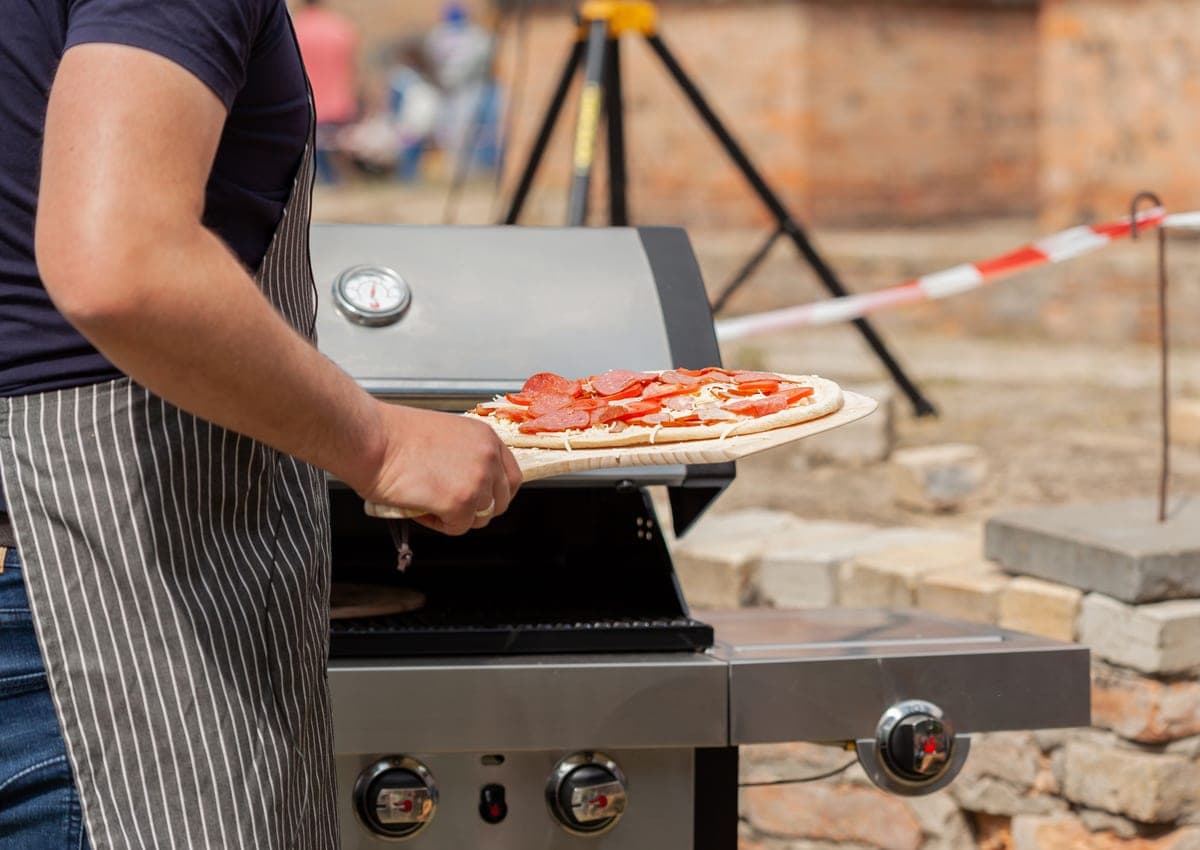
A gas pizza oven is a steel box with a burner and a stone floor. That is genuinely all it is, and the reason the category exploded is that the box turned out to be enough: burn propane hard enough under a dense enough floor and you get 900 F, which is roughly 350 F hotter than a domestic oven can reach and the entire difference between a pale, bready base and a blistered one.
The practical argument for gas over wood is not flavor. It is that gas has a dial. You light it, you leave it, and twenty minutes later the oven is at temperature and stays there without you feeding it. A wood fire needs attention on exactly the schedule that stretching dough also needs attention, which is why most people who own both end up using gas on a Tuesday and wood on a Saturday.
How the category divides
There are really only three decisions, and they are all about size rather than quality. Pizza diameter sets the oven's footprint and most of its price: 12, 14, 16, 18 and 24 inch chambers all exist, and the jump that matters most is 12 to 14, because a 12 inch pizza in a 12 inch chamber has nowhere to turn.
Stone thickness is the specification nobody reads and everybody feels. The floor, not the flame, cooks the base. A 0.4 inch stone gives up its stored heat into the first pizza and then needs a pause; a 0.8 inch stone carries three or four bakes without noticeable degradation. In this category that number ranges from 0.4 to 0.8 inches — a factor of two — and it correlates with price only loosely, which makes it the best value signal available.
Burner layout is the third. A single rear burner is the cheap, common arrangement and it means you must turn the pizza. A lateral burner running along one side needs fewer turns. Two independently controlled burners let you run two temperatures at once, which is the only genuinely new capability the category has added in years.
Propane, or a gas line?
Most of these ovens ship with a 28 mBar regulator and a hose for a standard 20 lb propane cylinder. A few — notably Ooni's Koda 16, Koda 2 Pro and Koda 2 Max — are also sold in a natural-gas variant that plumbs into a house line. If you have an outdoor gas point, that variant removes the single most annoying part of ownership: running out of propane at the worst possible moment, which every owner does exactly once. Gozney's Arc line and Solo Stove's Pi Prime are propane only.
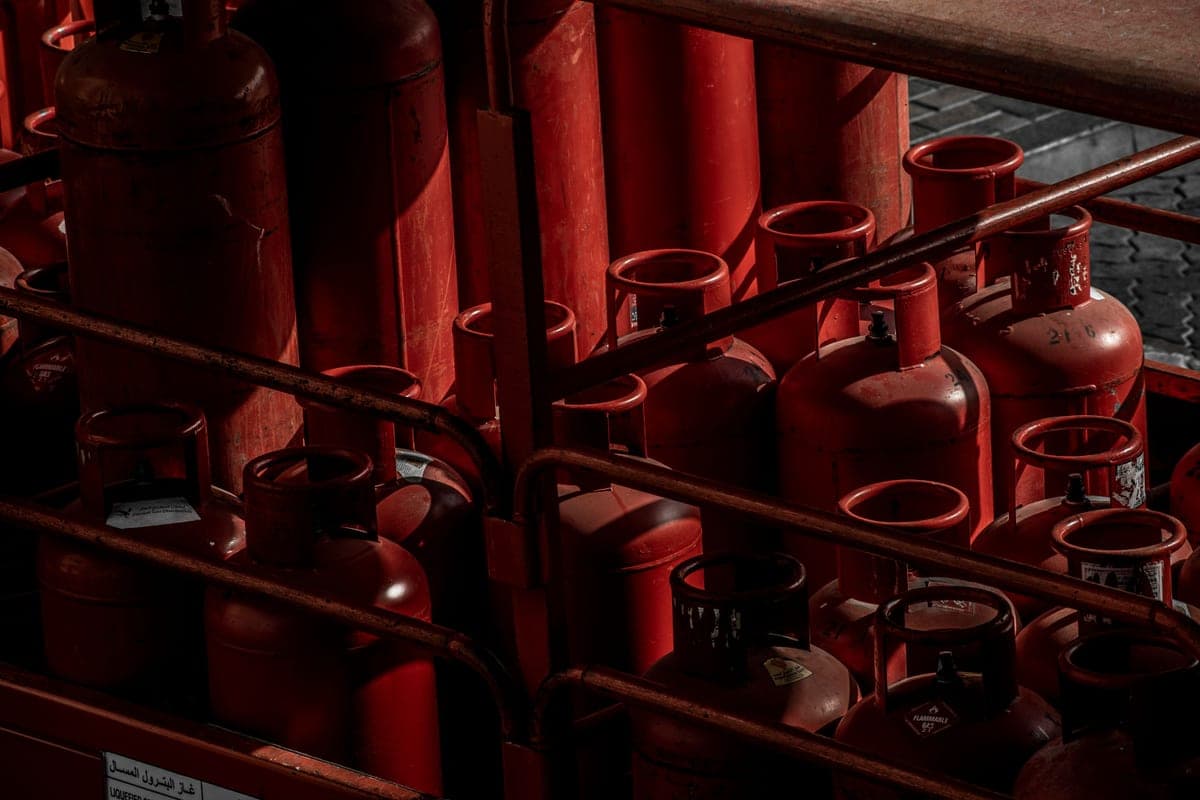
If you are on cylinders, the number worth knowing before you buy is how long one lasts. Solo Stove is the only maker in this hub that publishes both a burner rating (15,000 BTU) and a tank runtime (up to 20 hours on high), which is why our propane runtime arithmetic is built around their figures rather than around a guess.
What decides the price
Roughly, in order: chamber size, stone thickness, insulation, and then features. Insulation is the quiet one. Gozney's Arc and Arc XL are built around a dense two-layer wall, and the whole reason they cost what they do is that they hold temperature between launches rather than re-earning it with the flame. Digital gauges, Bluetooth hubs and food probes are real conveniences and they are also the part of the price you can most easily do without — an infrared thermometer tells you the same thing for a fraction of the money.
The mistake buyers make
Buying a 12 inch oven to save money, and then discovering that a 12 inch pizza is what they wanted to cook. A 12 inch chamber with a 12 inch pizza in it has no clearance, which means no room for a turning peel, which means one edge sits in front of the burner for the whole bake. That is the origin of most of the burnt-on-one-side photographs on the internet. If you plan to cook 12 inch pizzas, buy a 14 inch oven.
The second mistake is buying for the maximum and cooking at the minimum. A 24 inch, 95 lb oven is a genuinely different object from a 40 lb one: it does not move, it needs a rated surface, and it wants a permanent home. That is a fine trade if you cook for eight. It is a bad one if you cook for three.
Three pages worth reading before you commit: the Gozney Arc and the Ooni Koda 2 Pro, which are the two most under-considered ovens in this hub, and natural gas vs propane — because if you have an outdoor gas point it eliminates whole brands before you compare anything else.
Everything in this section
Gas pizza ovens
Best 16 in oven
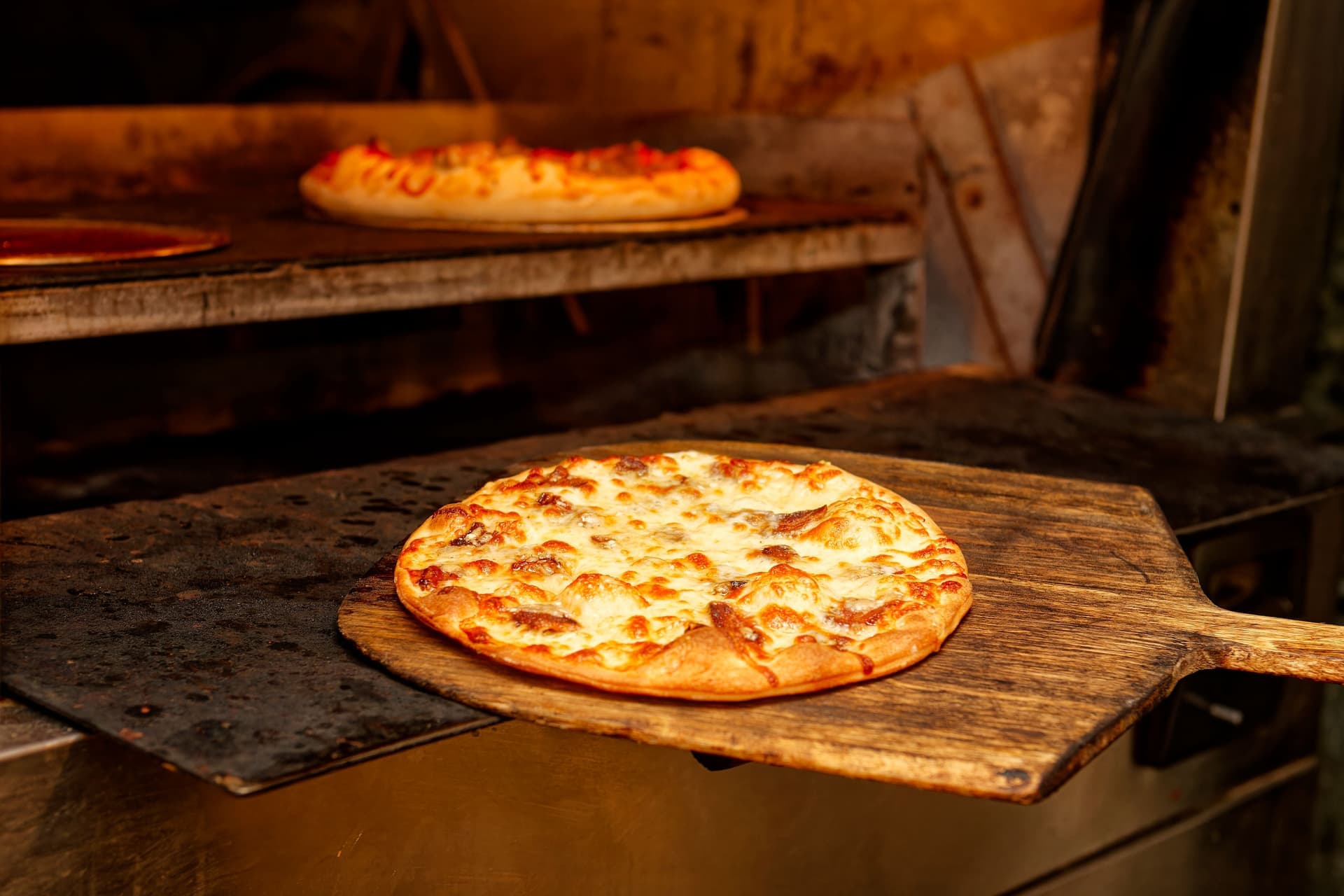
The best 16 inch pizza ovens
Why 16 in is bought for clearance rather than for 16 in pizzas, and the four ovens that offer it.
Best gas oven overall
The best gas pizza ovens, ranked by what the makers publish
Nine gas ovens ranked on the four published numbers that actually decide the purchase — with the two we would skip and why.
Best rotating oven
The best rotating pizza ovens
A motor under the stone fixes the burnt edge. Only one oven in this class publishes enough about itself to judge, and a turning peel does the same job for far less.
Single review
Gozney Arc Lite: the lightest Gozney, and the stone they thinned to get there
The lightest Gozney at 26.4 lb, with a published internal chamber and a floor thinned to 0.5 in to get there. What that trade costs after the first pizza.
Single review
Gozney Arc: the better-judged half of the Arc family
The Arc XL's 0.8 in stone, insulation and 6.8 in chamber height at 11 lb less — and why it is really a 12 in oven.
Single review
Gozney Arc XL: built for the fourth pizza, not the first
0.8 in stone, two-layer insulation and a lateral flame — the specification of an oven built for consecutive bakes.
Single review
HALO Versa 16: the oven that turns the pizza for you
A motorized stone that rotates 360 degrees, a published 21,100 BTU, and one specification HALO leaves blank.
Single review
Ooni Koda 16: the oven everything else is measured against
16 in of pizza at 40.1 lb, and why the chamber size matters more than the 950 F everyone quotes.

Single review
Ooni Koda 2 Max: the only oven here that cooks two things at once
Two independent burners, a 24 by 21 in stone, 20 in pizzas — and 95 lb that makes it furniture.
Single review
Ooni Koda 2 Pro: the dual-zone oven most people should actually buy
Dual independent burners and a 0.8 in stone at 66 lb — the Koda 2 Max capability without the 95 lb body.
Single review
Ooni Koda 2: the compact Koda, checked against its own claims
14 in, 35.27 lb and a 0.6 in stone — and every G2 improvement Ooni quotes is measured against the retired Koda 12.
Single review
Solo Stove Pi Prime: the one maker that tells you what the burner does
15,000 BTU and a 20-hour tank runtime, both published — the only oven here you can budget for on paper.
Guide
The first burn: setting up a new gas pizza oven properly
Burn-off, leak check, stone seating, a longer preheat than advertised, and the first launch — in the order that works.
Guide
Natural gas vs propane: which ovens, and what changes
Which four ovens take a gas line, why conversion is not a thing, and what a tether costs you.
Guide
How long a propane tank lasts in a pizza oven
430,000 BTU in a cylinder, divided by a burner rating almost nobody publishes. The maths, and the one oven it can be run on.