Crust & Coal
Wood-fired and multi-fuel pizza ovens
Wood is the reason the category exists and the reason half its owners eventually buy a gas burner too. Here is what it genuinely adds, what it costs you in attention, and which ovens do both without pretending.
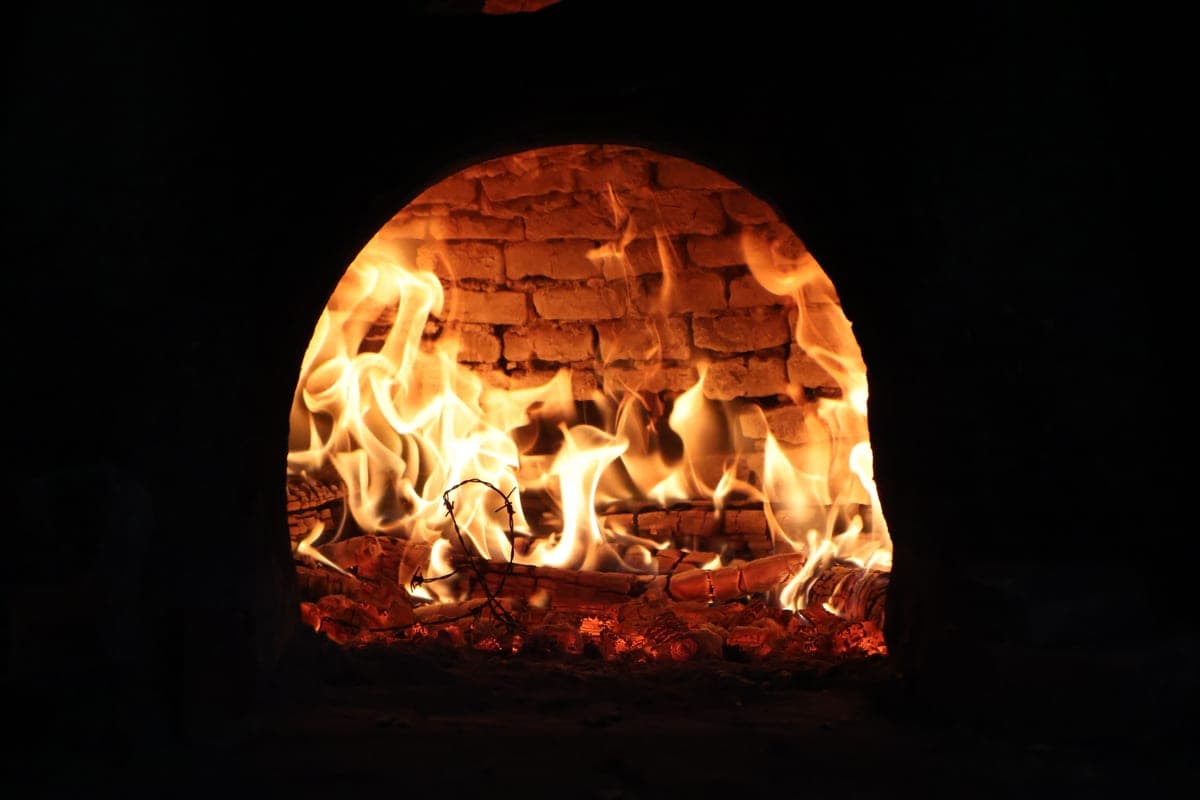
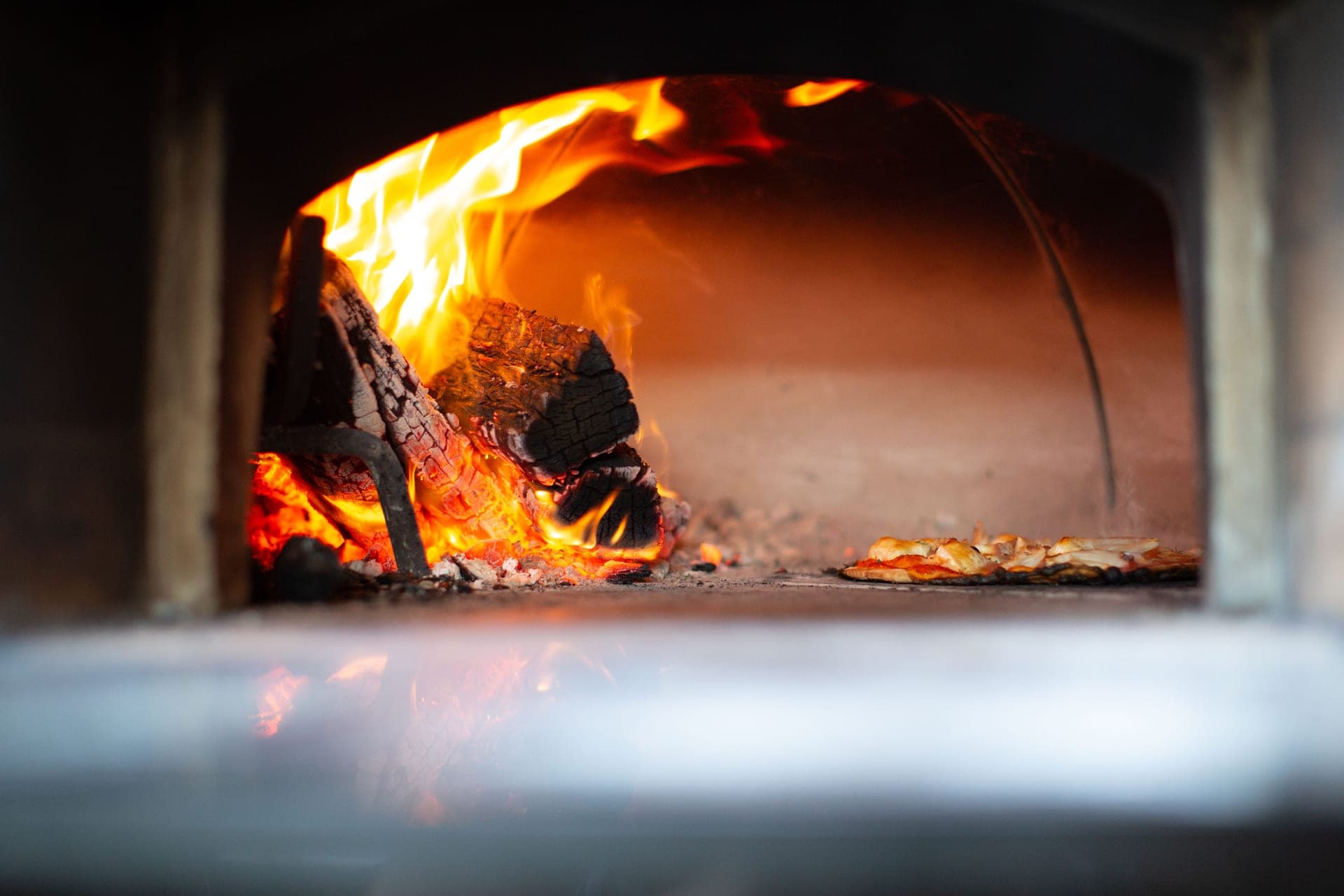
The honest case for wood is narrower than the marketing and better than the skeptics allow. A wood fire does not make a pizza taste of woodsmoke the way a brisket tastes of woodsmoke — a 90-second bake is nowhere near long enough for that. What it does is put a live, rolling flame across the ceiling of the chamber, and that flame chars the rim in a way a gas burner's steadier heat does not quite replicate. The difference is real, it is visual as much as it is flavor, and it is worth roughly the amount of extra effort it costs, which is a lot on a Tuesday and very little on a Saturday.
Multi-fuel is the honest default
Almost nothing sold today is wood-only, and that is the right design. Every oven in this hub either ships with both fuel systems or accepts a bolt-on burner, because the makers know what owners discover: you want wood when you have an afternoon and gas when you have forty minutes. Buying a wood-only oven is buying a commitment to always having the afternoon.
The catch is what the word covers. Ooni's Karu line is sold as multi-fuel and ships wood-and-charcoal-ready, with the gas burner as a separate purchase — so the advertised price is the wood price, not the multi-fuel price. Gozney's Roccbox is the reverse: gas burner in the box, wood burner extra. Ooni also sells the Karu 2 as a bundle with its gas burner, which is the way to get both in one order; the Bertello bundles and Solo Stove's dual-fuel Pi that used to ship both are no longer sold on Amazon. None of these is dishonest, but they are not comparable on sticker price, and that is the single most common way buyers in this category get surprised.
What to actually burn
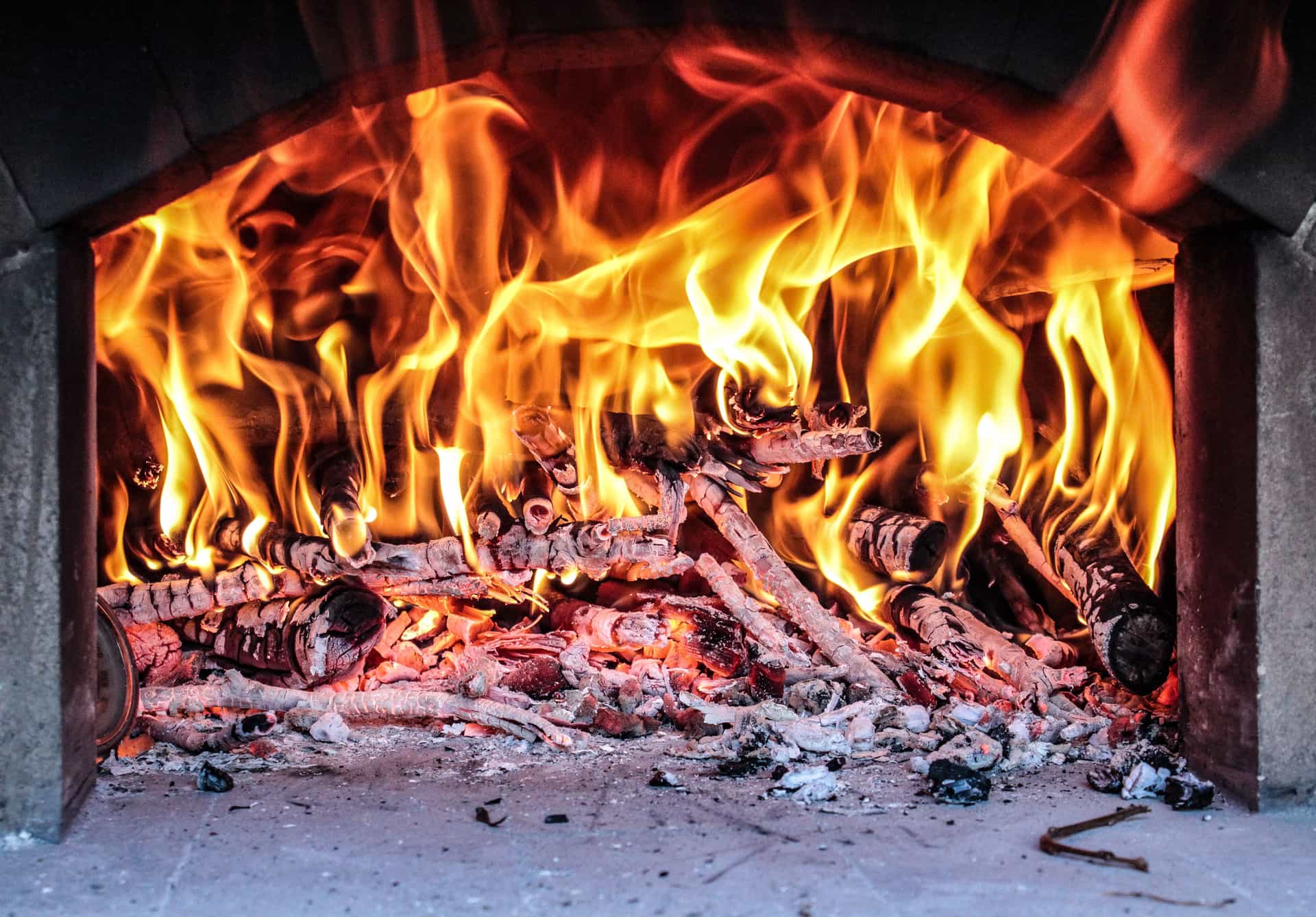
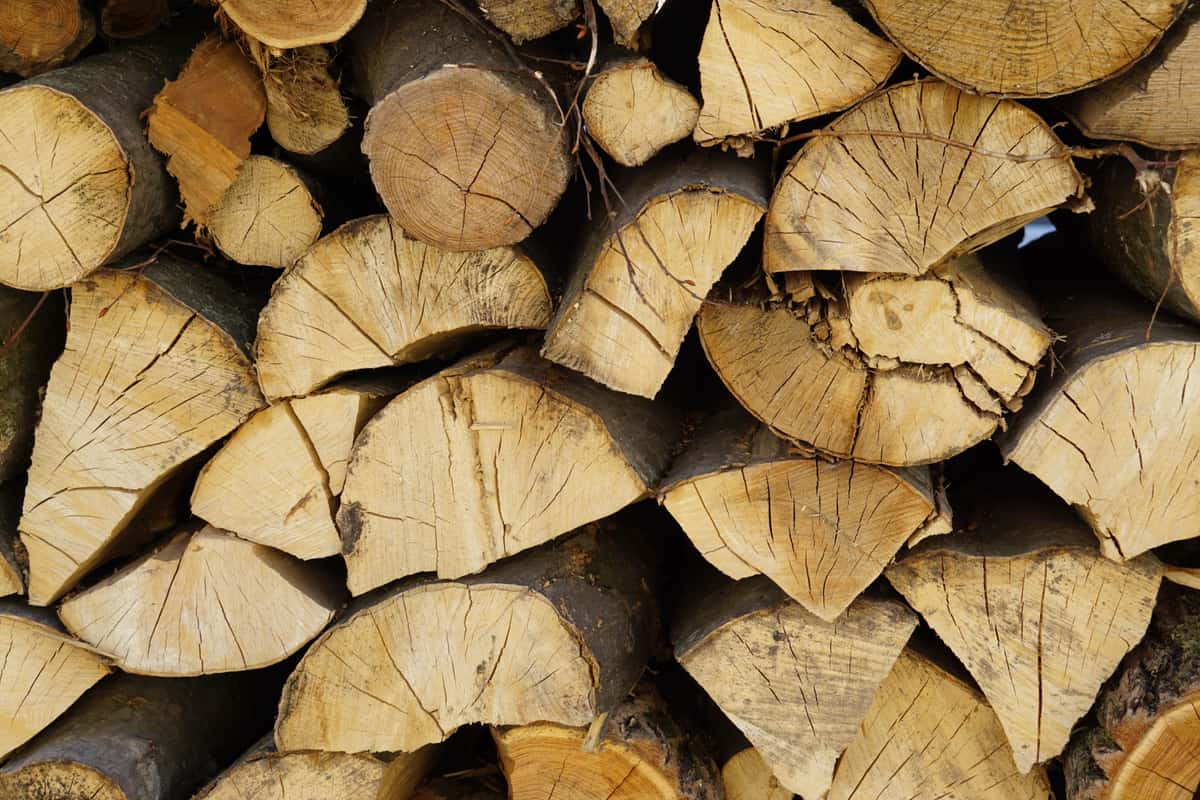
Kiln-dried hardwood, cut small. The moisture content is the whole argument: wet wood spends its energy boiling off water instead of heating your stone, and it produces the acrid smoke that gets on the pizza in a way good smoke does not. Kiln-dried stock is typically sold at under 20 percent moisture, and that is the number to buy on.
Size matters more than species in a small chamber. These fireboxes are tiny — a Karu 2 takes kindling-sized pieces, not logs — so wood sold specifically for pizza ovens is genuinely different from firewood, and it is not a marketing invention. Lump charcoal is the underrated option: it lights faster, burns steadier, produces less smoke and needs feeding less often, and every multi-fuel oven here accepts it. Our fuel comparison works through the trade properly.
The part nobody mentions
Ash. A wood oven produces ash every time it runs, and the ash goes somewhere. It also means a chimney that needs occasional attention and a fuel tray that needs emptying while it is still warm enough to be annoying and hot enough to be a hazard. None of this is difficult; all of it is a chore, and it is the chore that decides how often the oven actually gets used.
The second thing nobody mentions is that a wood oven demands you learn to read a fire. There is no dial. You get the temperature you get, you learn what a chamber at 900 F looks like versus one at 700 F, and until you do, an infrared thermometer is not optional equipment. Ovens with a glass door — the Karu 2 and Karu 2 Pro — make this dramatically easier, because you can manage the fire by looking at it rather than by opening the oven and losing the heat you were trying to measure.
Who should skip wood entirely
Anyone whose honest answer to "how often will I cook pizza?" is "once a week, on a weeknight." Wood is a Saturday fuel. If you want the flavor without the fire, the genuinely interesting middle ground is an electric outdoor oven with a pellet smoke box — see the indoor and electric hub — which produces real wood smoke with none of the fire management.
Two of the ovens here deserve a closer look than the roundup gives them: the Ooni Karu 2, the only wood oven light enough to put away between uses, and the Gozney Roccbox, still the one oven here designed to be carried.
Everything in this section
Wood-fired and multi-fuel
Best multi-fuel oven
The best wood-fired and multi-fuel pizza ovens
Four multi-fuel ovens compared — including which ones charge extra for the second burner, and why the glass door matters.
Best pellets
The best wood pellets for a pizza oven
Most pizza ovens do not burn pellets at all. Which do, how little they use, and what to buy if yours burns wood.
Single review
Bertello Grande: the only oven here that burns gas and wood at once
Burners above and below a 16 by 16 in square stone, and the only design here that runs gas and wood together.
Single review
Gozney Roccbox: still the only oven designed to be carried
Retractable legs, carry strap, swappable gas or wood burner, peel in the box — portability that was designed rather than claimed.
Single review
Ooni Karu 12: the previous generation, still on sale, and the one thing it lacks
Not discontinued — Ooni sells it as first generation at a discount. Same 950 F and same 0.6 in stone as the Karu 2, seven pounds lighter, and no glass door.
Single review
Ooni Karu 2 Pro: the glass door changes how you cook with wood
17 in of cooking width over a live fire, with a glass door that makes managing that fire possible.
Single review
Ooni Karu 2: a wood oven light enough to actually move
33.6 lb, a glass door and a stone that takes a Detroit pan — the only genuinely portable wood oven here.
Single review
Solo Stove Pi Fire: a pizza oven top for a fire pit you already own
A chamber that sits on a Solo Stove fire pit you have to already own, with a published 650 F stone ceiling — 300 degrees below the category.
Single review
Solo Stove Pi: the multi-fuel oven that arrived complete
Both fuel systems in the box and a 304 stainless body — against the lowest published ceiling here at 850 F.
Guide
Choosing wood for a pizza oven
Moisture beats species, and piece size beats both. What to buy, how much, and what never to burn.
Guide
Wood, charcoal or gas: what each fuel actually does
Why smoke flavor is mostly folklore at 90 seconds, why charcoal is underrated, and what actually changes with fuel.