Crust & Coal
Choosing a pizza oven by the space you actually have
The oven that fits your space beats the oven that wins the roundup. Start with dimensions, weight and what you are legally allowed to run where you live — then pick.
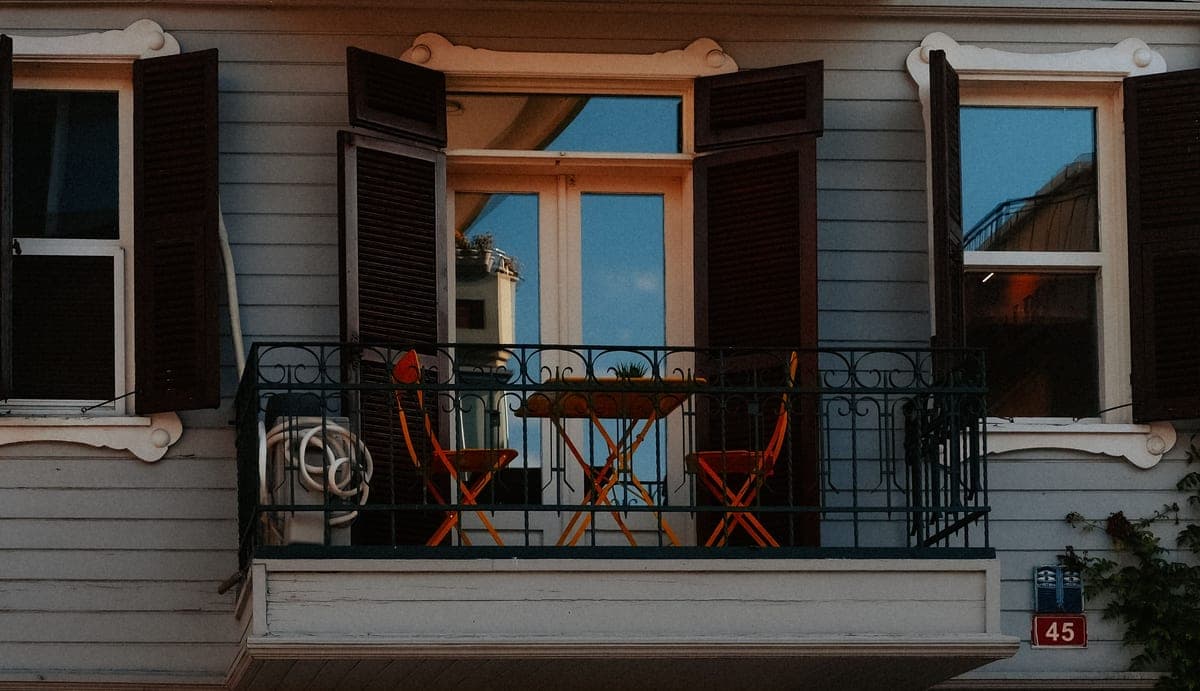
Most buying advice in this category treats space as a footnote. It is usually the constraint that decides everything. An oven you cannot site safely does not get used, an oven you have to carry does not get used often, and an oven your building does not allow does not get used at all.
Four spaces, four different answers
A balcony is the hardest case and the one where the rules matter more than the specs. Many apartment leases and local fire codes restrict open-flame appliances and propane storage on balconies, and those restrictions are not advisory. Before you shortlist anything, read the balcony and apartment rules guide — the answer is often an electric oven indoors rather than a gas oven outside.
A small patio is the common case and the one where dimensions do the work. The published external footprints in this site's registry run from 16.9 by 18.9 inches (Gozney Arc Lite) to 31 by 28 inches (Ooni Koda 2 Max), and the weights run from 26.4 lb to 95 lb. Those are not small differences and the larger end changes what furniture you need. Our small-patio roundup is sorted on exactly those two numbers.
A built-in or fixed outdoor kitchen flips the problem: weight stops mattering and clearance starts. Once an oven is not moving, you can buy the heaviest and best-insulated option in the budget — but you also have to get the surrounding surfaces right, permanently. That is the built-in versus portable question.
A campsite or a car narrows the field to two or three ovens with retractable legs and a carry format, and it introduces a fuel constraint most buyers do not think about until they are already packed. The portable roundup covers it.
The surface is the part people get wrong
A pizza oven is a heavy appliance whose underside gets hot and which sits directly above whatever it is standing on. A 66 lb oven at 950 F on a resin patio table is a genuinely bad idea, and the fact that the oven has feet does not make it a good one. Most makers publish a required clearance and a surface requirement in the manual, and a lot of buyers find out about them after the table warps.
A purpose-built stand solves this and also solves the workflow problem nobody anticipates: you need somewhere within arm's reach to build the pizza, land the peel, and put down the turning peel while it is hot. Our clearances and surfaces guide sets out what to check, and the tables and stands roundup covers the furniture side.
Two numbers to write down before shopping
First, the usable depth of the surface the oven will live on — not the table's total size, the part that is actually clear. Several ovens here are more than 24 inches deep, and the mouth needs to overhang nothing while the front needs room for a peel to approach flat.
Second, the weight you are willing to lift, honestly. Not once, on delivery day — every time. That single number eliminates more of this catalog than any other consideration, and it is the number people revise downward after ownership rather than before.
One space question gets asked more than any other and is usually asked too late: whether an oven can live under a roof. Covered patios and pergolas covers what a cover changes for a combustion appliance, and what to do when it rules gas out.
Everything in this section
Choosing by space
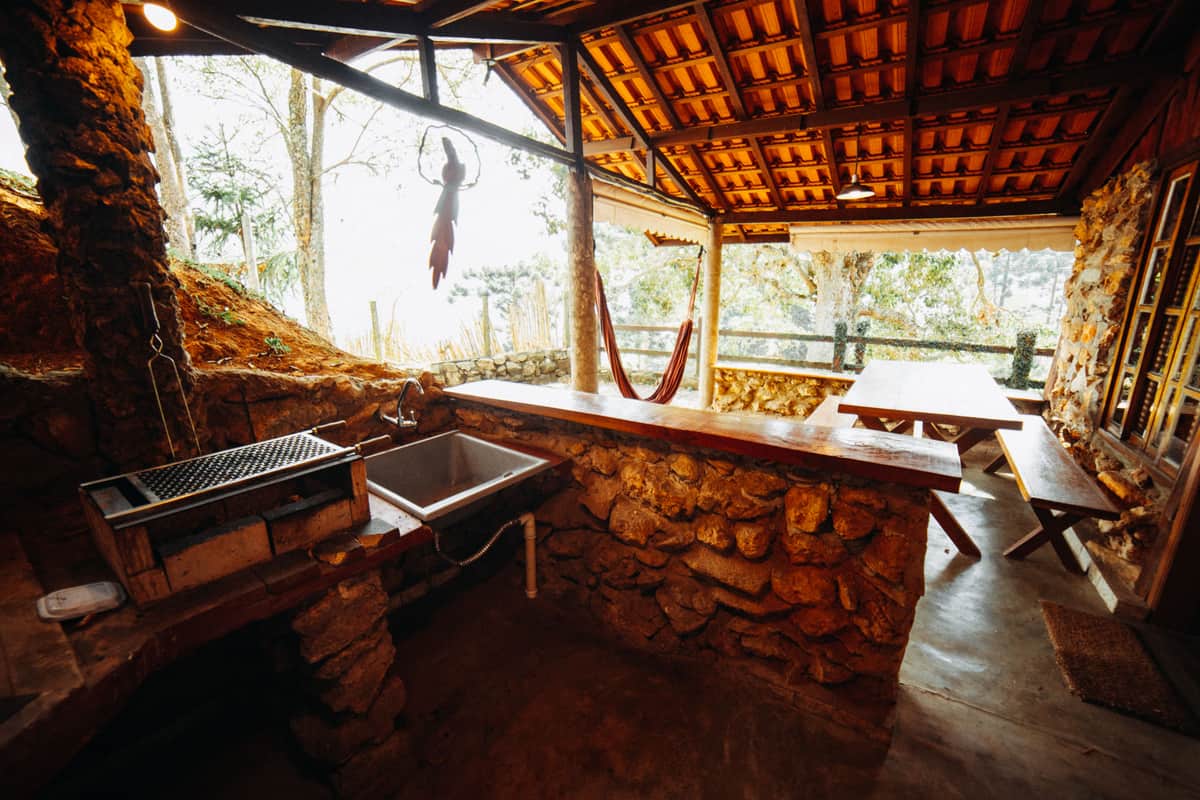
Best oven stand
Pizza oven tables and stands
Carry the weight, take the heat, and give you somewhere to build — plus the rating most stand makers omit.
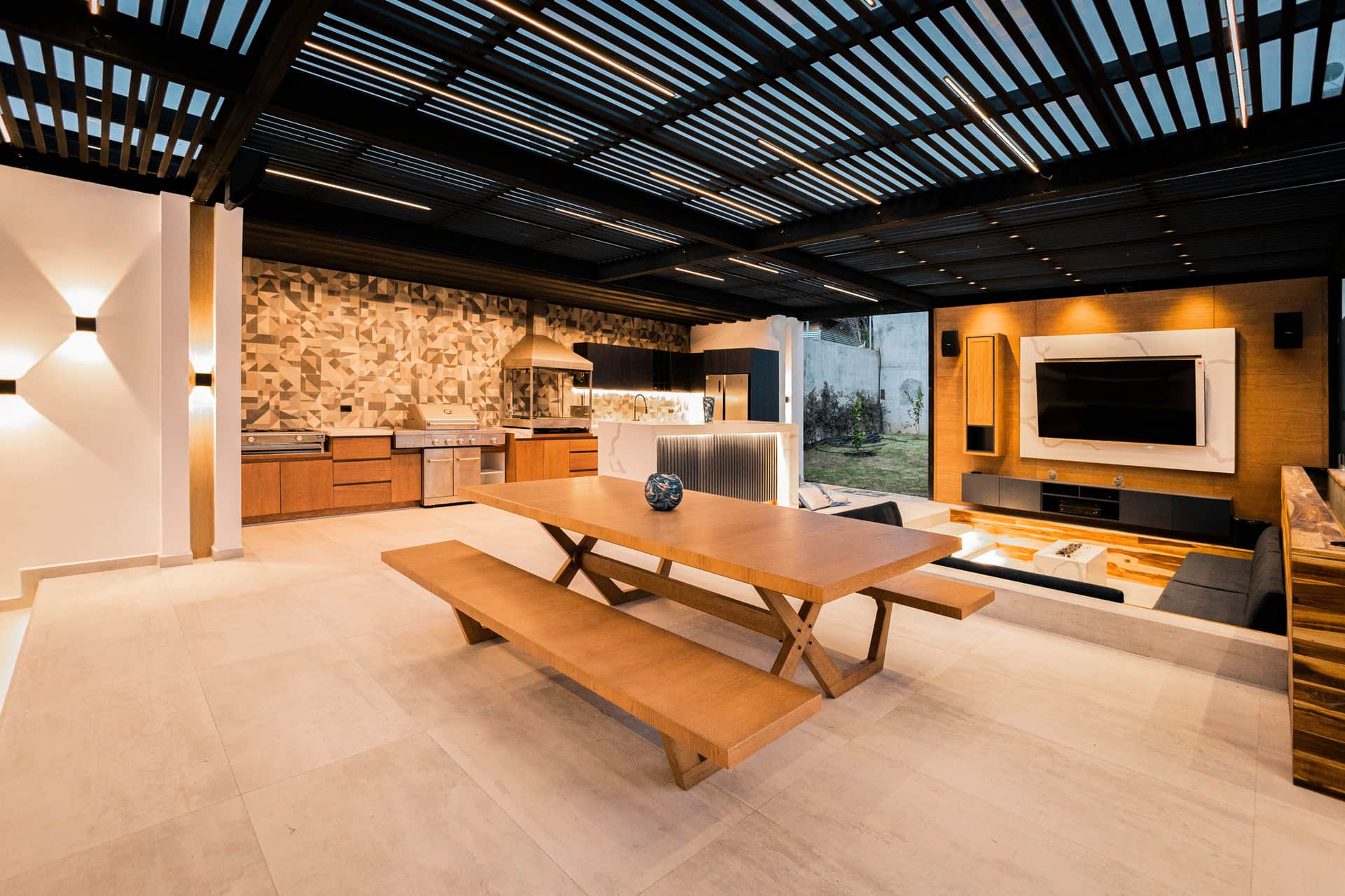
Best for an outdoor kitchen
The best pizza ovens for an outdoor kitchen
A fixed counter deletes weight as a constraint, and the ranking inverts. What replaces it is clearance.
Best for a small patio
The best pizza ovens for a small patio
Compact ovens ranked on published footprint and weight — everything here is under 50 lb, and the lightest is 26.4.
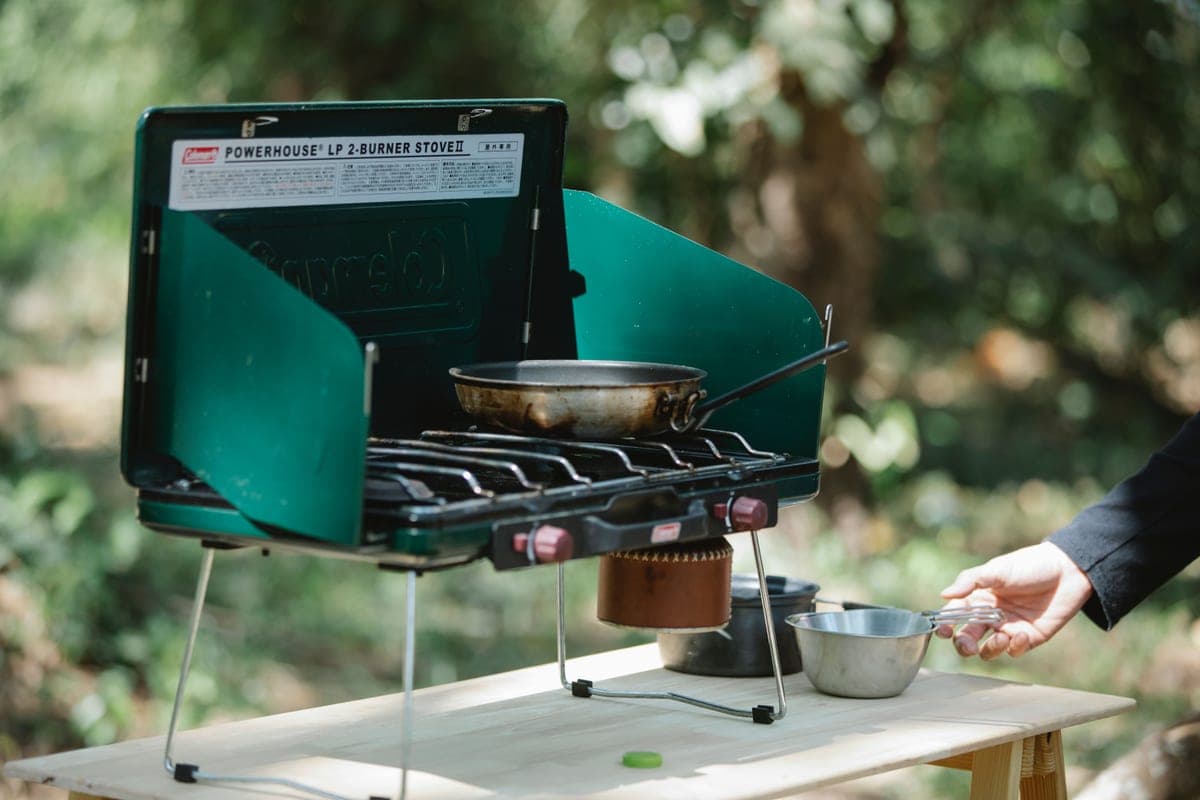
Best portable oven
The best portable pizza ovens
Designed-to-travel against merely small — and the fuel logistics that decide whether the trip works.
Guide
Pizza ovens on a balcony: what to check before you buy
Lease, fire code, manual — the three checks to make before buying, and what to buy when the answer is no.
Guide
Built-in or portable: the decision that comes before the oven
Settle the setup first — it decides whether weight is your dominant constraint or no constraint at all.
Guide
Clearances and surfaces: where a pizza oven can safely live
Non-combustible, level, load-rated, with clearance above and behind — what the manuals require and why.
Guide
Pizza ovens under a covered patio or pergola
Roof, pergola or awning — what each changes for a combustion appliance, and the electric answer when gas is out.