Crust & Coal
Indoor and electric pizza ovens
No cylinder, no ash, no patio required. Electric ovens trade about 100 to 250 F of peak temperature for the ability to live on a kitchen counter — and for a lot of households that is the trade that makes pizza happen at all.
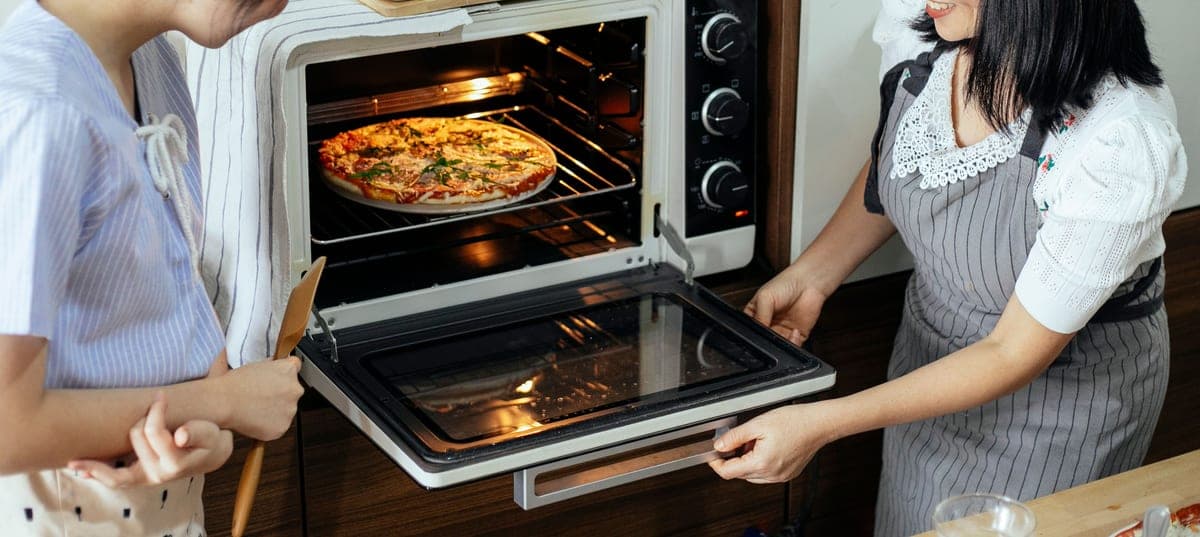
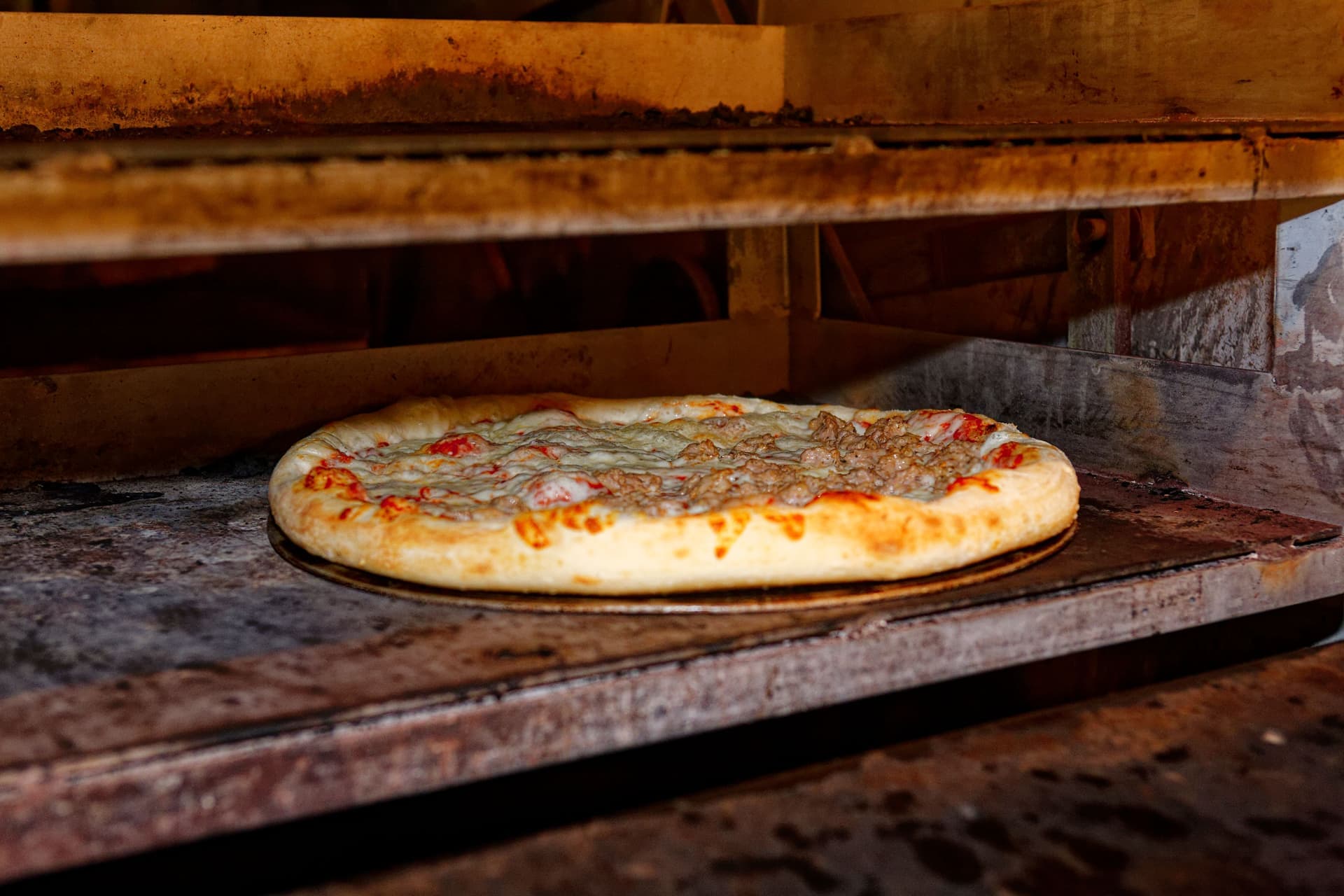
A domestic oven tops out somewhere around 500 to 550 F. A dedicated electric pizza oven reaches 700 to 850 F. That gap is the entire product category, and it is bigger than it sounds: the difference between a base that browns in eight minutes and one that browns in two is not a matter of patience, it is the difference between a crisp shell over a soft interior and a uniformly dry disc.
The ceiling, and why it is where it is
Electric ovens in this hub cap out at 850 F (Ooni Volt 2), 750 F (Breville Pizzaiolo) and 700 F (Ninja Woodfire, which is outdoor rather than indoor). None of them reaches the 950 F that every gas oven here publishes, and the reason is not laziness — it is the wall socket.
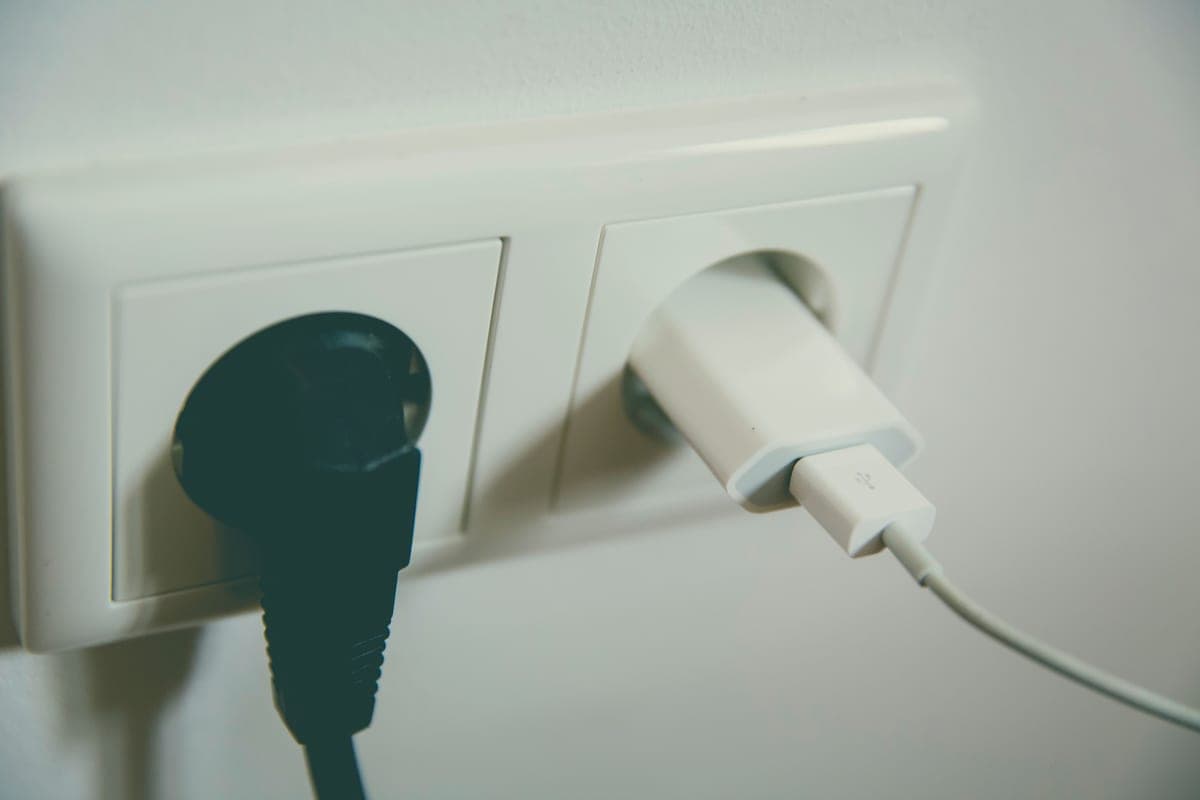
A standard North American circuit is 120 V at 15 A, which is 1,800 W before you allow any headroom. The Ooni Volt 2 draws 1,600 W, or about 13.3 A, which fits with margin. That 1,600 W is the entire energy budget available to heat a chamber and hold it there, and 850 F is what good insulation plus that budget gets you. The Ninja Woodfire's 1,700 W is about 14.2 A, which fits a 15 A circuit only with nothing else on it; it is an outdoor appliance because it burns pellets for smoke. Our power requirements guide works through what your kitchen can actually supply.
What you gain
Precision, mostly. A gas burner has a dial; an electric oven has a thermostat and, in the Volt 2's case, an adaptive control system that adjusts in real time to hold the setpoint through consecutive bakes. Nothing on a patio does that. The Breville goes further in a different direction and lets you choose which heating elements run — the only oven in this entire site that lets you deliberately char a base without pushing the toppings past done.
You also gain the things you stop doing: no cylinder to run out of, no ash, no cover, no winter storage, no checking the weather. An indoor oven gets used in February. A patio oven, for most people, does not.
What you give up
The 60-second bake, honestly. At 850 F you are looking at roughly 90 seconds to two minutes; at 750 F, three to four. That is still enormously faster than a domestic oven and it is not a true Neapolitan, and the makers do not claim it is. The second thing you give up is stone mass: the Volt 2's floor is 0.4 inches, the thinnest in this registry, because every pound of stone is a pound the countertop has to carry and a joule the 1,600 W budget has to heat.
The third is size. Every electric oven here is a 12 inch oven. There is no 16 inch electric option, for the same wattage reason.
The mistake buyers make
Assuming an outdoor-rated electric oven can come inside, or that an indoor one can go out. These are separate ratings and the makers are explicit about them: Ooni states the Volt 2 is indoor use only, while the older Volt 12 was rated for both. The Ninja Woodfire is outdoor, partly because it burns pellets for smoke. Check the rating before you plan where it lives, not after.
The other mistake is skipping the appliance entirely and buying a stone for the kitchen oven. That is a reasonable, cheap first step — the stones and steels guide covers it properly — but it does not close the temperature gap, because no accessory raises a 550 F oven's ceiling.
Everything in this section
Indoor and electric ovens
Best indoor oven
The best indoor and electric pizza ovens
Five electric ovens compared on watts, amps and peak temperature — and why the ceiling is set by your wall socket.

Single review
Breville Pizzaiolo: the only oven that lets you pick the elements
750 F, five presets and a manual mode that lets you choose which elements fire — control no other oven here offers.

Single review
Chefman High-Heat Indoor Pizza Oven: the cheapest 800 F in the category
800 F from the lightest oven in the category, with a stone and peel in the box — and no published stone thickness anywhere.
Single review
Cuisinart Indoor Pizza Oven (CPZ-120): the most complete box, and the lowest ceiling
Stone, peel and deep-dish pan in the box on a three-year warranty — behind the lowest peak here and a draw that takes the whole circuit.

Single review
Ninja Artisan MO201: the first oven here that admits pizza styles are different problems
Five named pizza programs, a range starting at 90 F, and a published 15 amps — the highest draw of any oven here, at the second-lowest peak.
Single review
Ninja Woodfire OO101: electric heat with real wood smoke
1,700 W, 105 to 700 F and a pellet smoke box — real wood smoke with no fire to feed, on an outdoor circuit of its own.
Single review
Ooni Volt 2: an 850 F deck oven that plugs into a kitchen wall
1,600 W, 850 F and a 0.4 in stone — how Ooni spends a fixed energy budget, and what it costs.
Guide
Watts, amps and circuits: what an electric pizza oven needs
Watts divided by volts equals amps, and amps is what your breaker cares about. The arithmetic, with real figures.

Guide
Indoor or outdoor: which pizza oven will you actually use?
The spec sheet favors outdoor gas; the usage record often favors indoor electric. Which argument applies to you.