Crust & Coal
Heat, dough and technique
The oven is a third of the result. The stone temperature, the dough and the launch are the rest — and they are the part nobody sells you.
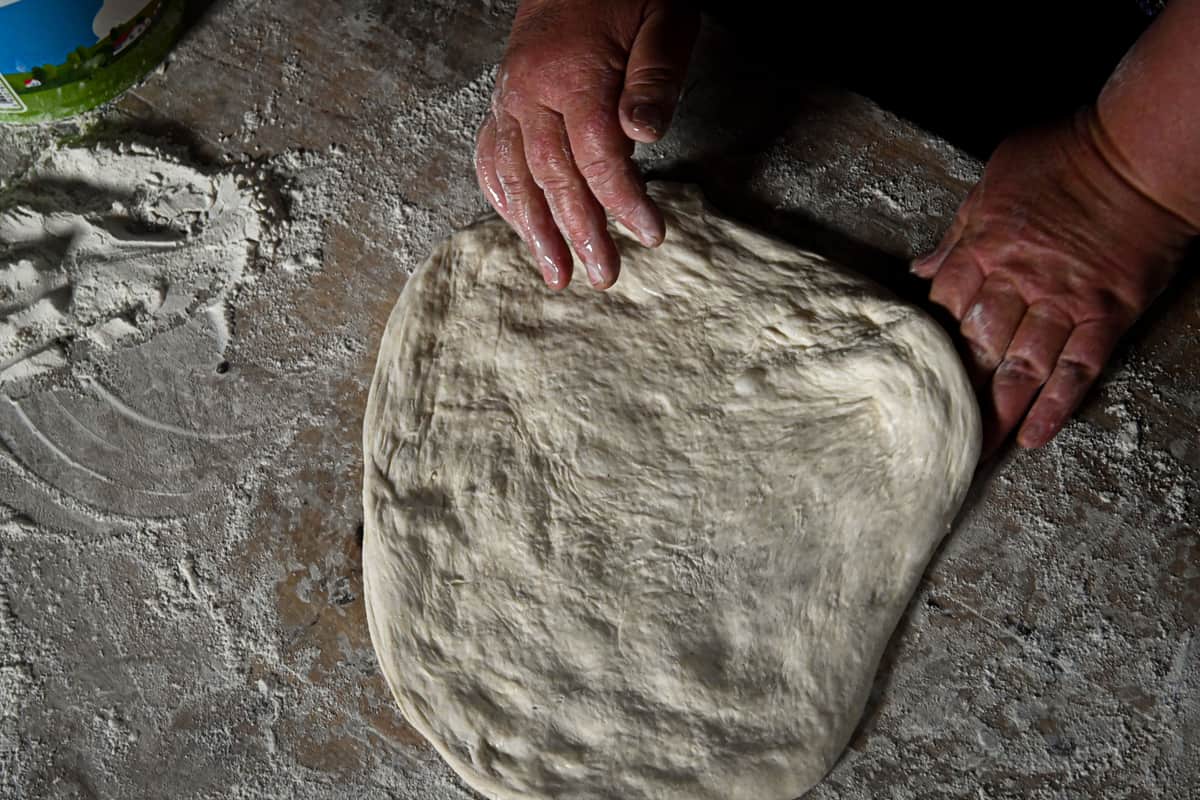
A 950 F oven does not make good pizza. It makes fast pizza, which is a different thing, and the gap between the two is filled entirely by technique. This hub is the technique — specifically the parts that are different because the oven is hot, rather than general pizza advice that applies at any temperature.
Heat is a floor number, not an air number
The single most useful shift in thinking is to stop asking how hot the oven is and start asking how hot the stone is. The base cooks by conduction from the floor; the top cooks by radiation from the roof and the flame. Those two can be badly out of balance, and almost every classic failure — raw base under a burnt top, or a scorched base under pale cheese — is that imbalance rather than a bad recipe.
The practical version: preheat longer than you think, measure the floor rather than trusting a dial, and if the base is racing the top, give the stone a rest between pizzas instead of turning the flame down. How hot a pizza oven should be works through the actual target ranges by style.
Dough for 90 seconds is different dough
A dough formulated for a 500 F domestic oven, put into a 900 F chamber, tends to burn on the outside before the inside sets. The main levers are hydration, which affects how quickly the surface dries and colors, and sugar and oil, which accelerate browning and are therefore usually reduced or removed for high-heat bakes — a true Neapolitan dough is flour, water, salt and yeast for exactly this reason.
Flour matters more here than at lower temperatures too, because a 60-to-90-second bake gives the gluten no time to set gradually. Dough for high heat covers what to change and what to leave alone.
Running cost is a fair question
It is also one almost nobody answers with real numbers, because doing so requires a published burner rating and most makers do not provide one. Where the figures exist, the arithmetic is straightforward and the answer is usually reassuring — a pizza costs pennies in fuel. What a pizza oven costs to run shows the working, including which numbers we could not source.
Things go wrong in predictable ways
Almost every problem in a home pizza oven is one of four: one side burns while the other stays pale (a turning problem), the base burns before the top cooks (a stone-too-hot problem), the pizza sticks to the peel (a launch problem), or the pizza is pale and dry (an oven-not-actually-hot problem). Each has a specific fix and none of them requires buying anything. Why one side of your pizza burns is the one that comes up most.
And then the season ends
Outdoor ovens die of water, not of use. Moisture in a burner assembly, absorbed into a stone and then frozen, or trapped under a cover put on while the oven was still warm — those are the failure modes, and all three are avoidable in about ten minutes. Maintenance and winter storage is the ten minutes.
And the question that sits underneath all of this: how long to preheat. Every maker publishes a number, and every one of those numbers describes the air rather than the floor your pizza sits on.
Everything in this section
Heat and technique
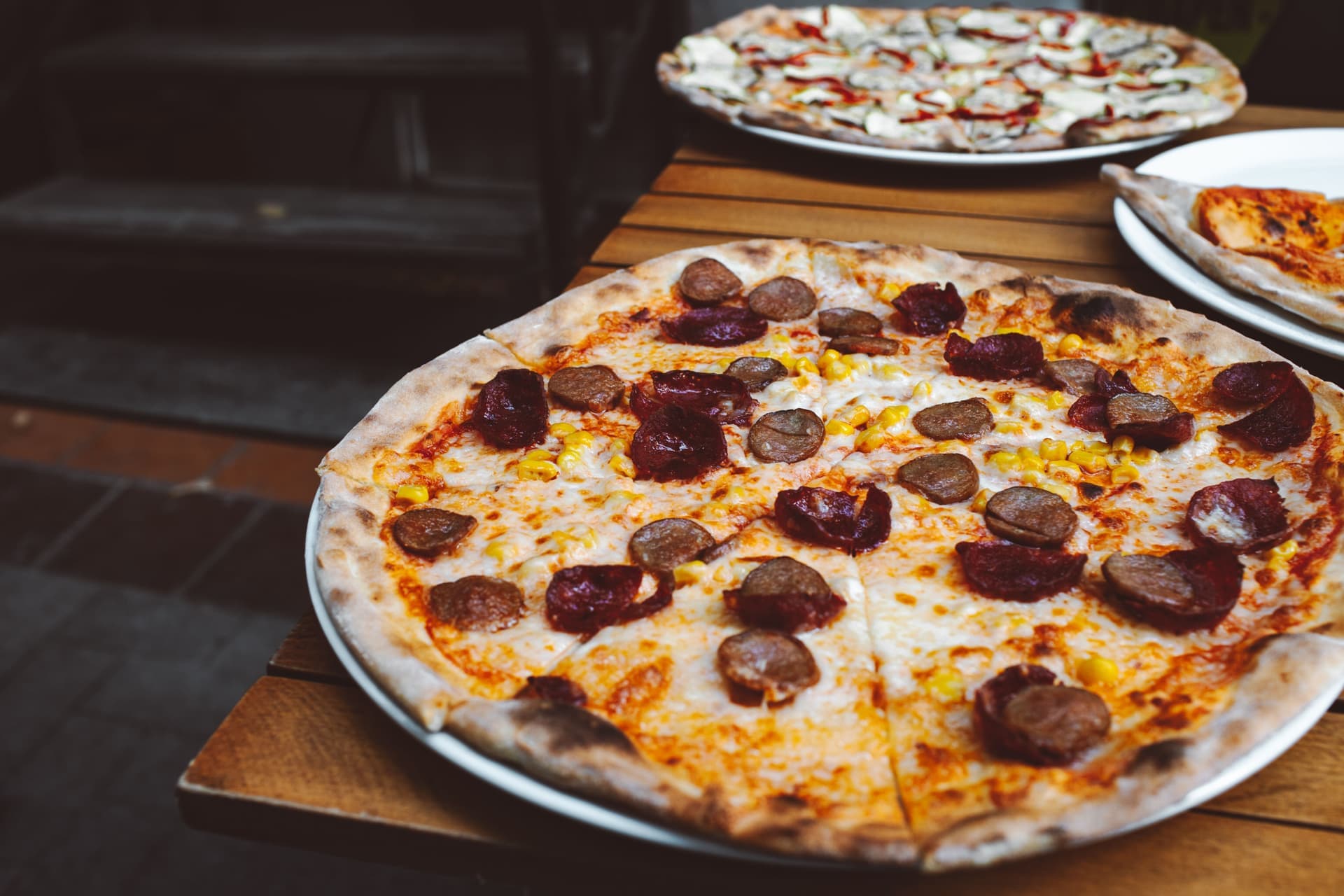
Best budget oven
The best budget pizza ovens
Every cheap oven here hits 950 F. What they remove instead is chamber size and stone — and only one of those is survivable.
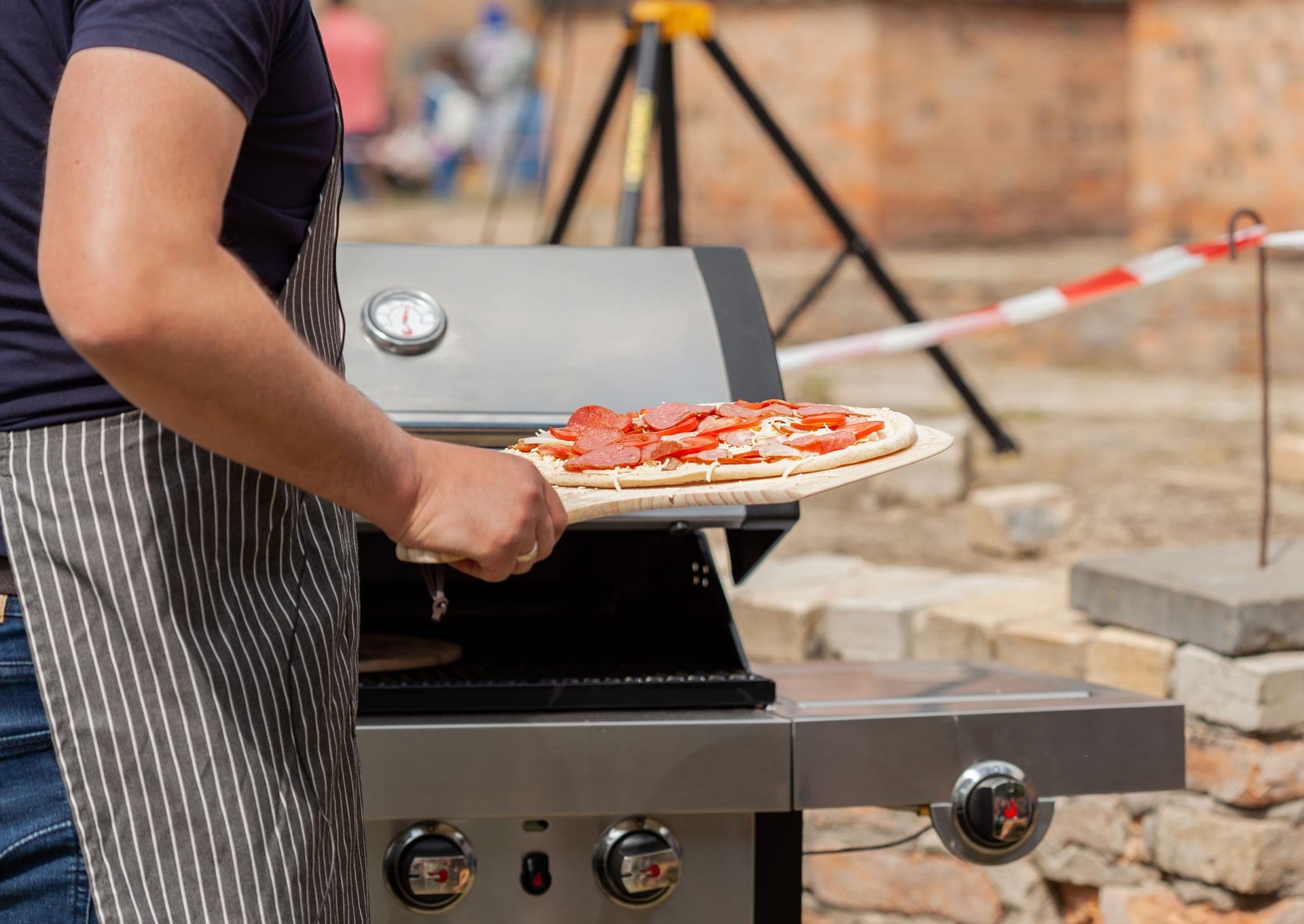
Best first oven
The best pizza ovens for beginners
Room to turn, a fuel with a dial, and a weight you will carry — the three things that decide a good first month.
Guide
Are pizza ovens worth it?
Yes if you will use it monthly and make your own dough. No if it lives in the garage. The cheap way to find out first.
Guide
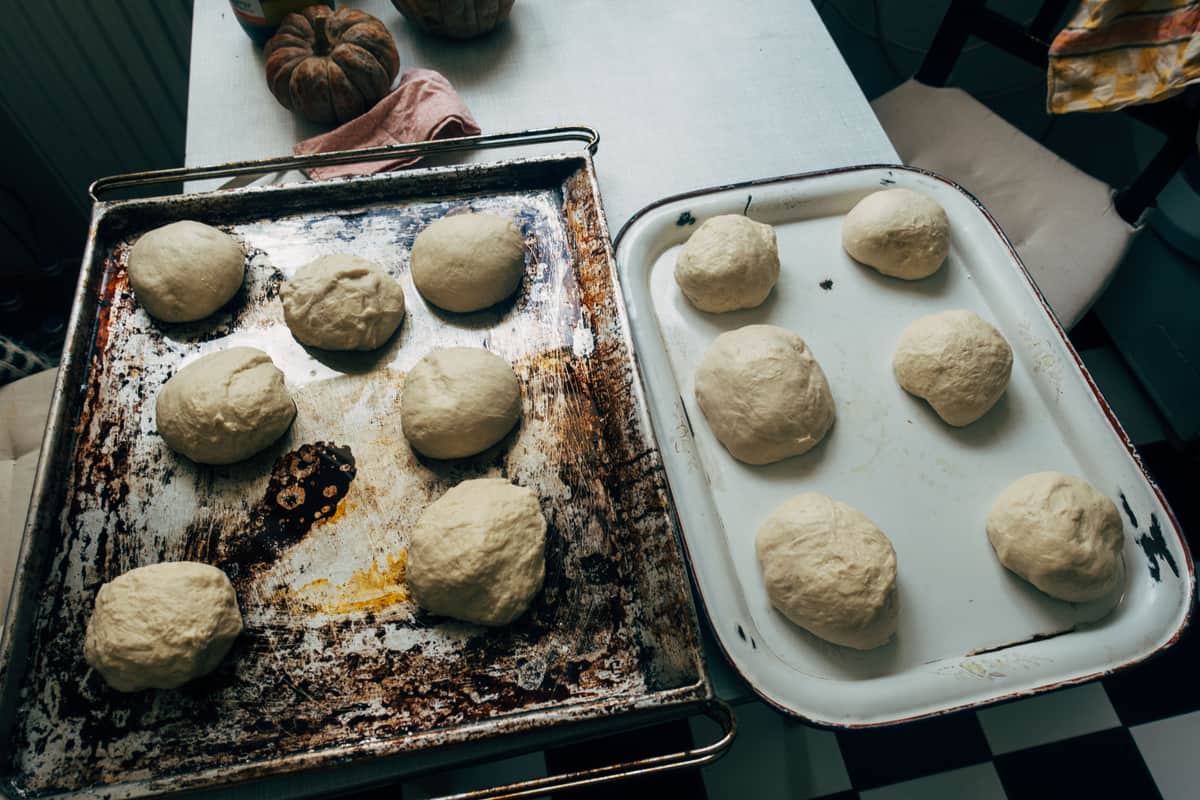
Dough for a 90-second bake
Sugar, oil, flour strength and hydration — the three changes a 90-second bake demands, and what to leave alone.
Guide
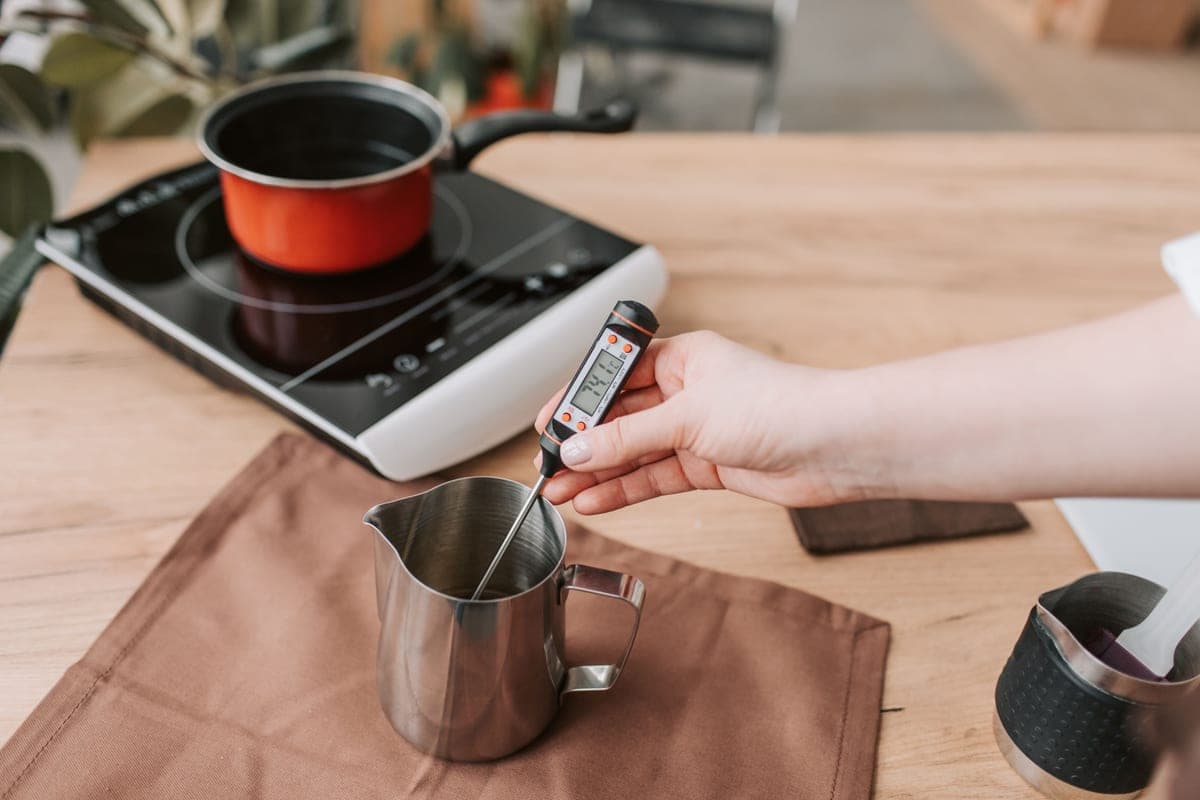
How hot should a pizza oven be?
Stone temperature by style, why the dial lies during preheat, and why 950 F is wrong for most pizza.
Guide
How long to preheat a pizza oven
Published preheat times by model — and why every one of them describes the air rather than the floor.
Guide
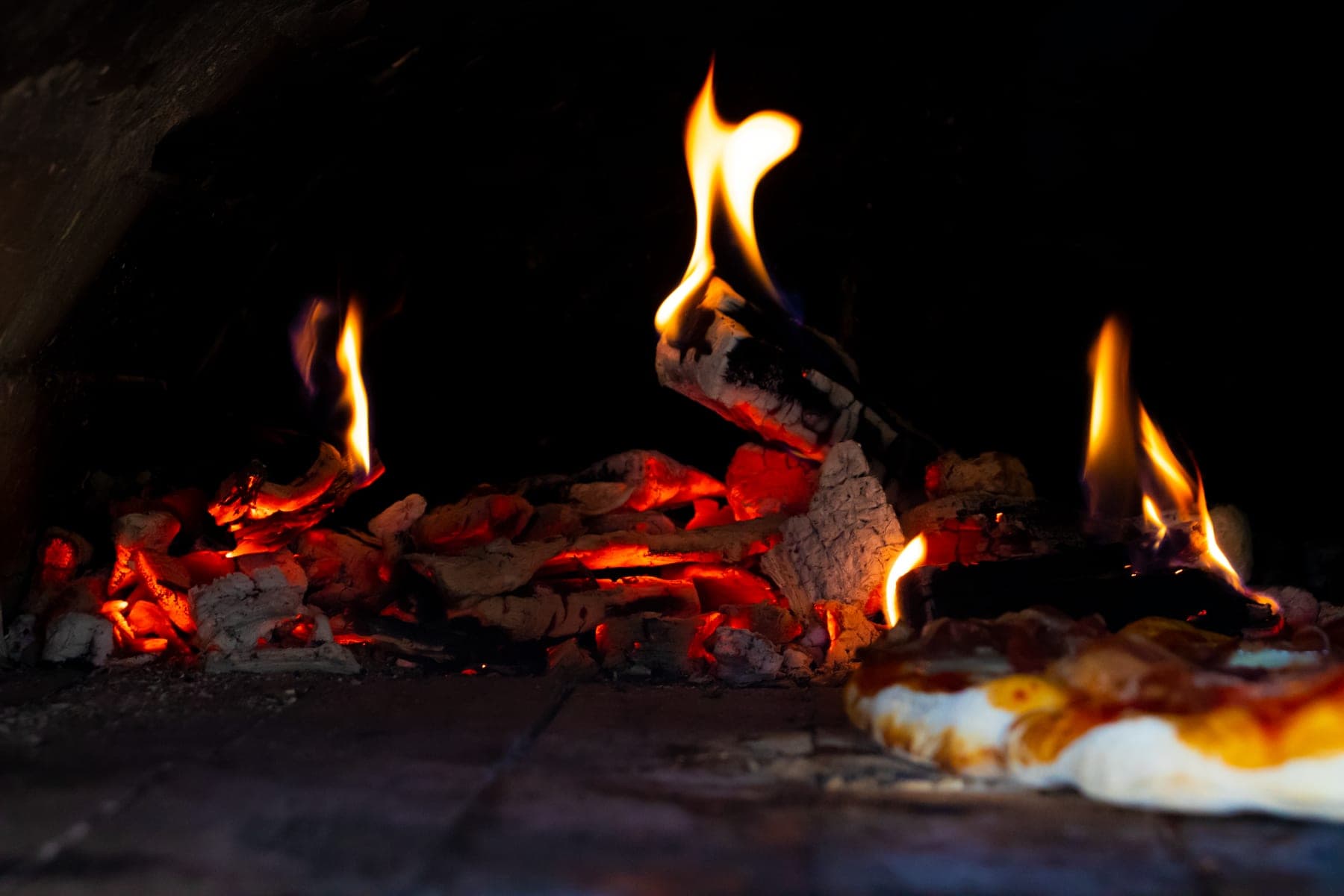
How to choose a pizza oven
Space, fuel, size, stone, budget — five decisions in the order that makes the shortlist write itself.
Guide
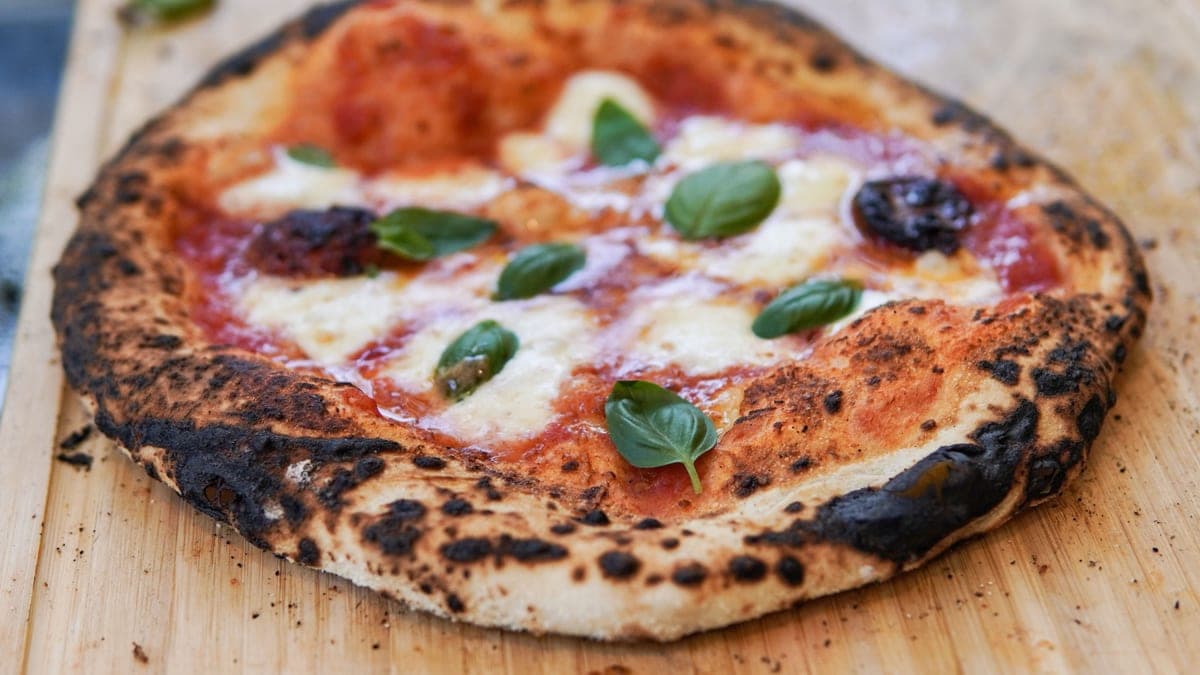
Neapolitan or New York: which can your oven actually make?
Two styles that want opposite things from an oven — and why home ovens are built for one of them.
Guide
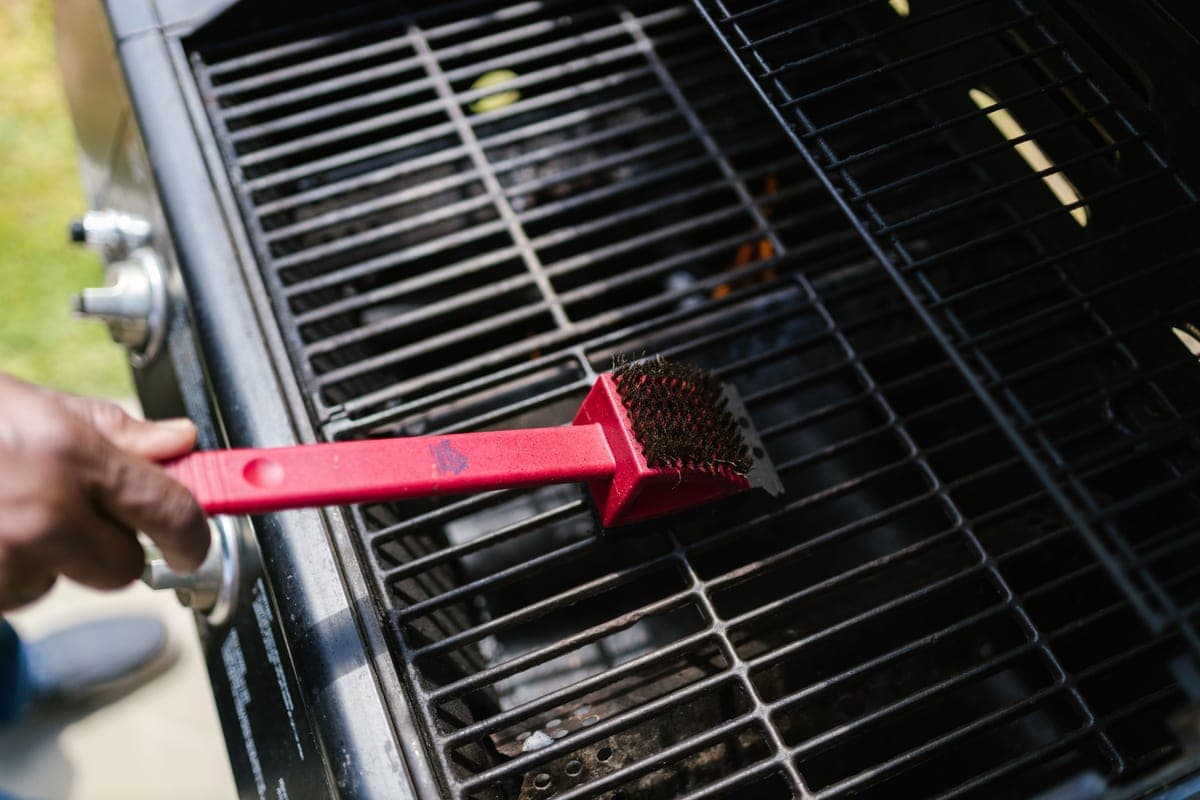
Maintenance and winter storage
Brush, never wash. And the ten-minute end-of-season routine that prevents the most common spring failure.

Guide
What a pizza oven actually costs to run
The propane and electric arithmetic on published ratings — plus the ovens whose makers publish nothing.
Guide
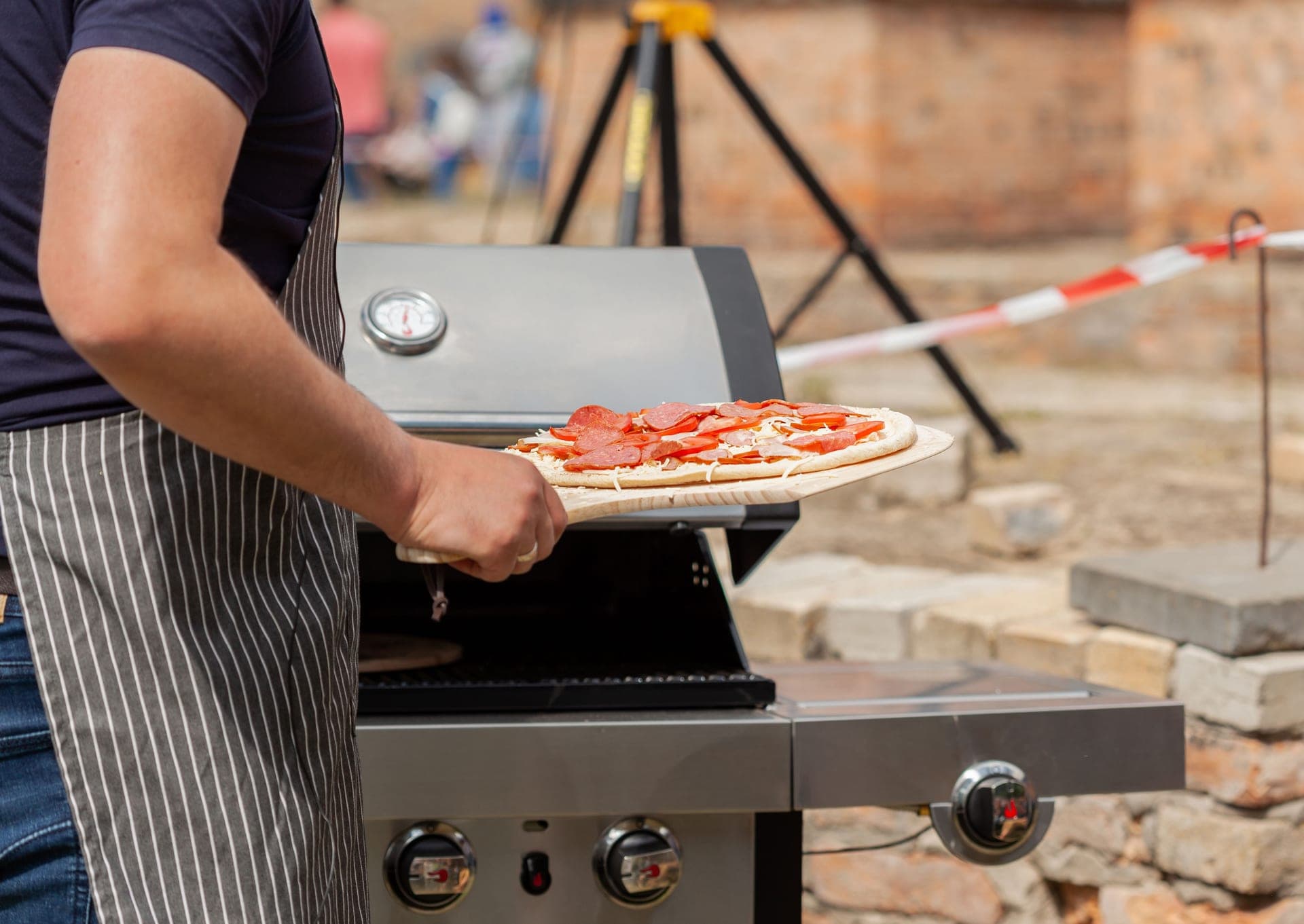
Pizza oven vs grill
A grill is hot enough and outdoors already. What it lacks is a roof close to the pizza — and there are two cheap ways to build one.
Guide
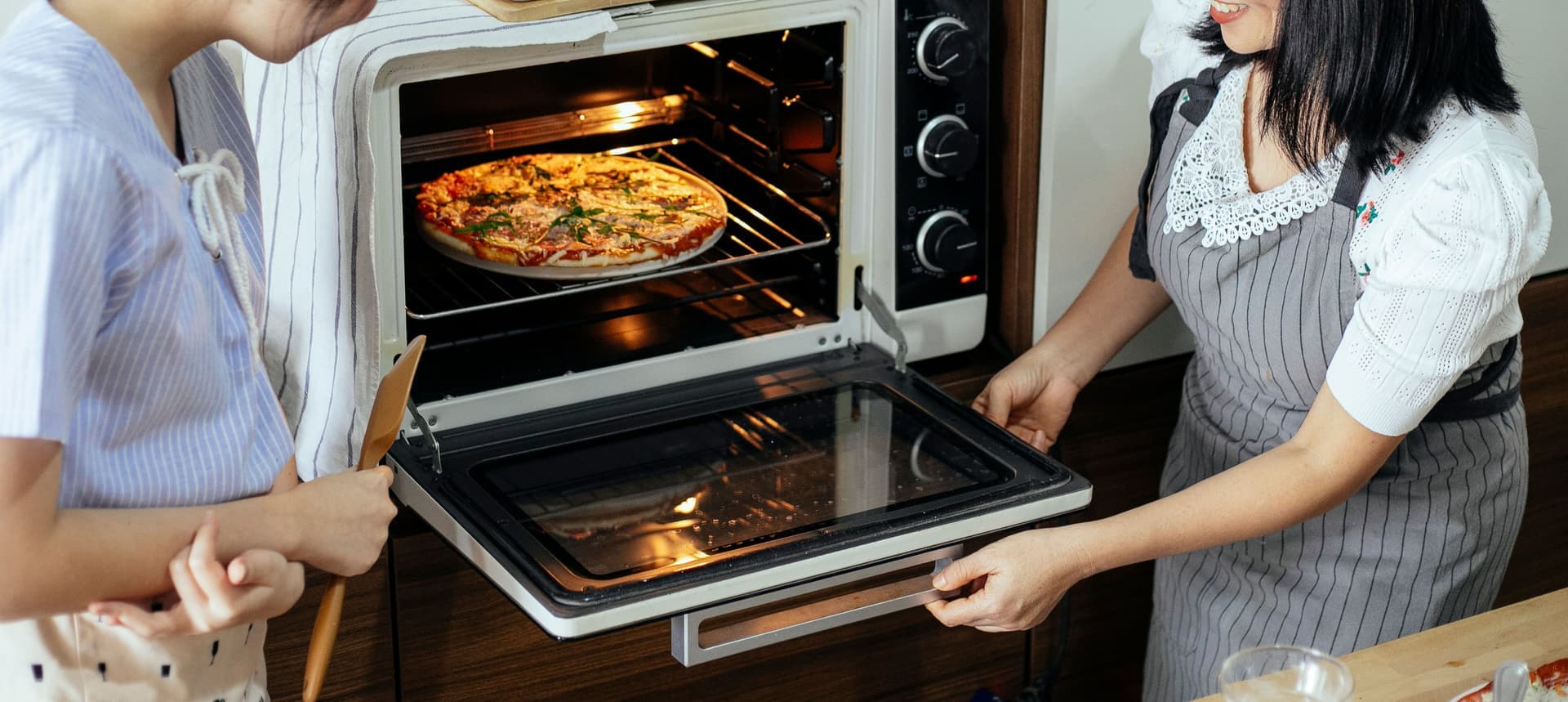
Pizza oven vs regular oven
About 400 degrees separates them, and it changes bake time, rim texture and toppings — but not your dough.
Guide
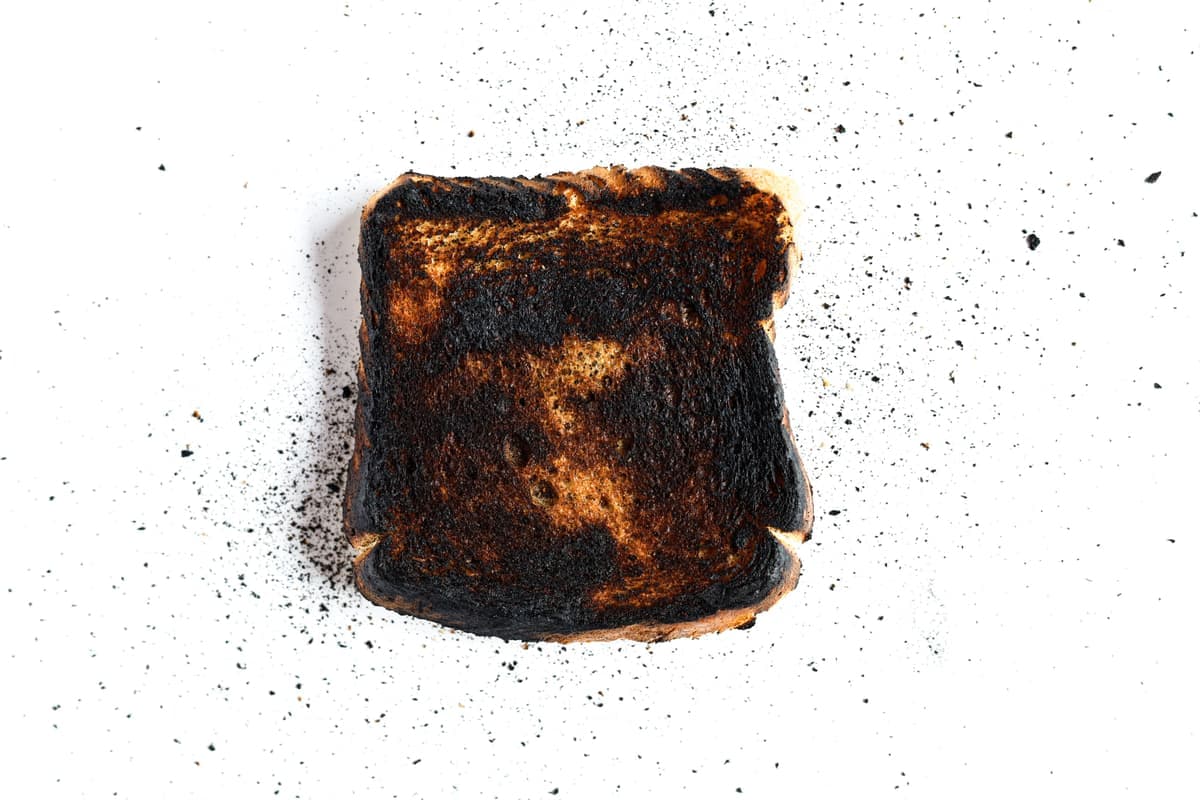
Why one side burns, and four other things that go wrong
Five faults, five causes, five fixes — and the order to diagnose them in when several happen at once.