Crust & Coal
Head-to-head: the two ovens you are actually choosing between
Nobody shops a whole category. By the time you are ready to buy, the list is two ovens long. These pages are that list, resolved.
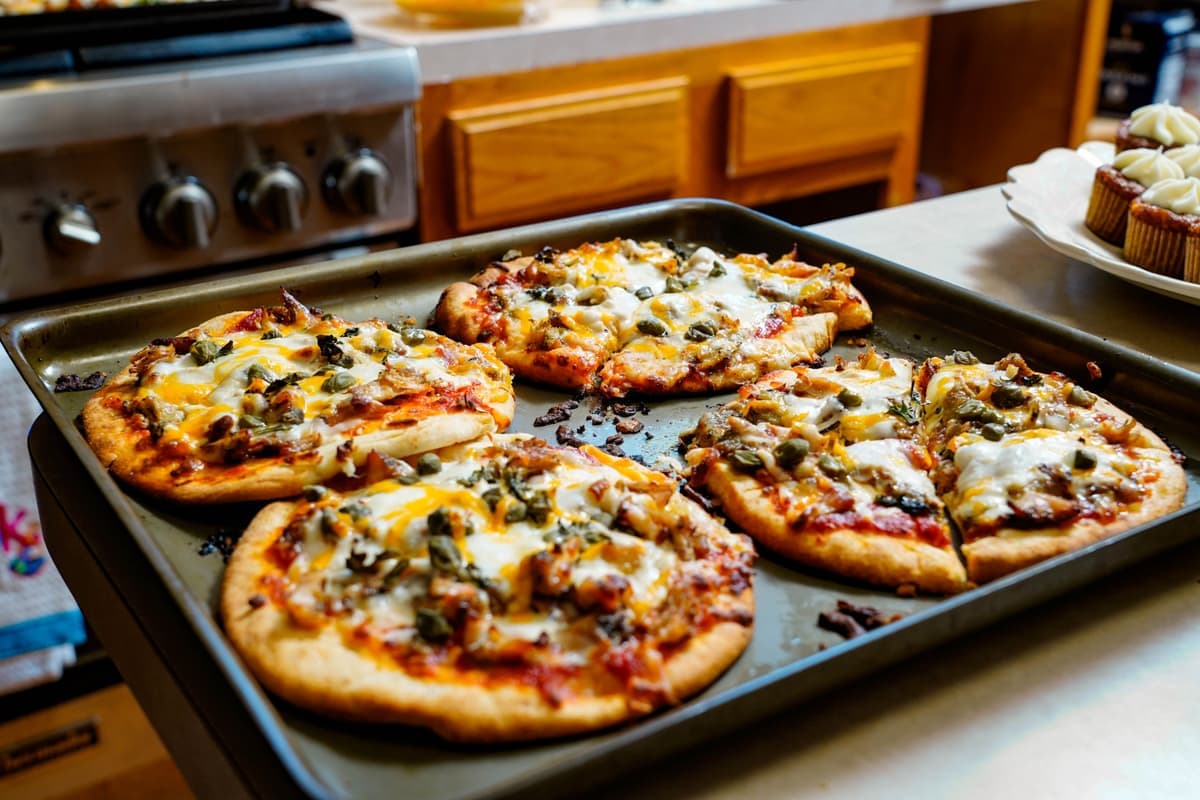
This hub exists because of how people actually buy an oven. Nobody sits down to evaluate the category. They read one roundup, form a shortlist of two, and then spend a week trying to resolve a question that no roundup answers: not "which is best" but "which of these two, for me." Those are different questions and they need different pages.
How we resolve a matchup
Every comparison here follows the same structure, deliberately. First, the published specifications side by side, in one table, with blank cells where a maker does not publish a figure — because a missing number is itself information, and pretending otherwise is how comparison sites end up inventing data.
Then the differences that are real. Most head-to-heads in this category are between two ovens that both reach 950 F, both cook a pizza in about a minute, and differ in three or four specifics that matter enormously to some buyers and not at all to others. Stone thickness, chamber height, weight, and whether the burner sits at the back or along the side: those are usually the whole argument.
Then a verdict that names a buyer rather than a winner. "The Arc XL is better" is not useful. "The Arc XL if you cook four pizzas in a row, the Koda 16 if you carry the oven in and out" is, because it maps onto something you already know about yourself.
What we cannot tell you
We have not cooked on these ovens. Every one of these pages is a comparison of published specifications and design decisions, not of results, and where a difference would only show up in use we say that rather than inventing an impression of it. That constraint is more limiting than most sites admit to, and it also rules out the specific failure mode this category is full of — the roundup that has clearly handled none of the twelve ovens it ranks and says so nowhere.
What published specifications do settle, they settle completely. Whether an oven fits a balcony is a dimensions question. Whether it takes a 16 inch pizza is a chamber question. Whether it will still be at temperature for the fourth pizza is largely a stone-thickness and insulation question. Those are most of what people are actually asking.
The comparison that comes up most
Gas versus multi-fuel, at the same size and roughly the same price. It comes up more than any model-versus-model question, and the answer is almost always the same: buy the fuel you will actually use on a weeknight, and treat the other one as a bonus. Owners consistently over-estimate how often they will light a fire. The wood-fired hub makes that argument properly, and it makes it in the direction of buying less oven, not more.
After that: 12 inch versus 14 inch, which is not really a size question but a turning-clearance question, and it is covered in why one side of your pizza burns.
And before any of the model pairs, plenty of people are still choosing a side: Ooni vs Gozney compares the two lineups on what each maker publishes, including the fuel options only one of them sells.
At the entry end, Gozney Arc Lite vs Ooni Koda 2 is the comparison most first-time buyers land on. Over on the wood side, Bertello Grande vs Ooni Karu 2 Pro sets two genuinely different engineering answers against each other.
Everything in this section
Head-to-head comparisons
Head-to-head
Bertello Grande vs Ooni Karu 2 Pro
Simultaneous gas-and-wood against a glass door and a food probe — two designs solving the same wood-firing problem.
Head-to-head
The best pizza oven brands, and what each one is actually betting on
Seven brands, and the different bet each one has made — read through the specifications each is willing to publish.

Head-to-head
Gozney Arc Lite vs Gozney Roccbox
Gozney's two 12 inch ovens. One is 17.6 lb lighter with a published chamber; the other was built to be carried and to burn wood.
Head-to-head
Gozney Arc Lite vs Ooni Koda 2
Two inches of turning clearance against the lightest oven here — and each maker publishes what the other hides.
Head-to-head
Gozney Arc vs Gozney Arc XL
Identical stone, insulation and chamber height — separated by two inches of pizza and eleven pounds.
Head-to-head
Gozney Arc vs Ooni Koda 2 Pro
Same 950 F and the same 0.8 in floor. Four inches of pizza, a second burner and a gas line, against 18.5 lb and a published chamber.
Head-to-head
Gozney Roccbox vs Ooni Karu 2
Two 12 in multi-fuel ovens approaching the same problem from opposite ends — gas-first with a peel, or wood-first with a door.
Head-to-head
Ninja Artisan vs Ninja Woodfire
Same brand, same 700 F, two pounds apart. One ships named pizza programs; the other burns pellets and does seven other jobs.
Head-to-head
Ooni Karu 12 vs Ooni Karu 2
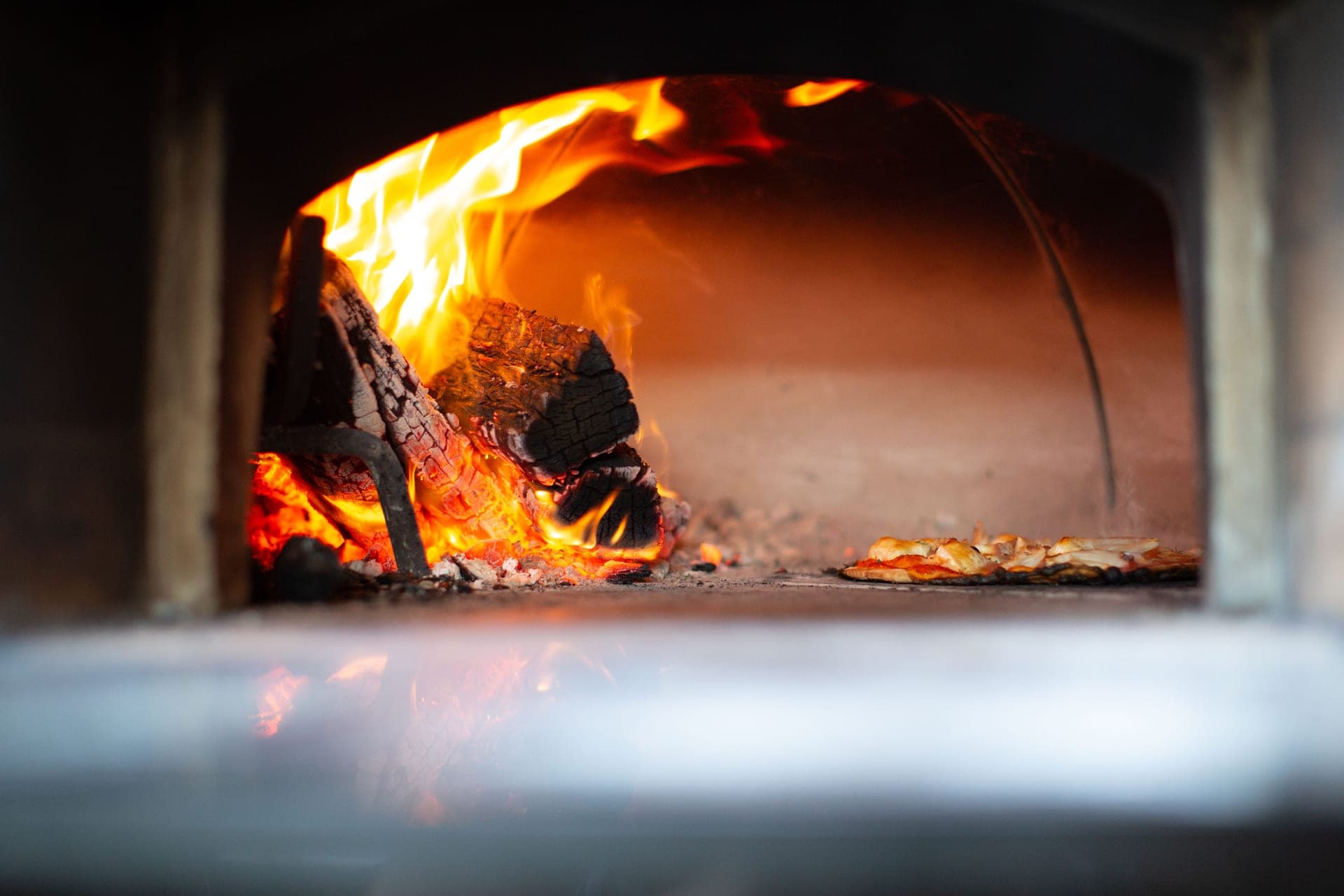
Same peak, same floor, same pizza size. One has a glass door and a thermometer; the other is 7.1 lb lighter and discounted as first generation.
Head-to-head
Ooni Karu 2 Pro vs Ooni Koda 16
Same 16 in pizza and same 950 F — one with a dial, one with a fire. What the fuel choice actually costs.
Head-to-head
Ooni Karu 2 vs Ooni Karu 2 Pro
Same 950 F, same 0.6 in floor. The Pro buys four inches, a published chamber and a food probe — and costs 29 lb.
Head-to-head
Ooni Koda 16 vs Gozney Arc XL
The two default 16 in gas ovens: 0.6 vs 0.8 in stone, 40.1 vs 58.5 lb, and one natural-gas option.
Head-to-head
Ooni Koda 16 vs Ooni Koda 2 Max
40 lb and 16 in against 95 lb and two independent zones — two different appliances rather than two sizes.
Head-to-head
Ooni Koda 16 vs Ooni Koda 2
One number is inches, the other is a generation. Same stone, same peak — so it comes down to two inches, 4.8 lb and a gas line.
Head-to-head
Ooni Koda 2 Max vs Gozney Arc XL
Same 950 F, same 0.8 in stone. One cooks two pizzas at once and weighs 95 lb; the other is 36.5 lb lighter and still moves.
Head-to-head
Ooni Koda 2 Pro vs Koda 2 Max
Same dual burners and same 0.8 in stone — separated by 29 lb, four inches and two inches of pizza.
Head-to-head
Ooni Koda 2 vs Ooni Koda 2 Pro
The only in-family gas upgrade Ooni sells that thickens the floor as well as widening the oven. Four inches, a second burner, a gas line — and 30.7 lb.
Head-to-head
Ooni Volt 2 vs Breville Pizzaiolo
850 F and adaptive control against 750 F and element-level control — two ovens for two different pizzas.
Head-to-head
Ooni Volt 2 vs Ninja Artisan
850 F against 700 F, 13.3 A against a published 15 A, indoor-rated against weather-resistant. One chases temperature, the other repeatability.
Head-to-head
Ooni vs Gozney
The two lineups on published specs — thicker stone against wider range, and the fuel options only one of them sells.
Head-to-head
Solo Stove Pi Prime vs Ooni Koda 2
Two inches of turning clearance against the only published BTU rating in the category.
Head-to-head
Which Ooni pizza oven should you buy?
Three families, eight ovens, and model numbers that mean two different things. Two questions sort the whole lineup.