Gas pizza ovens
The best rotating pizza ovens
A motor under the stone removes the most common cause of a half-burnt home pizza. It also adds a gearbox, a power source and a failure mode to an appliance that otherwise has none — and most makers in this class publish almost nothing.
The short answer
The HALO Versa 16 is the only rotating oven here that publishes enough to judge — a 16 in motor-driven stone, 950 F ambient and 750 F at the floor, a 21,100 BTU gas input and a five-year warranty. Below it the category thins out fast: the Mimiuo publishes a peak and a weight and nothing about its floor, and the VEVOR publishes almost nothing at all. Rotation genuinely works. The makers selling it hardest are the ones telling you least.
This is a small, strange corner of the category, and it is worth being clear about what it is for before looking at products.
What a rotating stone actually fixes
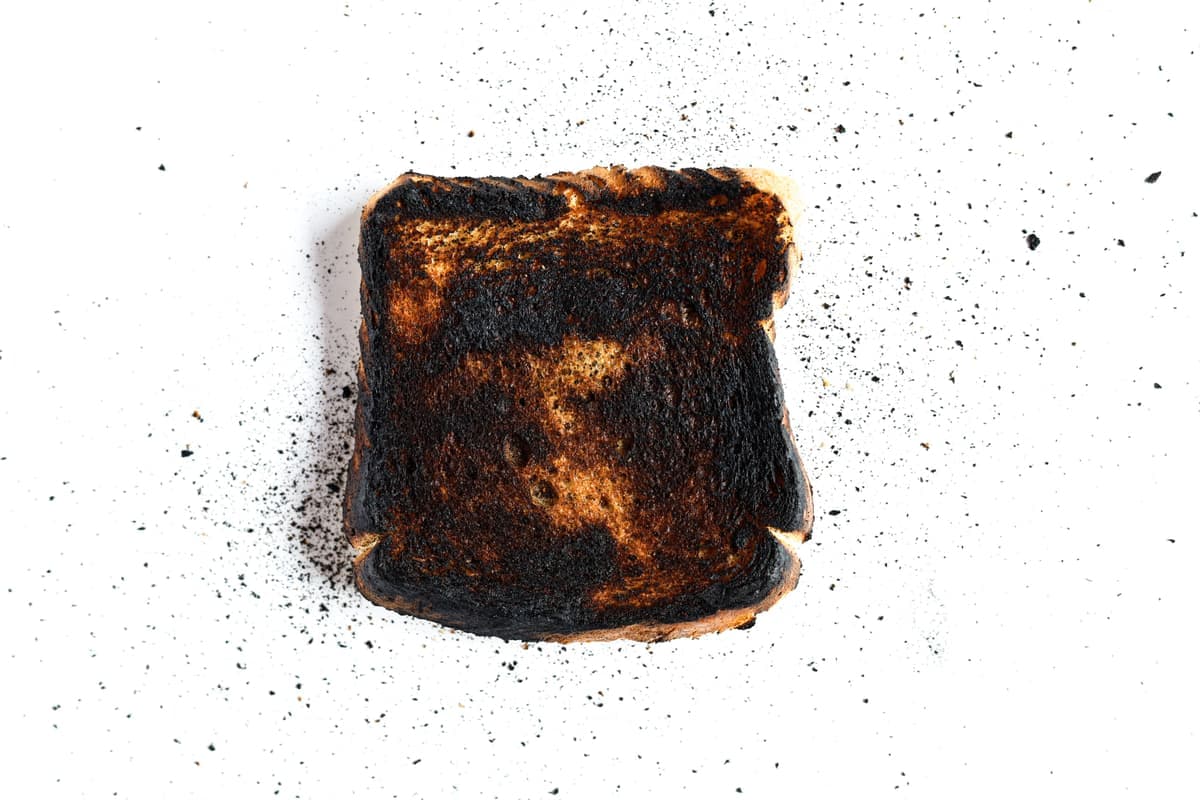
Every gas pizza oven on this site has its burner along one side or across the back. That means one edge of the pizza is always closer to the flame than the other, and left alone it burns while the far edge is still pale. The standard solution is to turn the pizza three or four times during a 90-second bake with a small turning peel.
A motor-driven stone does that for you, continuously and evenly. It is a real fix for a real problem — the same problem why one side burns is about — and it is the single most common reason a first home-made pizza comes out disappointing.
What it does not fix is launching, dough, preheat or stone thickness. A rotating oven with a thin floor still fades on the third pizza.
What rotation costs you, beyond money
- A power source in an outdoor appliance. The HALO runs its motor on two D cells or a supplied AC adapter; the VEVOR describes an electric rotation system. Either way there is now a thing that can run flat or need a socket.
- A mechanism at temperature. A gearbox and a bearing sitting under a stone at several hundred degrees is more to go wrong than a Koda has in total.
- A round, fixed stone. You are rarely able to swap a rotating floor for a thicker replacement, which is one of the few genuinely effective upgrades on a conventional oven.
- Published specs, in most cases. Two of the three ovens here do not publish a stone thickness, and only one publishes a burner rating.
What each maker publishes
| Oven | Peak | Stone | Gas input | Weight | Stone thickness |
|---|---|---|---|---|---|
| HALO Versa 16 | 950 F ambient, 750 F stone | 16 in, motor-driven | 21,100 BTU | 43.54 lb | not published |
| Mimiuo rotating gas | 932 F | 13 in, motor-driven | not published | 39 lb | not published |
| VEVOR rotating dual fuel | not published | 12 in capacity | not published | not published | not published |
Published figures. Blank means the maker does not state it. The HALO figures come from HALO's own product page and FAQ; the other two come from their retail listings, because neither maker publishes a specification page we could verify.
That table is the argument for the HALO in one picture. It is the only gas oven on this entire site other than the Solo Stove Pi Prime whose maker publishes a BTU input rating, and it is the only rotating oven here that states what the stone reaches as distinct from what the air reaches — which is the number that cooks the base.
Quick picks
Ranked for fit, not for hype. Every figure below is the maker’s own published number, and “n/p” means they do not publish it — which is itself worth knowing. Tap a row for the full write-up, or go straight to the listing.
| # | Oven | Best for | Max pizza | Weight | Price |
|---|---|---|---|---|---|
| 1 |  HALO Versa 16The only oven on this site whose stone turns itself, and the only gas oven here whose maker publishes a BTU rating. | Not having to turn the pizza | 16" | 43.54 lb | $449.00 · Check on Amazon-10% |
| 2 |  Mimiuo rotating gasA motor-driven 13 in stone on propane, published at 932 F with a 60-second bake. | Rotation on propane, at the lowest price it exists for | 13" | 39 lb | $284.99 · Check on Amazon-5% |
| 3 |  VEVOR rotating dual fuelPropane or wood pellets, an electric rotation system and a thermometer, for less than any other rotating oven here. | Rotation and a choice of fuel, at the bottom of the market | 12" | n/p | $229.90 · Check on Amazon |
Max pizza and weight are the makers’ published figures, sourced on each write-up below. Neither is a measurement we took, and no column here is a score — we have not cooked on these ovens and will not pretend otherwise.
Top pick · Not having to turn the pizza
HALO Versa 16 Propane Gas Outdoor Pizza Oven
HALO · Propane
The only oven on this site whose stone turns itself, and the only gas oven here whose maker publishes a BTU rating. Both facts are unusual enough to be the reason to buy it.
Published specification
- Max temperature
- 950 F ambient, 750 F stone, in about 12 minutes
- Stone
- 16 in cordierite, motor-driven, rotates 360 degrees. Thickness not published
- Gas input
- 21,100 BTU total. HALO's own FAQ splits this as 11,600 BTU rear and 9,500 BTU infrared
- External size
- 22.44" W x 24.59" D x 14.84" H
- Weight
- 43.54 lb unboxed, 55.12 lb shipping
- Fuel
- Propane, 1 lb canisters or 20 lb tanks. Natural-gas conversion kit HZ-3001-A sold separately
- Stone motor
- 2 D-cell batteries (not included) or the supplied AC adapter
- Warranty
- Five years against defects; electrical components and paint 1 year
What it does well
- The stone rotates under its own motor, which removes the most common cause of a half-burnt home pizza without requiring you to learn the turning technique
- HALO publishes a BTU input rating. Ooni, Gozney and Bertello publish none for any oven, which makes this the only 16 in gas oven here whose burner can be compared on paper at all
- A second, lower infrared burner is aimed at the stone specifically, which is how the oven recovers heat between bakes without relying on a thick floor
- Natural-gas conversion is a published product with a model number rather than a workaround, which is rare outside Ooni
What you give up
- The stone thickness is not published, and that is the specification that normally predicts recovery between bakes. You are trusting the lower burner to do the job mass does elsewhere
- The rotation motor is a moving part in a 950 F appliance, and it needs either batteries or an outlet within reach of the patio. No other oven here has an electrical requirement
- HALO's own FAQ and its retail listings disagree about which burner is 11,600 BTU and which is 9,500. The 21,100 total is consistent; the split is not
- At 43.54 lb it is heavier than an Ooni Koda 16 and has no folding legs, so it is a lift rather than a carry
Buy it if
Someone who wants a 16 in oven and does not want to stand over it turning a pizza every 20 seconds. Particularly a first buyer, or anyone cooking while also hosting.
Skip it if
Anyone chasing the thickest possible stone for back-to-back bakes, or anyone who wants an oven with no electrics in it at all.
Where these numbers came from
Pick 2 · Rotation on propane, at the lowest price it exists for
Mimiuo Auto-Rotating Gas Pizza Oven (Tisserie G-Oven)
Mimiuo · Propane
A motor-driven 13 in stone on propane, published at 932 F with a 60-second bake. It does the one thing the price bracket below it cannot do, and it publishes less about itself than any oven on this site.
Published specification
- Peak temperature
- 932 F (500 C)
- Stone
- 13 in round, rotating
- Weight
- 39 lb
- Bake time
- 60 seconds, per Mimiuo
- Preheat
- 10 to 15 minutes, per Mimiuo
- Included
- Stone, foldable peel, cover
- Stone thickness
- Not published
- Burner output
- Not published
What it does well
- Automatic rotation at roughly half the price of the HALO Versa 16, which is the only other rotating oven here
- Ships with the stone, a folding peel and a cover, so the accessory bill is not a second purchase
- 932 F is close enough to the 950 F the gas category publishes that the difference is not the reason to choose against it
- 39 lb with a folding peel is genuinely transportable
What you give up
- Publishes no stone thickness and no burner rating. Those are two of the four specifications this site ranks on
- A 13 in stone with a motor under it is a 12 in pizza in practice, and the published figure is the stone, not the pizza
- Rotation adds a motor, a gearbox and a power source to an outdoor appliance — more to go wrong than a Koda has in total
- No manufacturer product page we could verify: the published figures here come from the retail listing rather than from Mimiuo's own site
Buy it if
Someone who has decided rotation is the feature and does not want to spend HALO money.
Skip it if
Anyone who wants the stone thickness before they buy.
Where these numbers came from
Pick 3 · Rotation and a choice of fuel, at the bottom of the market
VEVOR Dual Fuel Auto-Rotating Pizza Oven, 12 in
VEVOR · Multi-fuel
Propane or wood pellets, an electric rotation system and a thermometer, for less than any other rotating oven here. It publishes almost nothing, and that is the trade you are making.
Published specification
- Fuel
- Propane and wood pellet
- Pizza size
- 12 in
- Rotation
- Electric rotation system
- Thermometer
- Fitted
- Peak temperature
- Not published
- Stone thickness
- Not published
- Weight
- Not published
What it does well
- The cheapest way to get a rotating stone at all, by a wide margin
- Dual fuel means you can run it on gas on a weeknight and pellets when you want the smoke, the same argument multi-fuel ovens make
- Fitted thermometer, which several more expensive ovens leave off
What you give up
- Publishes no peak temperature, no stone thickness and no weight. There is very little here to judge, and this site judges on published figures
- VEVOR is a marketplace house brand. The stone and steel it sells are simple objects where that matters less; a combustion appliance with a motor is not a simple object
- Two fuel systems and a rotation motor in the cheapest product in the category is a lot of mechanism per dollar
- No manufacturer specification page we could verify — everything above is from the retail listing
Buy it if
A buyer who wants rotation and has a hard budget.
Skip it if
Anyone who would be annoyed to discover the peak temperature after they bought it.
Where these numbers came from
Rotation against the rest of the category
Put the HALO next to the conventional 16 in ovens and the trade becomes clear.
| Oven | Fuel | Max pizza | Peak temp | Stone | Weight |
|---|---|---|---|---|---|
| HALO Versa 16 | Propane | 16" | 950 F | not published | 43.54 lb |
| Ooni Koda 16 | Propane | 16" | 950 F | 0.6" | 40.1 lb |
| Gozney Arc | Propane | 14" | 950 F | 0.8" | 47.5 lb |
The rotating 16 in oven against two conventional ones. Published specifications only.
The HALO is lighter than both and publishes a BTU rating neither of the others does. What it gives up is stone thickness — it does not publish one, where Ooni publishes 0.6 in and Gozney 0.8 in — and that is the specification that governs how the oven behaves across consecutive pizzas. The 16 inch roundup sets the whole size class against each other.
The cheaper end of this class deserves a warning
Rotation is a feature that photographs well, and there is a large tier of ovens below the HALO built around it. Most are house brands with no manufacturer specification page at all, which means every figure anyone can quote comes from the retail listing.
This site ranks on published specifications, and an oven that publishes no peak temperature and no stone thickness cannot be ranked on them — it can only be described. Both of the cheaper picks below are described honestly for that reason, with the blanks left visible. If those blanks bother you, that is the correct reaction, and the methodology page explains why we leave them rather than fill them.
Or buy the turning peel instead
The unglamorous version: a small turning peel costs a tiny fraction of the cheapest oven here and solves exactly the same problem, at the cost of your attention for ninety seconds. Turning technique is a ten-minute skill, not a talent.
Rotation is worth paying for if you cook for a crowd and cannot stand at the oven, if you have a mobility reason to avoid reaching into a hot chamber repeatedly, or if you simply do not want that job. Those are all good reasons. "Because turning is hard" is not one of them.
How these picks were made
We did not cook on these ovens. Every figure on this page is the maker’s or the listing’s published specification, cited on each write-up so you can check it in one click. The ranking comes from matching those published capabilities to a stated use case — space, pizza size, fuel, and how many pizzas you cook in a row. Where a maker does not publish a number, we say so instead of estimating one.
The full version of that argument, including what we deliberately do not claim, is on our methodology page.
Questions people actually ask
+Are rotating pizza ovens worth it?
+Which pizza ovens have a rotating stone?
+Does a rotating stone cook pizza faster?
+What powers the rotating stone?
+Can you turn the rotation off?
Sources for this page