Crust & Coal
Pizza oven gear: what you need, and what you do not
Four things change the result. The rest is a shelf of things you will use once. This hub separates them, and it is honest about which is which.
The accessory aisle for this category is enormous and mostly optional. Four purchases genuinely change what comes out of the oven, and they are not the four the bundles push hardest.
The four that matter
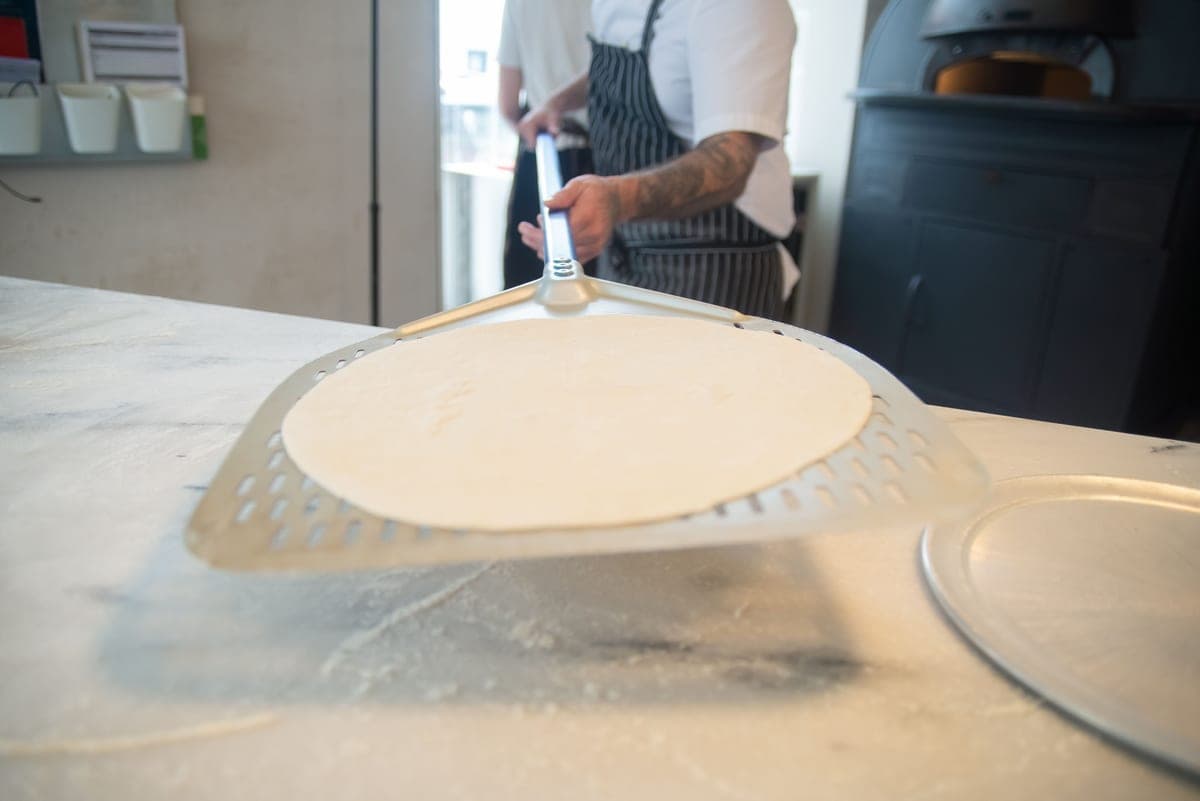
A perforated launching peel. The single highest-impact accessory, and the one most likely to already be in a bundle. Perforations let the excess flour fall off the base before the pizza goes in, which is the difference between a clean bake and a floor of burnt semolina that smokes for the rest of the evening. Size it to the oven mouth, not to the pizza — a 14 inch peel does not pass comfortably through a 12 inch mouth. The peels roundup covers the sizing properly.
An infrared thermometer that reads past 1000 F. Your oven's built-in dial thermometer, if it has one, measures air temperature somewhere near the roof. The pizza does not touch that. It touches the stone, and the stone can be 150 F off the reading in either direction depending on how long you preheated. The single most common mis-purchase in this whole category is a thermometer that tops out at 716 F, which is below the working temperature of every gas oven on this site. The thermometer roundup is largely about that one specification.
A turning peel, if your oven has a single burner. Small round head, long handle, one job: pivot the pizza in place so the edge facing the flame changes. Without one you are lifting the pizza off the stone with a full-size peel, which loses floor contact at exactly the moment the base is cooking. See the turning technique.
A cover. The cheapest item on this site and the one that most reliably prevents a repair bill. Water sitting in a burner tube through a winter is the standard way an outdoor oven dies.
The ones that depend
A stand or table is essential if your oven is over about 40 lb and currently living on patio furniture, and unnecessary if you already have a rated outdoor counter. A replacement stone matters if yours cracked or if your oven shipped with a thin one — the difference between a 0.4 inch and a 0.67 inch floor is real, and the stones and steels guide explains why. A baking steel is excellent in a domestic kitchen oven and actively wrong in a 950 F pizza oven, where its conductivity will scorch a base before the top is done.
The ones to skip
Dough-ball boxes, unless you make dough in batches of twelve. Branded pizza cutters, which are worse than a good knife. Oven-specific carry bags for ovens you will never carry. Most of all: infrared thermometers chosen on price without checking the temperature range, which is the mis-purchase this hub exists to prevent.
The general rule is that gear which changes the heat or the launch is worth money, and gear which changes the presentation is not. Everything in the first group is on this hub. Almost nothing in the second is.
Before buying any of it, check what is already in the box — some ovens include a peel, a cover or a thermometer, and every multi-fuel oven sells one of its two burners separately. And none of them include the dough kit: pizza dough accessories covers the scale, boxes and scrapers that change the dough rather than the heat.
Everything in this section
Peels, stones and tools
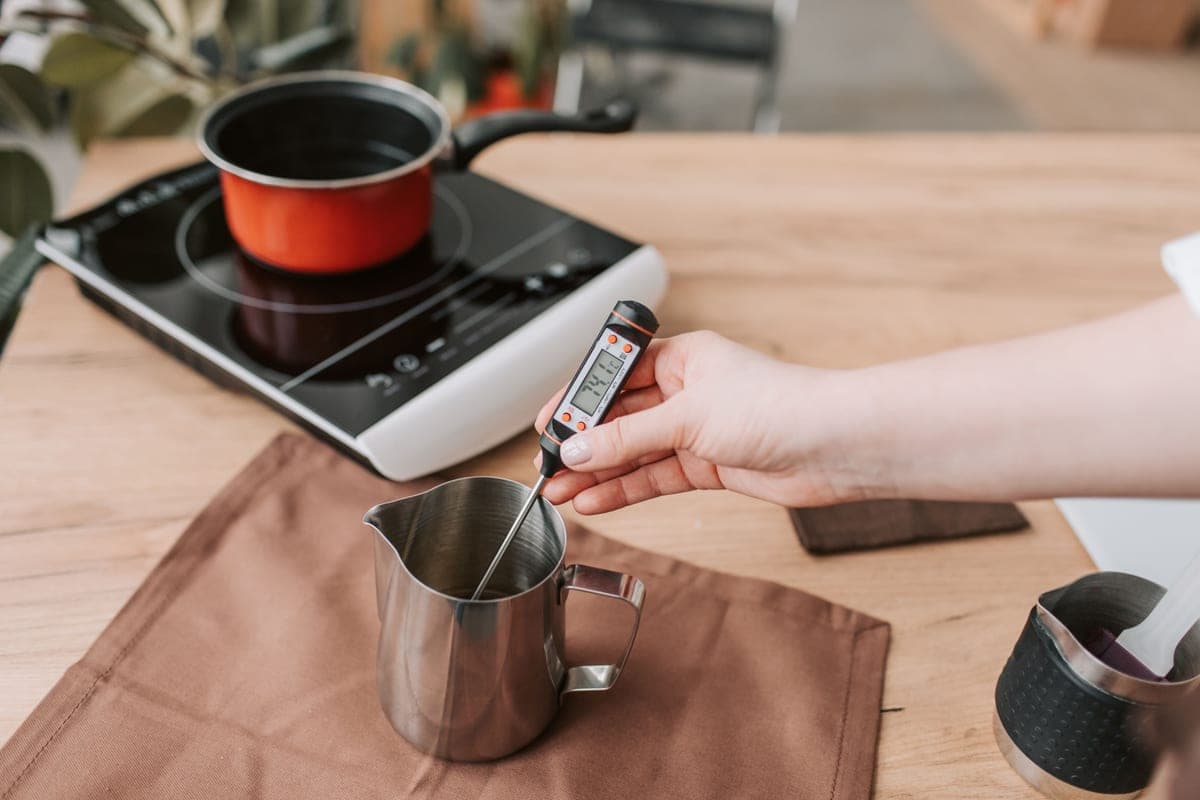
Best thermometer
The best infrared thermometers for a pizza oven
One specification decides it: a ceiling above 1,000 F. Plus the popular model that is 200 F too low.
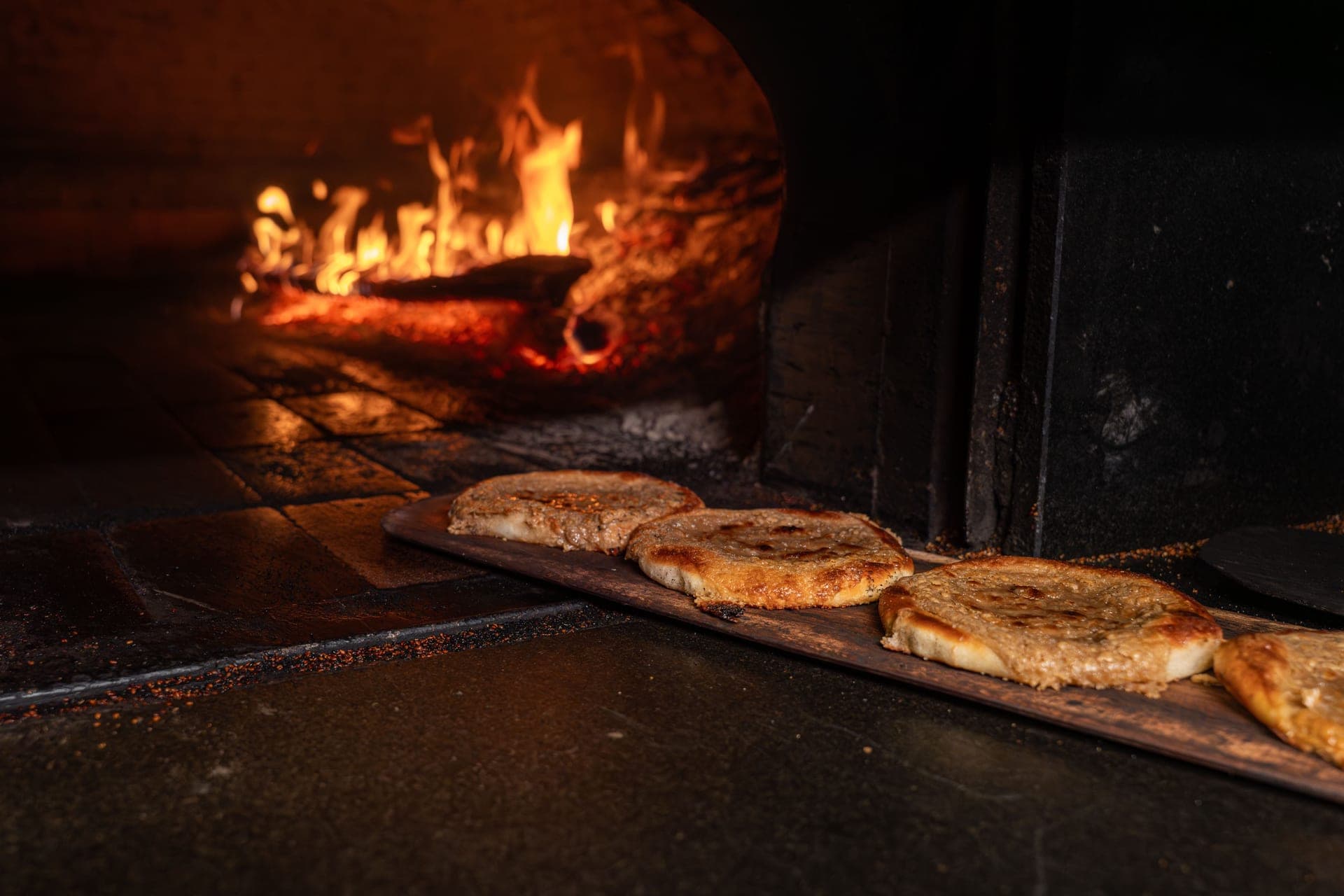
Best stone brush
The best pizza oven brushes and stone scrapers
The scraper does the work, the handle decides the fit, and the bristles have a documented safety record. Five tools compared.
Best oven cover
The best pizza oven covers, by oven
Covers are cut per model, so this is a fit guide: which ovens have a maker's own cover, what each publishes, and why waterproof and water repellent are different words.
Best oven gloves
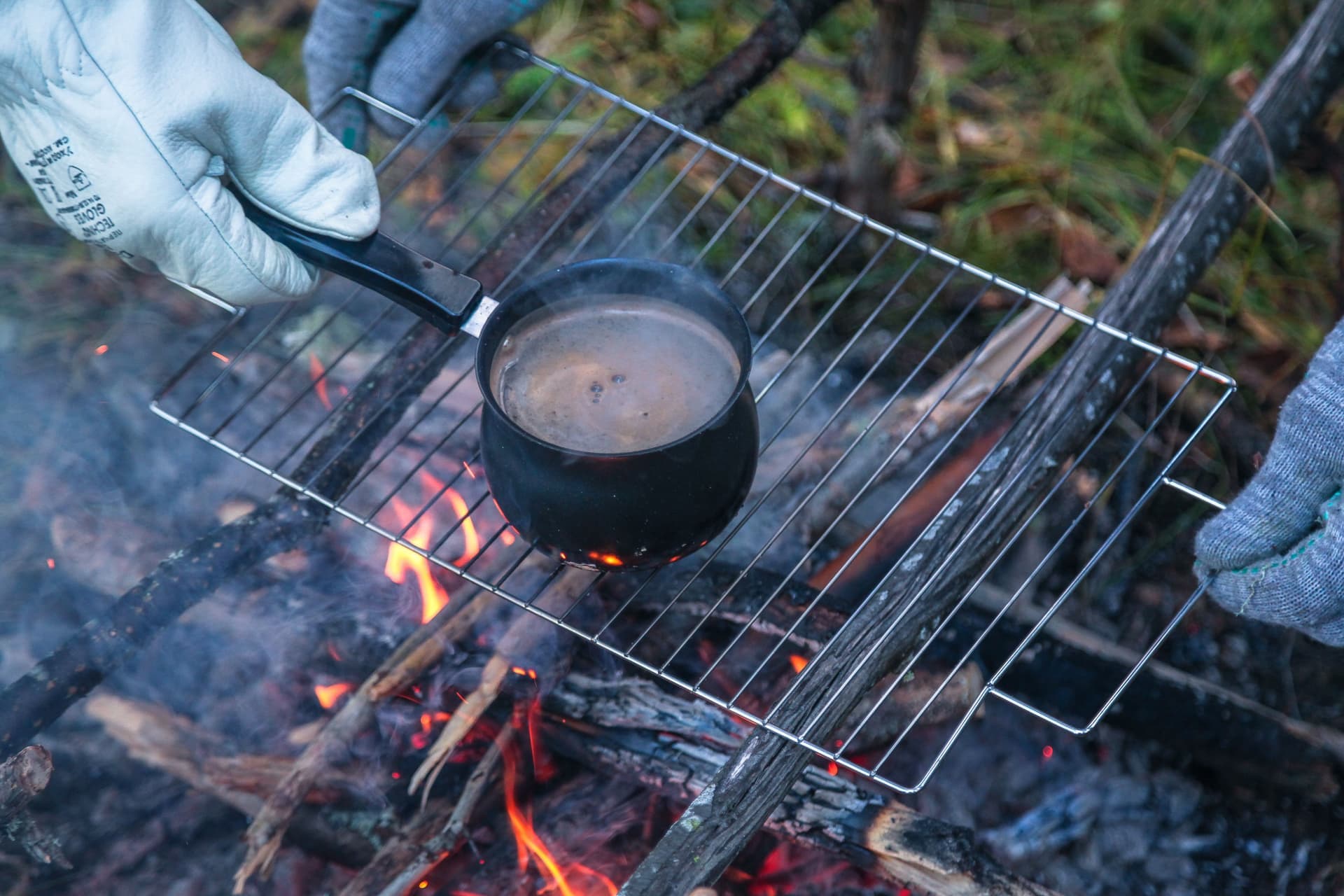
The best pizza oven gloves
Every glove advertises a temperature; two publish how long it lasts. The rating with a duration, the standard worth naming, and the 1,472 F claim to ignore.
Best pizza peel
The best pizza peels, and how to size one
Perforated, solid and turning peels — plus the sizing rule that decides whether a launch works.
Best grill stone
The best pizza stones for a grill, kamado or smoker
A grill heats a stone from one side, harder than an oven does. Which stones are rated for it, which shape fits your grill, and the famous one that is not.
Best grill-top conversion
Grill-top pizza ovens: what actually turns a grill into one
Four ways to put a roof over a pizza on an appliance you already own — and the honest answer about what Blackstone does and does not sell.
Best dough tools
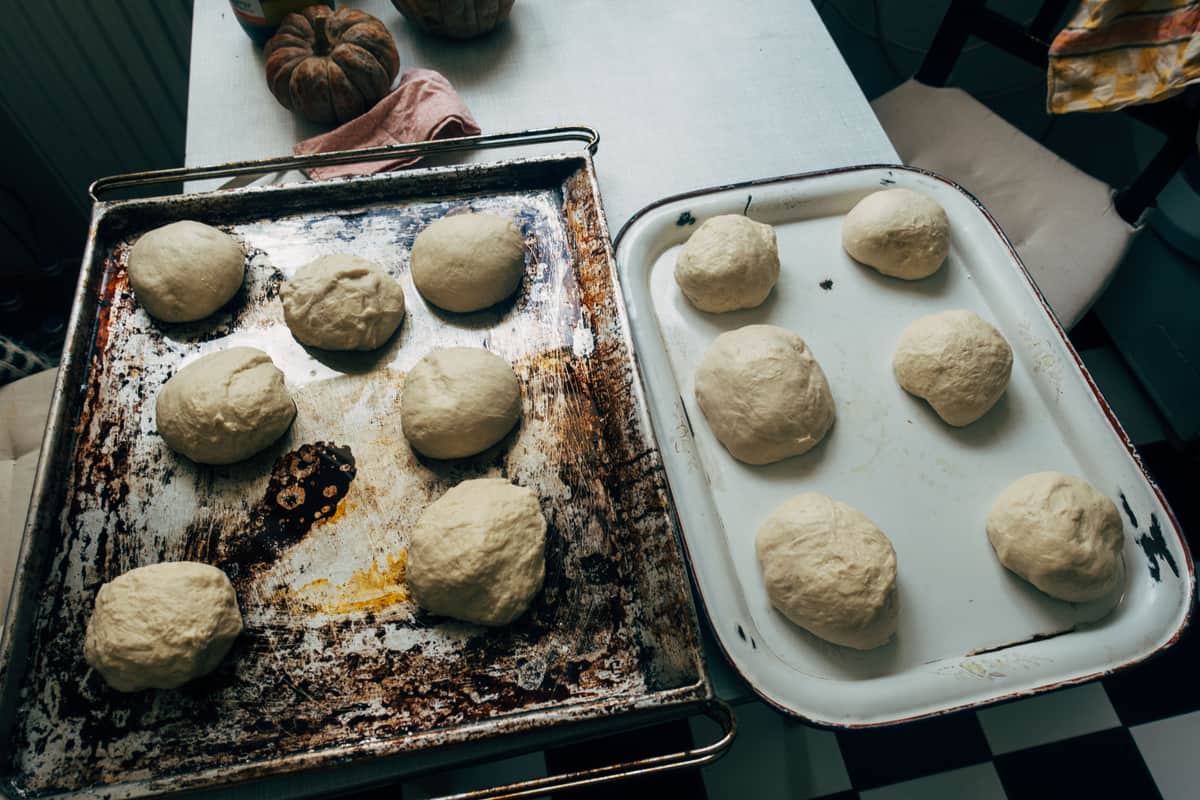
Pizza dough accessories: the five that actually change the dough
Scale, proofing box, scrapers and dredger — ranked by how much each changes the dough, plus the one tool to avoid.
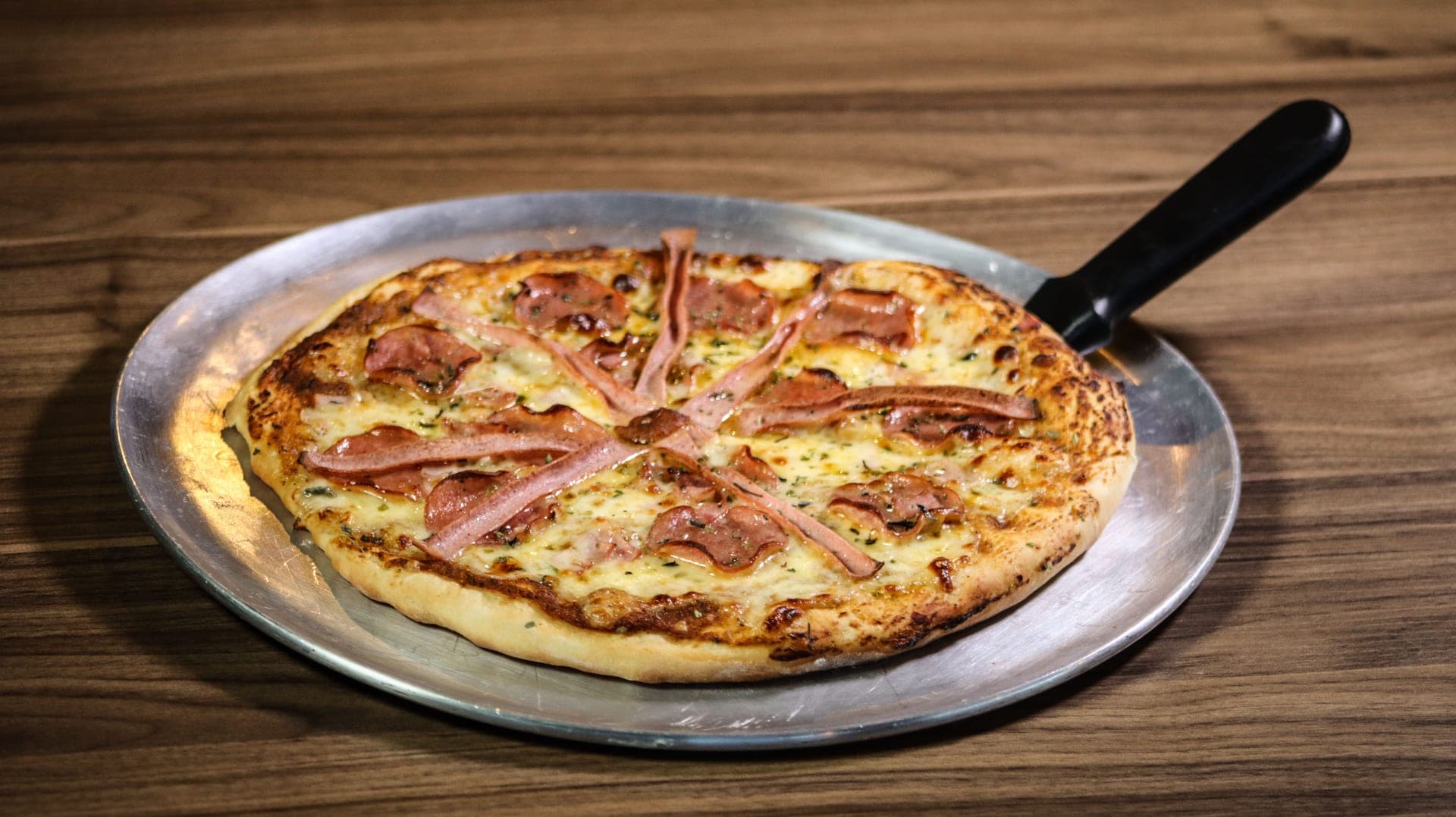
Best pizza screen
Pizza screens and pans: what belongs in a 950 F oven
A screen or a pan puts metal between the dough and the stone. When that trade is right, when it wrecks the base, and why a 450 F nonstick pan has no business in a 950 F oven.
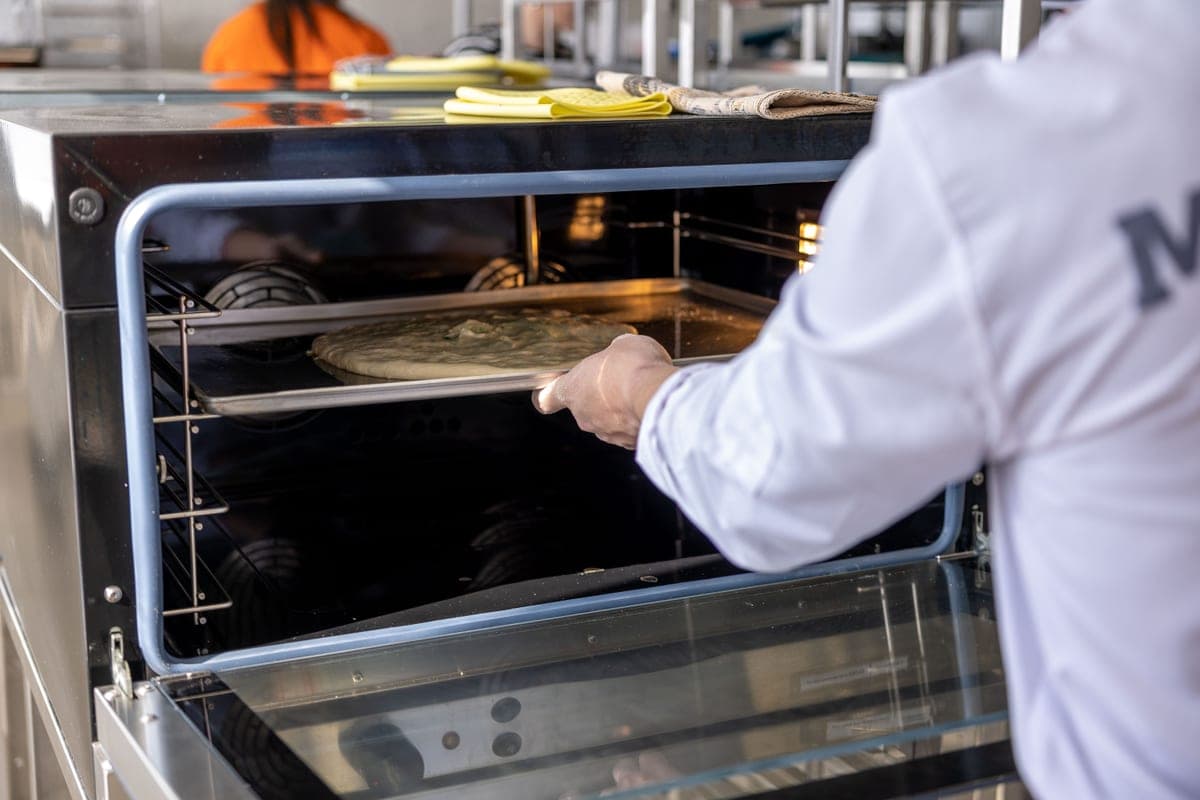
Best stone or steel
Pizza stones and steels: which belongs in which oven
Steel at 550 F, cordierite at 900 F — and why floor thickness decides how the fourth pizza turns out.
Guide
The four accessories that matter, and the rest
Four purchases change the pizza. Everything else is a shelf of things you will use once.
Guide
Covers: the cheapest thing that prevents the expensive repair
Water in a burner tube is how outdoor ovens die — and covering a warm oven causes the problem it prevents.
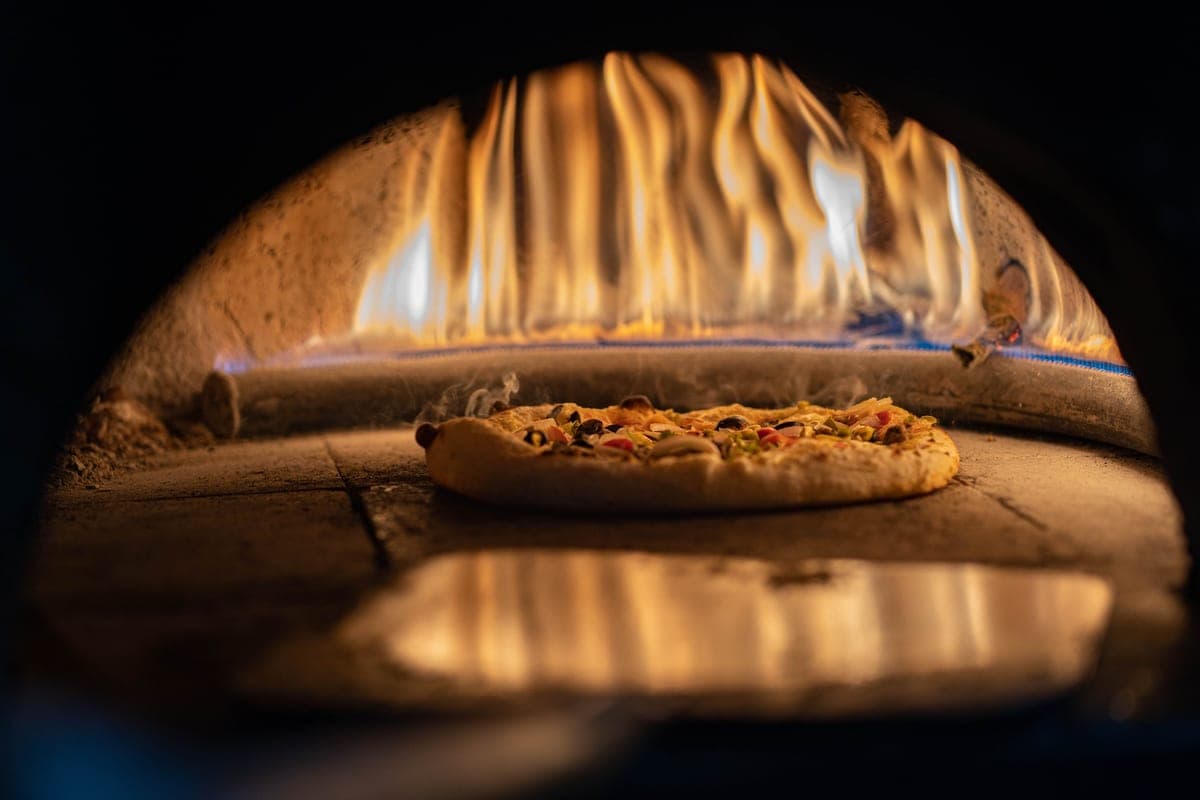
Guide
How to turn a pizza without wrecking it
Wait 30 seconds, then a quarter turn every 20 — pivoting on the stone, never lifting off it.
Guide
What's actually in the box
Which ovens arrive ready to cook, which need three more purchases, and the second-burner trap on every multi-fuel.