Heat and technique
Neapolitan or New York: which can your oven actually make?
These two styles want opposite things from an oven. Knowing which you are chasing changes what you should buy and how you should run it.
The short answer
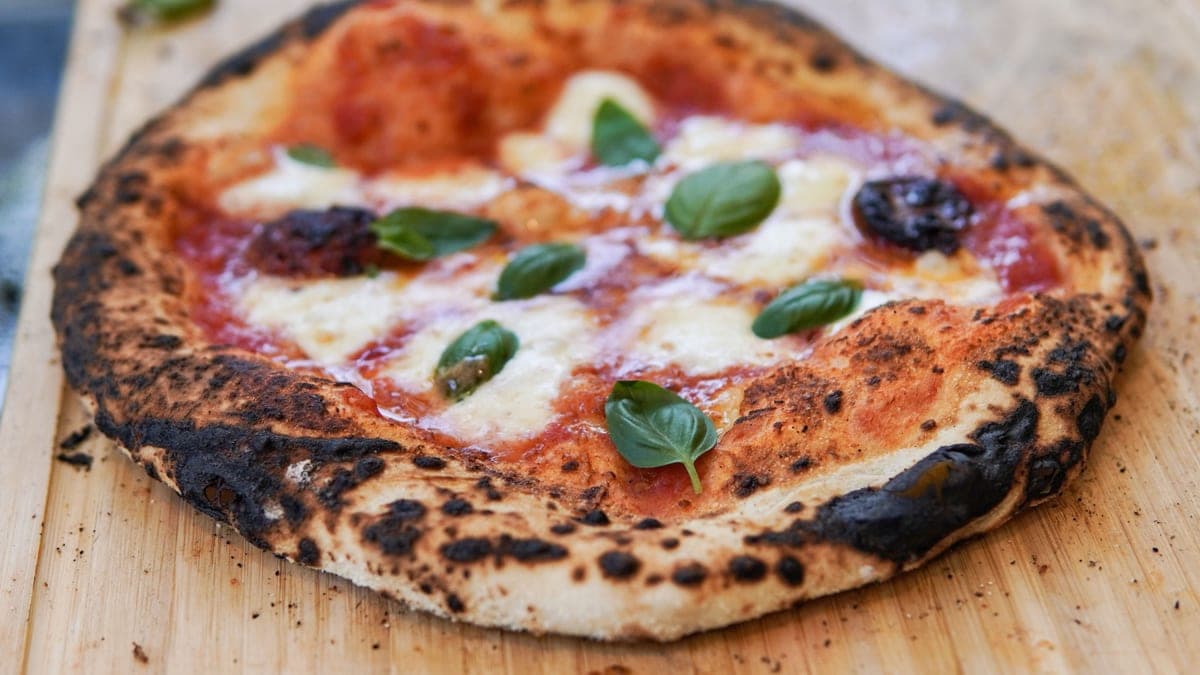
Neapolitan is 10 to 12 in, baked at a stone temperature of 800 to 900 F for 60 to 90 seconds, with a soft, pliable center and a blistered rim. New York is 16 to 20 in, baked at 550 to 650 F for four to six minutes, drier and foldable. Almost every home oven can do Neapolitan; very few are large enough for a genuine New York round.
The two styles want opposite things
| Neapolitan | New York | |
|---|---|---|
| Diameter | 10 to 12" | 16 to 20" |
| Stone temperature | 800 to 900 F | 550 to 650 F |
| Bake time | 60 to 90 s | 4 to 6 min |
| Dough | Flour, water, salt, yeast | Often includes oil and a little sugar |
| Crust texture | Soft, pliable, blistered rim | Drier, crisper, foldable |
| Cheese | Fresh mozzarella, torn | Low-moisture mozzarella, shredded |
| Eaten | With a knife and fork, immediately | By the slice, folded |
The practical differences that affect what oven you need and how you run it. Both are legitimate styles rather than one being a compromised version of the other.
Why home ovens favor Neapolitan
Two reasons, both structural. First, size: Neapolitan is a 10 to 12 in pizza, which every oven on this site can cook. A true New York round is 18 to 20 in, and only the Ooni Koda 2 Max at 24 by 21 in takes one.
Second, temperature: these ovens were designed around the Neapolitan bake. 950 F peak, 60-second cook, small chamber — that is a Neapolitan specification sheet, and it is what the whole category advertises on.
So the honest position is that a 12 or 16 in outdoor oven is a Neapolitan oven that can be run cooler to do other things. That is not a limitation so much as a design intent.
Making New York style at home
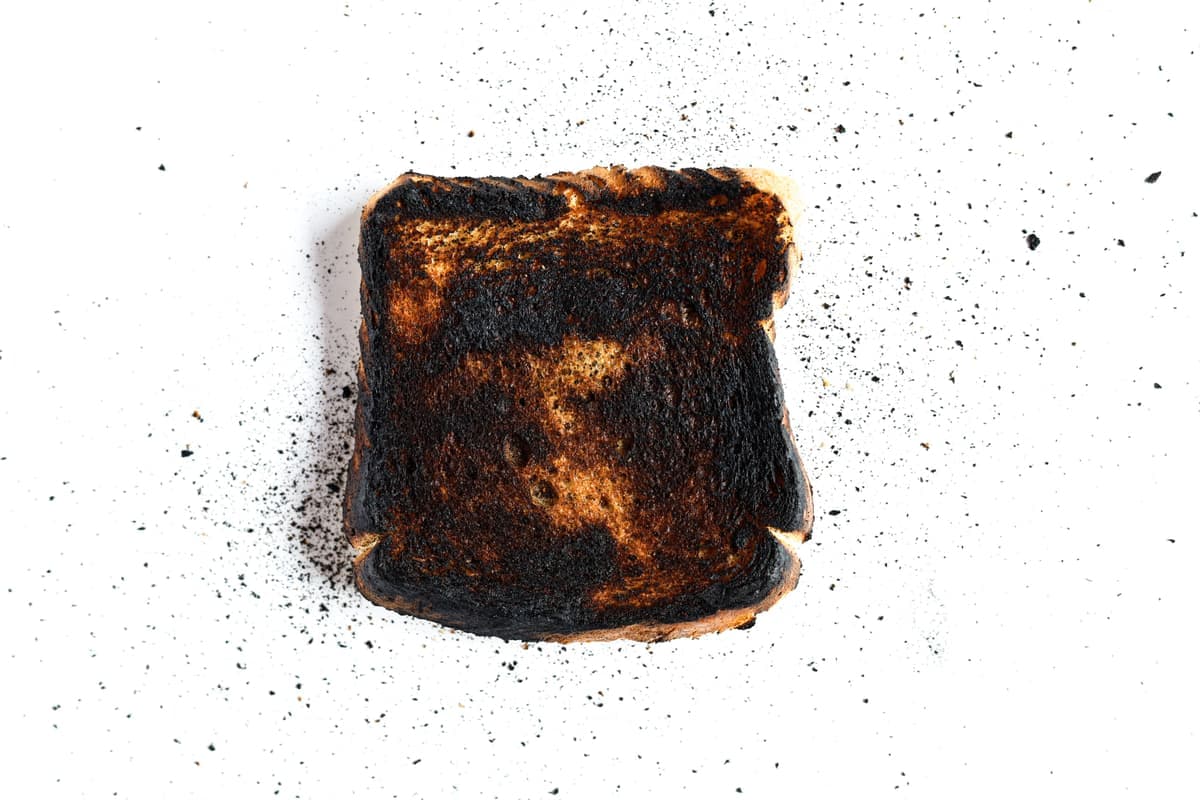
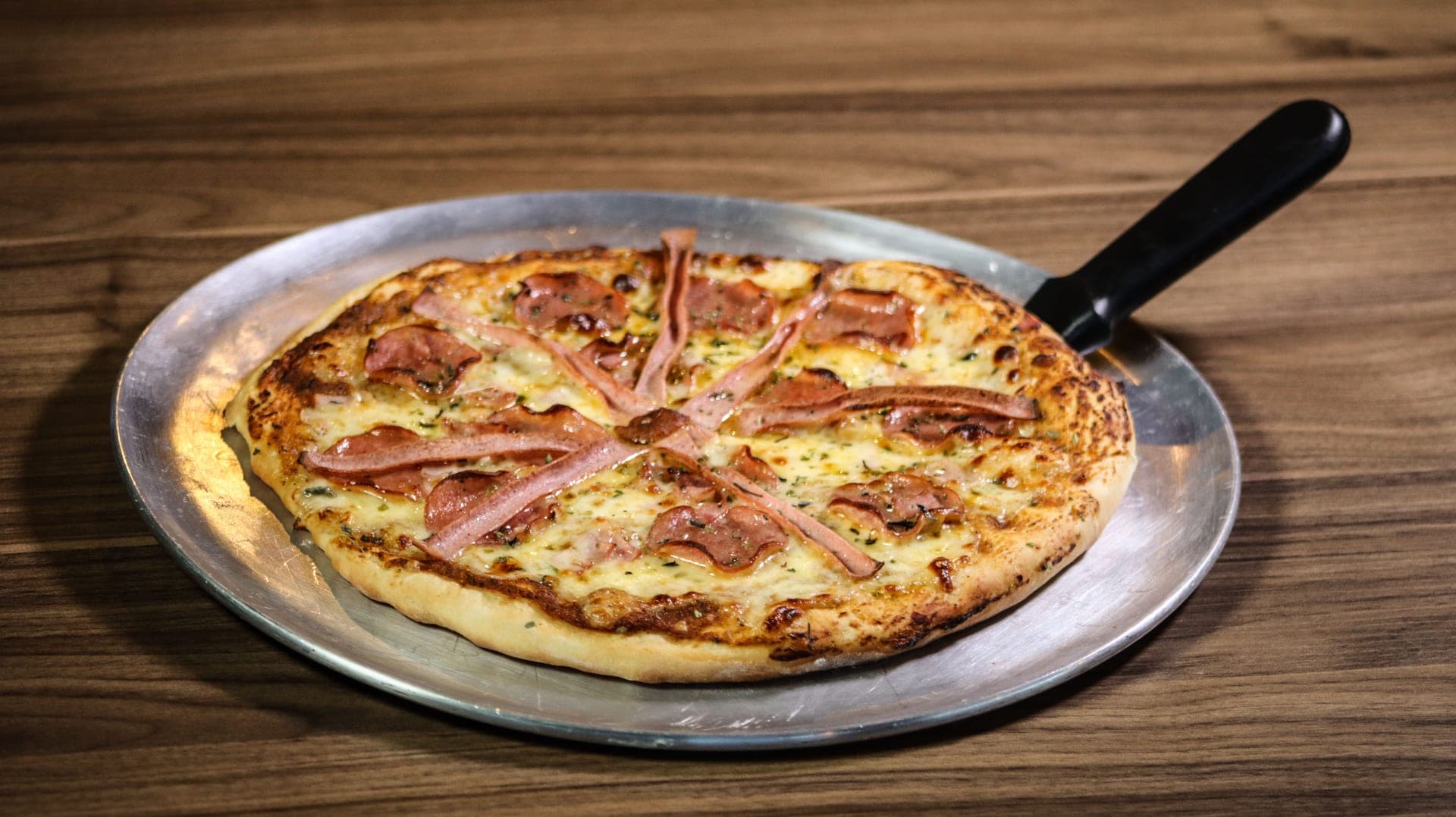
Two adjustments, and the second is the one people skip. Run the stone cooler — 550 to 650 F, not 900 F. A New York dough at 900 F burns underneath long before the cheese melts properly, which is fault 2 in the troubleshooting guide.
And scale the pizza down. A 14 in "New York style" pizza is a perfectly good pizza; it is just not the thing itself, because the fold and the slice geometry depend on the diameter. Accept 14 or 16 in and adjust the dough rather than trying to force 20 in into a chamber that does not have it.
Indoor ovens are actually well suited to this. The Breville Pizzaiolo's 750 F ceiling and its named New York preset are a better match for the style than a 950 F outdoor oven that has to be deliberately run down.
Quick picks
Ranked for fit, not for hype. Every figure below is the maker’s own published number, and “n/p” means they do not publish it — which is itself worth knowing. Tap a row for the full write-up, or go straight to the listing.
| # | Oven | Best for | Max pizza | Weight | Price |
|---|---|---|---|---|---|
| 1 |  Ooni Koda 16Still the most sensible first gas oven anyone buys. | The default first oven | 16" | 40.1 lb | $498.00 · Check on Amazon-23% |
| 2 |  Ooni Koda 2 MaxTwo independently controlled burners under a 24 x 21 in stone. | Cooking for a crowd | 20" | 95 lb | $1,298.94 · Check on Amazon |
| 3 |  Breville Pizzaiolo750 F and a manual mode that lets you choose which heating elements run. | Control over the individual elements | 12" | n/p | $999.95 · Check on Amazon |
Max pizza and weight are the makers’ published figures, sourced on each write-up below. Neither is a measurement we took, and no column here is a score — we have not cooked on these ovens and will not pretend otherwise.
Top pick · The default first oven
Ooni Koda 16 Propane Gas Pizza Oven
Ooni · Propane
Still the most sensible first gas oven anyone buys. 16 inches is the size where a 12-inch pizza stops feeling like a tight squeeze, and at 40 lb one person can carry it.
Published specification
- Max temperature
- 950 F (500 C), reached in about 20 minutes
- Stone
- 16 in cordierite, 0.6 in thick
- External size
- 25" L x 23.2" W x 14.7" H
- Weight
- 40.1 lb unboxed
- Fuel
- Propane, or a separate natural-gas version for a gas line
- Warranty
- 1 year standard, 5 years on registration with Ooni
- Gas input
- Ooni does not publish a BTU input rating for the Koda line
What it does well
- The 16 in stone is the real argument for this model over the 12 in ovens — a 12 in pizza sits inside it with room to turn, which is what actually stops a burnt edge
- One-piece body with folding legs: no assembly, and it is the largest oven here a single person carries comfortably
- There is a natural-gas variant, so a household with a gas line can stop buying cylinders entirely — rare in this category
What you give up
- 0.6 in stone stores less heat than the 0.8 in floors on the newer Koda 2 Pro and the Gozney Arc, so back-to-back bakes need a longer recovery pause
- Single burner across the back: no dual-zone control, so everything cooks at one temperature
- No door and no glass, so the heat you lose between launches is heat you re-earn with the flame
Buy it if
Someone buying their first serious outdoor oven who wants 16 in capacity and does not want to think about fuel beyond turning a dial.
Skip it if
Anyone who wants wood flavor, and anyone cooking two different things at once — that is the Koda 2 Pro or the Karu.
Where these numbers came from
Pick 2 · Cooking for a crowd
Ooni Koda 2 Max Propane Gas Pizza Oven
Ooni · Propane
Two independently controlled burners under a 24 x 21 in stone. It is the only oven here that genuinely cooks two different things at two different temperatures, and at 95 lb it is the only one that stops being portable.
Published specification
- Max temperature
- 950 F (500 C)
- Stone
- 24 x 21 in cordierite, 0.8 in thick
- Capacity
- One 20 in pizza, two 12 in, or three 10 in at once
- External size
- 31" L x 28" W x 17" H
- Weight
- 95 lb unboxed
- Burners
- Two, independently controlled — genuine dual-zone
- Included
- Ooni Connect digital temperature hub and one food probe
What it does well
- Dual independent zones are the feature nothing else at this size has: a 60-second Neapolitan on one side while a pan pizza bakes long and low on the other
- 0.8 in stone across 24 x 21 in stores enough heat that consecutive bakes stop degrading, which is the actual limit on every smaller oven
- A 20 in pizza means New York style is finally on the menu without cutting the dough down
What you give up
- 95 lb. This is furniture. Decide where it lives before it arrives, and read the surfaces and clearances guide first
- The footprint is 31 x 28 in — larger than many patio tables can carry safely, and larger than every small-space recommendation on this site
- You pay for two burners whether or not you ever run two zones; a single-zone cook does not need this oven
Buy it if
Households who feed six or more people at a time, or anyone who wants one appliance that does 60-second Neapolitan and long-bake pan on the same evening.
Skip it if
Balconies, small patios, and anyone who will need to move the oven between uses.
Where these numbers came from
Pick 3 · Control over the individual elements
Breville Smart Oven Pizzaiolo (BPZ820BSS)
Breville · Electric
750 F and a manual mode that lets you choose which heating elements run. It is the only indoor oven here that lets you deliberately char the base without cooking the toppings past done.
Published specification
- Max temperature
- 750 F
- Max pizza
- 12 in
- Presets
- Wood Fired, New York, Pan, Thin & Crispy, Frozen
- Manual mode
- Choose Crust Only (charred base) or Even Heat
- Control
- Element IQ element-by-element heat management
- Door
- Double-pane heat-resistant window, insulated chamber
- Included
- Pizza peel and pizza pan
What it does well
- Independent element control is the feature no other indoor oven offers, and it is the direct fix for a base that browns before the top does
- Named presets for New York and pan styles, not just a temperature dial — the styles most home cooks actually make
- A peel and a pan are in the box
- Insulation good enough that the kitchen does not heat up around it
What you give up
- 750 F is 100 F below the Volt 2 and 200 F below every outdoor gas oven here. Neapolitan is genuinely out of range
- Breville does not publish a stone thickness or unit weight in the listing specification
- The wattage is not stated on the listing either, so you cannot check its circuit draw on paper the way you can with the Volt 2
Buy it if
The indoor cook who makes New York and pan pizza and wants deliberate control over browning.
Skip it if
A Neapolitan target, or anyone who needs to know the amperage before buying.
Where these numbers came from
The dough is genuinely different
Neapolitan dough is traditionally four ingredients: flour, water, salt and yeast. No oil, no sugar. That is not purism — at 900 F, sugar and oil accelerate browning, and a dough that browns faster than it cooks is a burnt dough. Those four ingredients are ratios by weight, which is the whole argument for the scale on pizza dough accessories. The high-heat dough guide covers the mechanism.
New York dough commonly includes oil for pliability and sometimes a small amount of sugar for color, both of which are safe at 600 F over five minutes and would be a problem at 900 F over ninety seconds.
Cheese follows the same logic. Fresh mozzarella carries a lot of water, which a 90-second bake does not have time to drive off — hence torn and drained rather than sliced. Low-moisture mozzarella survives a five-minute bake without weeping, which is why New York style uses it.
Which should you make?
Neapolitan if you have a 12 to 16 in outdoor oven, because it is what the equipment was built for and the feedback loop is fast — 90 seconds per attempt means a lot of learning in an evening.
New York if you have an indoor oven, if you feed a crowd from fewer pizzas, or if you want leftovers that reheat. And if you specifically want a genuine 20 in round, that requirement narrows your oven choice to exactly one.
There is a third family of styles this page leaves out because they are not baked on stone at all. Detroit, Sicilian, Grandma and Chicago are made in a pan, and the pan is the recipe rather than an accessory — pizza screens and pans covers which ones belong in a hot oven and which are rated for a kitchen one.
How these picks were made
We did not cook on these ovens. Every figure on this page is the maker’s or the listing’s published specification, cited on each write-up so you can check it in one click. The ranking comes from matching those published capabilities to a stated use case — space, pizza size, fuel, and how many pizzas you cook in a row. Where a maker does not publish a number, we say so instead of estimating one.
The full version of that argument, including what we deliberately do not claim, is on our methodology page.