Heat and technique
What a pizza oven actually costs to run
Less than almost anyone expects, and the calculation is simple where the makers publish a rating. Most do not — so here is the working, and the gaps.

The short answer
Fuel is a small cost. A 15,000 BTU propane oven run for a one-hour session uses about 0.7 lb of propane — roughly a twenty-eighth of a 20 lb cylinder. A 1,600 W electric oven run for an hour uses 1.6 kWh. In both cases the preheat, not the cooking, dominates, and the per-pizza energy cost lands in pennies rather than dollars.
Propane: the arithmetic
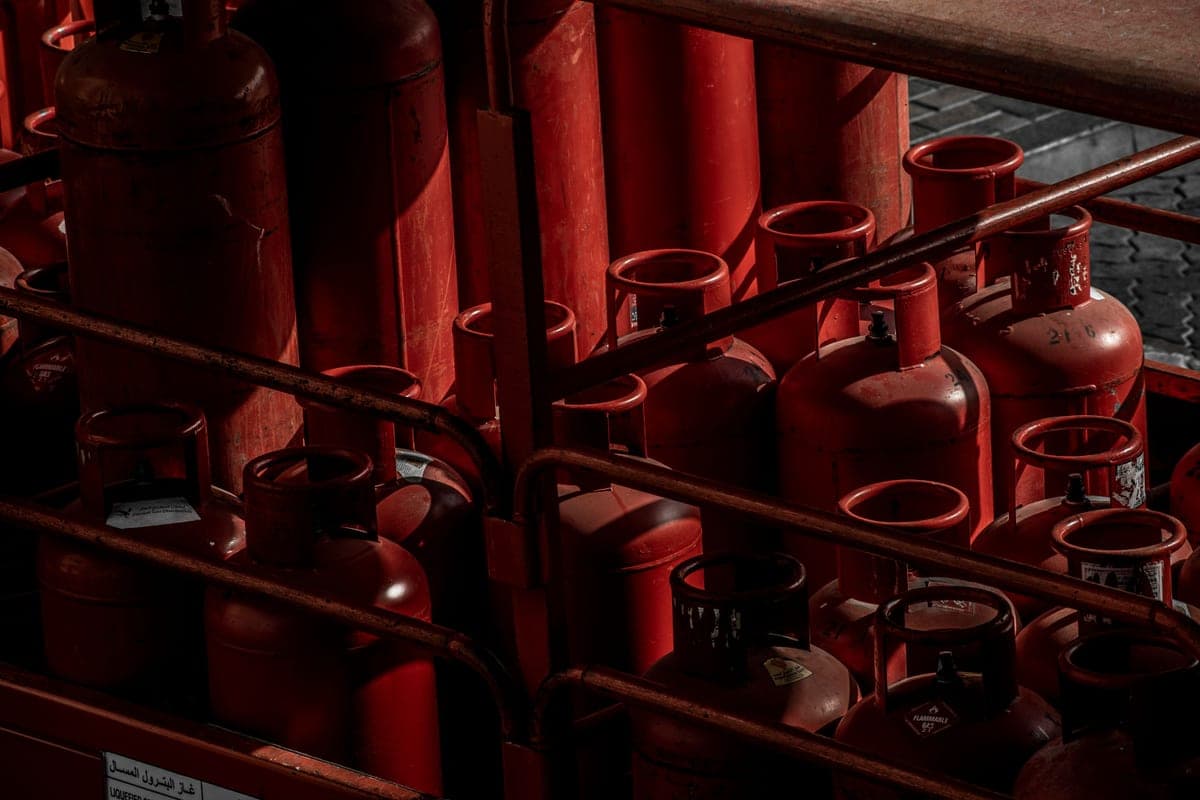
Propane carries about 21,500 BTU per pound, so a 20 lb cylinder holds roughly 430,000 BTU. Divide that by a burner's rating and you get hours of continuous operation at full output.
For the Solo Stove Pi Prime's published 15,000 BTU, that is about 28.7 hours in theory — and Solo Stove publishes up to 20 hours on high, which sits comfortably inside the physics. A typical session, including a 20-minute preheat, runs about an hour and does not spend all of it at maximum.
| Session | Energy used | Propane used | Share of a 20 lb cylinder |
|---|---|---|---|
| 20 min preheat at full | 5,000 BTU | 0.23 lb | about 1.2% |
| 1 hour total, mixed output | about 15,000 BTU | about 0.7 lb | about 3.5% |
| A full 20 lb cylinder | 430,000 BTU | 20 lb | 100% |
Propane consumption at a published 15,000 BTU/h rating. Only the Solo Stove Pi Prime publishes a burner rating among the ovens on this site, so this is the one oven for which this table can honestly be produced.
So a cylinder covers roughly 25 to 35 pizza evenings. Multiply the cost of a refill by that fraction and the fuel cost per evening is small — and per pizza, once you have cooked four or five in a session, it is genuinely trivial. The runtime guide goes further into how to measure what is left.
The numbers we cannot give you
Ooni publishes no BTU input rating for the Koda line. Gozney publishes none for the Arc family or the Roccbox. Bertello publishes none. Without a burner rating there is no way to run the calculation above, and any site presenting one has invented the input.
That is worth stating plainly rather than papering over, because "what does it cost to run" is a reasonable question and for most of this category the honest answer is that the manufacturer has not published enough to answer it.
Electric: easier, because wattage is on the label
Electric consumption is straightforward. Watts divided by 1,000, multiplied by hours, gives kWh, and your utility bill has a price per kWh on it. Running cost is rarely what decides a purchase in this category, though — if you are still weighing it up, are pizza ovens worth it is the more useful question.
| Oven | Rated power | 1 hour at full draw | 20 min preheat |
|---|---|---|---|
| Ooni Volt 2 | 1,600 W | 1.6 kWh | 0.53 kWh |
| Ninja Woodfire OO101 | 1,700 W | 1.7 kWh | 0.57 kWh |
Electric consumption from published wattages. Real usage is lower than these figures because ovens cycle their elements once at temperature rather than drawing continuously.
Multiply by your own rate per kWh for the actual figure — we deliberately do not quote a national average, because electricity prices vary by more than a factor of three across regions and a made-up average would be worse than no number.
Note that these are full-draw figures. Once at temperature, an oven cycles its elements rather than drawing continuously, so real consumption is meaningfully lower. Breville does not publish a wattage for the Pizzaiolo, so it cannot be included.
Quick picks
Ranked for fit, not for hype. Every figure below is the maker’s own published number, and “n/p” means they do not publish it — which is itself worth knowing. Tap a row for the full write-up, or go straight to the listing.
| # | Oven | Best for | Max pizza | Weight | Price |
|---|---|---|---|---|---|
| 1 |  Solo Stove Pi PrimeA demi-dome over a cordierite stone, 304 stainless throughout, and — almost uniquely here — a published 15,000 BTU bu... | The one maker that publishes its burner rating | 12" | 30 lb | $399.99 · Check on Amazon |
| 2 |  Ooni Volt 21600 W on a standard 120 V outlet, and 850 F on a stone floor. | 850 F on a normal kitchen outlet | 12" | 38.8 lb | $698.95 · Check on Amazon |
| 3 |  Ninja Woodfire OO1011,700 W outdoors, 105 F to 700 F, and a pellet box that puts genuine wood smoke into an electric oven. | Electric outdoors, with real smoke | 12" | 32.4 lb | $287.27 · Check on Amazon-28% |
Max pizza and weight are the makers’ published figures, sourced on each write-up below. Neither is a measurement we took, and no column here is a score — we have not cooked on these ovens and will not pretend otherwise.
Top pick · The one maker that publishes its burner rating
Solo Stove Pi Prime Propane Pizza Oven
Solo Stove · Propane
A demi-dome over a cordierite stone, 304 stainless throughout, and — almost uniquely here — a published 15,000 BTU burner and a published 20-hour runtime on a 20 lb cylinder.
Published specification
- Max temperature
- 950 F; about 15 minutes to preheat
- Bake time
- Listing states 90 seconds, not 60
- Opening
- 13 in wide
- Body
- 20.5 in wide x 15.5 in tall, 304 stainless steel
- Weight
- About 30 lb
- Burner
- 15,000 BTU
- Fuel runtime
- Up to 20 hours on high from a 20 lb LPG cylinder
What it does well
- Solo Stove publishes both a BTU figure and a tank runtime. Almost nobody else in this category does, and it is the reason our propane runtime guide can use real arithmetic
- The demi-dome pushes heat back down onto the pizza rather than out the front — a genuinely different shape from the flat-top Kodas
- 304 stainless rather than powder-coated carbon steel: the better material for something that lives outdoors
- About 30 lb, so it stays in the carry-it-yourself class
What you give up
- The listing's own claim is a 90-second bake, not 60. That is an honest number and it is also a slower oven
- 13 in opening means 12 in pizzas, and the stone thickness is not published
- Propane only, and the wide mouth that makes turning easy also loses heat faster on a cold evening
Buy it if
The buyer who wants to compare burners on paper before buying, and who values a stainless body outdoors.
Skip it if
Anyone who has decided 16 in is the minimum.
Where these numbers came from
Pick 2 · 850 F on a normal kitchen outlet
Ooni Volt 2 Electric Indoor Pizza Oven
Ooni · Electric
1600 W on a standard 120 V outlet, and 850 F on a stone floor. It is the only oven here that turns a kitchen counter into something close to a pizzeria deck.
Published specification
- Power
- 120 V / 1600 W, standard North America Type B plug
- Temperature
- 70 F to 850 F (450 C)
- Stone
- Cordierite, 0.4 in (10 mm)
- External size
- 21.5" x 17.4" x 10.4"
- Opening height
- 3.6 in
- Weight
- 38.8 lb
- Body
- Powder-coated carbon steel, triple-paned tempered glass door
- Placement
- Indoor use only
What it does well
- 1600 W draws about 13.3 A, which fits inside a standard 15 A North American kitchen circuit — that is the whole reason this oven is practical. See power requirements
- A proof mode that goes down to 70 F means the same appliance proofs the dough it later bakes
- Triple-paned glass and a filtered exhaust are why this can live in a kitchen and a Koda cannot
- 850 F is roughly 300 F hotter than a domestic oven's maximum, which is the entire difference in crust
What you give up
- 0.4 in stone is the thinnest floor in this registry. Consecutive bakes need recovery time and the oven's control system spends its effort managing exactly that
- 850 F, not 950 F: a true 60-second Neapolitan is out of reach and Ooni does not claim it
- 3.6 in of opening height rules out deep pan builds
- Indoor use only, stated by Ooni — this is not an outdoor oven that also works inside
Buy it if
Apartments, winter, and anyone whose real obstacle is that the oven has to live indoors.
Skip it if
Anyone whose target is a 60-second, 950 F Neapolitan.
Where these numbers came from
Pick 3 · Electric outdoors, with real smoke
Ninja Woodfire 8-in-1 Outdoor Oven (OO101)
Ninja · Electric
1,700 W outdoors, 105 F to 700 F, and a pellet box that puts genuine wood smoke into an electric oven. It is the only appliance here that bridges the electric and wood-fired arguments.
Published specification
- Power
- 1,700 W at 120 V, rated 15 A, per SharkNinja. The Amazon listing's technical details say 1,760 W
- Temperature range
- 105 F to 700 F
- Smoke
- Half a cup of pellets per cook, in a dedicated box
- Size
- 21.5" L x 18" W x 15.1" H
- Weight
- 32.4 lb
- Functions
- Eight, including pizza, smoker, roast, bake and dehydrate
- Placement
- Outdoor
What it does well
- Real wood smoke without a fire to manage — the pellet box is the honest middle ground in the wood versus gas argument
- The widest temperature range here by a distance: 105 F to 700 F covers dehydrating through pizza in one appliance
- Electric outdoors means no cylinders, no ash, and no tank runtime arithmetic
What you give up
- 1,700 W is about 14.2 A at 120 V, so it needs a 15 A circuit with nothing else running on it — under an amp of headroom. Check the outdoor circuit before buying — see power requirements
- 700 F is the lowest ceiling in this registry; the Neapolitan preset takes about 3 minutes, not 60 seconds
- It is eight appliances in one, which means it is not the best at any of them
Buy it if
A covered patio with a suitable outlet, and a cook who wants smoke flavor without tending a fire.
Skip it if
Indoors, high-temperature Neapolitan, or an outdoor circuit it has to share.
The costs that actually add up
Fuel is not where the money goes. In practice:
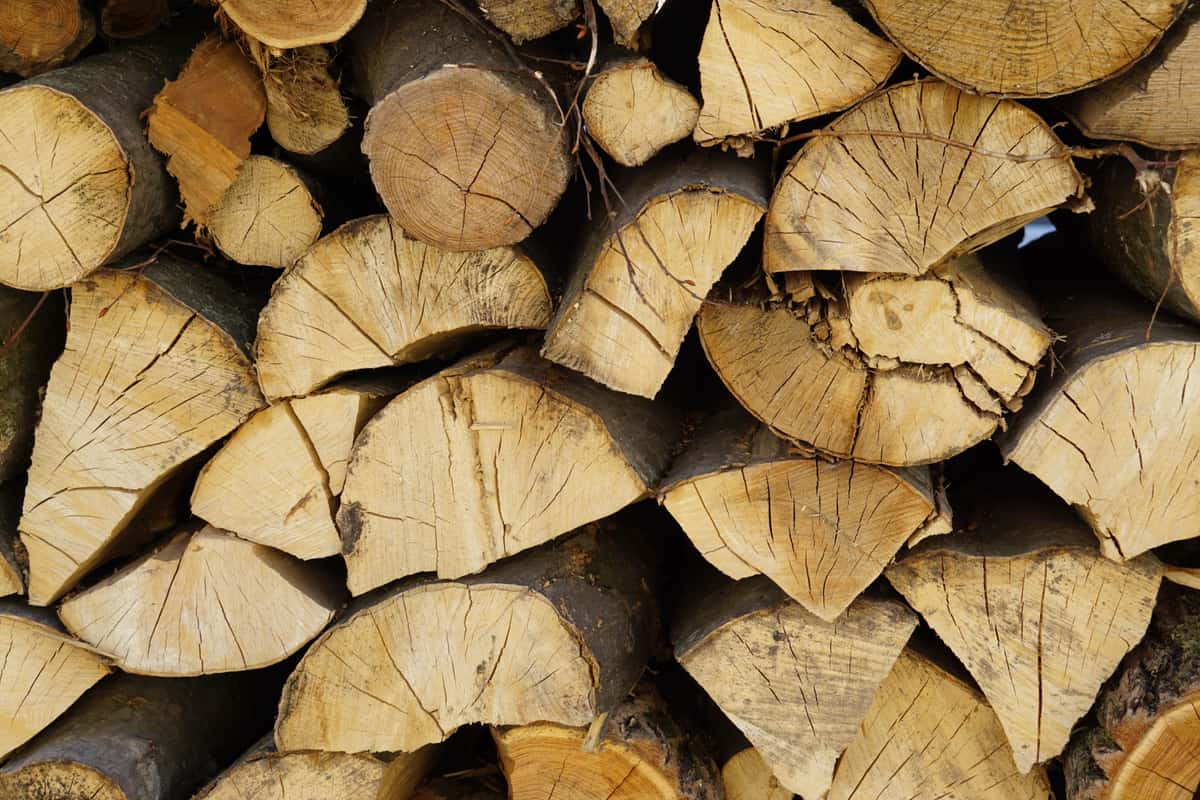
- Wood, if you burn it. Cooking wood is sold at a premium over firewood because it is cut small and kiln-dried, and a session consumes a real quantity of it — see choosing wood.
- Ingredients, particularly cheese. Good mozzarella costs more per pizza than the fuel does, by a wide margin.
- Accessories, mostly in the first month. A peel, a thermometer, a turning peel and a cover — see what you actually need.
- Replacement parts, if the oven is not looked after. A burner assembly corroded by standing water costs far more than a season of propane, which is the entire argument for a cover.
The efficiency worth having
Cook more pizzas per session. The preheat is a fixed cost paid once per evening, so a session that produces one pizza spends nearly all its fuel on getting ready. A session that produces six spends the same preheat and a little more.
The one thing not to do is shorten the preheat to save fuel. An under-heated stone produces the pale, dry base described in why pizza goes wrong — you save a few cents of gas and waste the dough.
How these picks were made
We did not cook on these ovens. Every figure on this page is the maker’s or the listing’s published specification, cited on each write-up so you can check it in one click. The ranking comes from matching those published capabilities to a stated use case — space, pizza size, fuel, and how many pizzas you cook in a row. Where a maker does not publish a number, we say so instead of estimating one.
The full version of that argument, including what we deliberately do not claim, is on our methodology page.