Heat and technique
How hot should a pizza oven be?
The number you want is the stone temperature, not the air temperature — and for most styles it is lower than the 950 degrees everyone quotes.
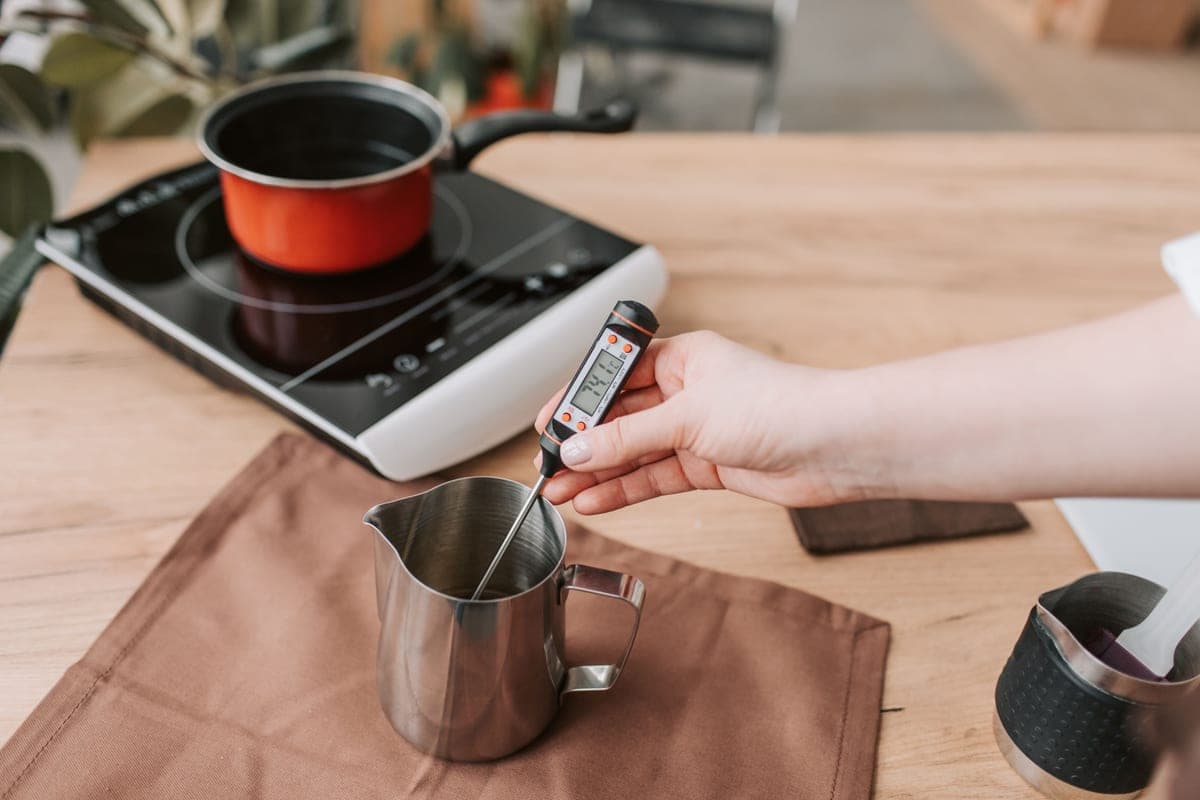
The short answer
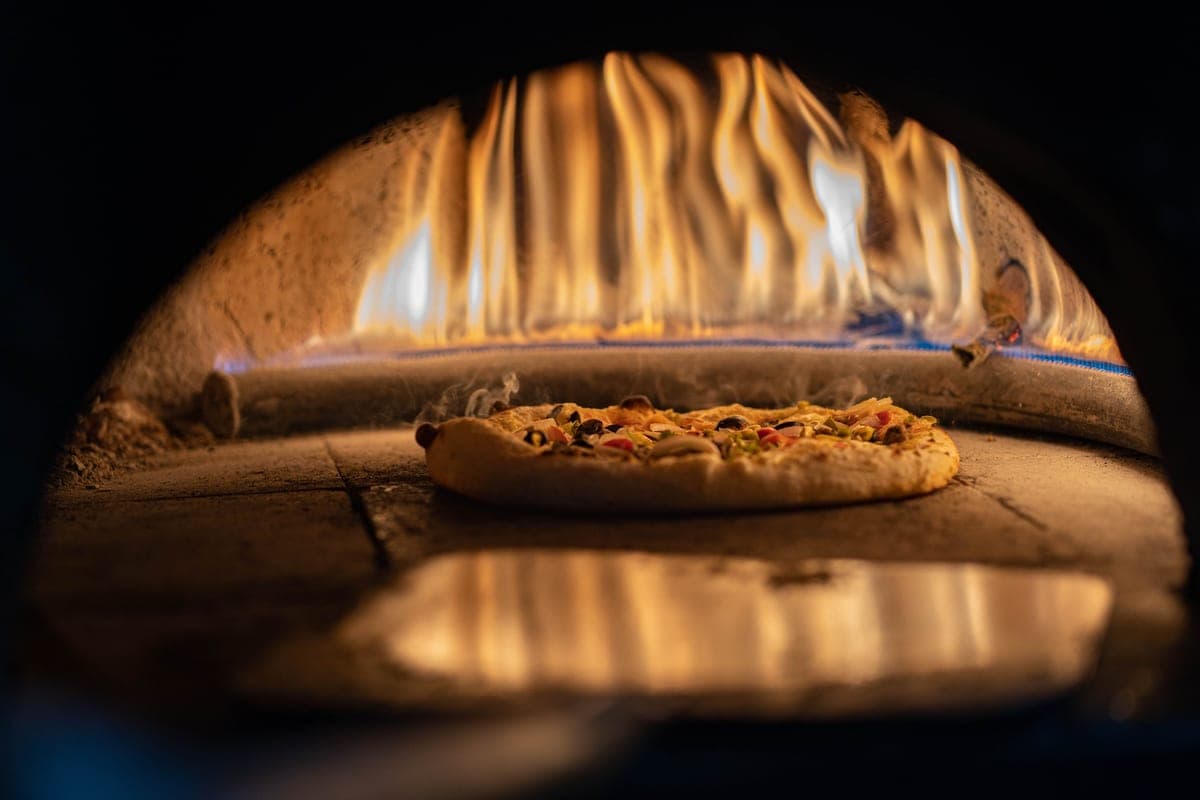
Measure the stone, not the air. Neapolitan wants a floor around 800 to 900 F for a 60-to-90-second bake. New York style wants 550 to 650 F for four to six minutes. Pan and Detroit styles want 500 to 550 F for eight to twelve. Running everything at 950 F is the most common reason home pizza comes out burnt underneath and raw on top.
Two temperatures, and only one of them cooks the base
A pizza cooks by two mechanisms at once. The base cooks by conduction from the stone it is touching. The top cooks by radiation from the roof, the flame and the hot air.
Those two heat sources are not the same temperature and they do not track each other, especially during preheat. Air heats quickly; a slab of cordierite heats slowly. So an oven's dial thermometer — which reads air near the roof — can say 900 F while the floor is still at 650 F.
That gap is the origin of the most common first-pizza disappointment: a well-browned top over a pale, dry, slightly bready base. Nothing was wrong with the dough. The floor was not ready. This is why an infrared thermometer is the accessory that most changes results.
Target stone temperatures by style
| Style | Stone temperature | Bake time | Why |
|---|---|---|---|
| Neapolitan | 800 to 900 F | 60 to 90 s | Fast enough that the surface chars before the interior dries out |
| New York | 550 to 650 F | 4 to 6 min | Slower bake sets a chewier, drier crumb and lets a heavier cheese load melt properly |
| Pan / Detroit | 500 to 550 F | 8 to 12 min | Thick dough needs time for the interior to cook through |
| Thin and crispy | 600 to 700 F | 3 to 5 min | Long enough to drive moisture out rather than just setting the surface |
Stone-surface targets and the bake times they produce. These are working ranges rather than rules — the point is that the target changes with the style, and that running everything at maximum is wrong for most of them.
Notice that only one of those four rows is anywhere near the 950 F these ovens advertise. If you make New York-style pizza, an oven at full output is actively working against you, and the style guide covers why.
How to know the stone is ready
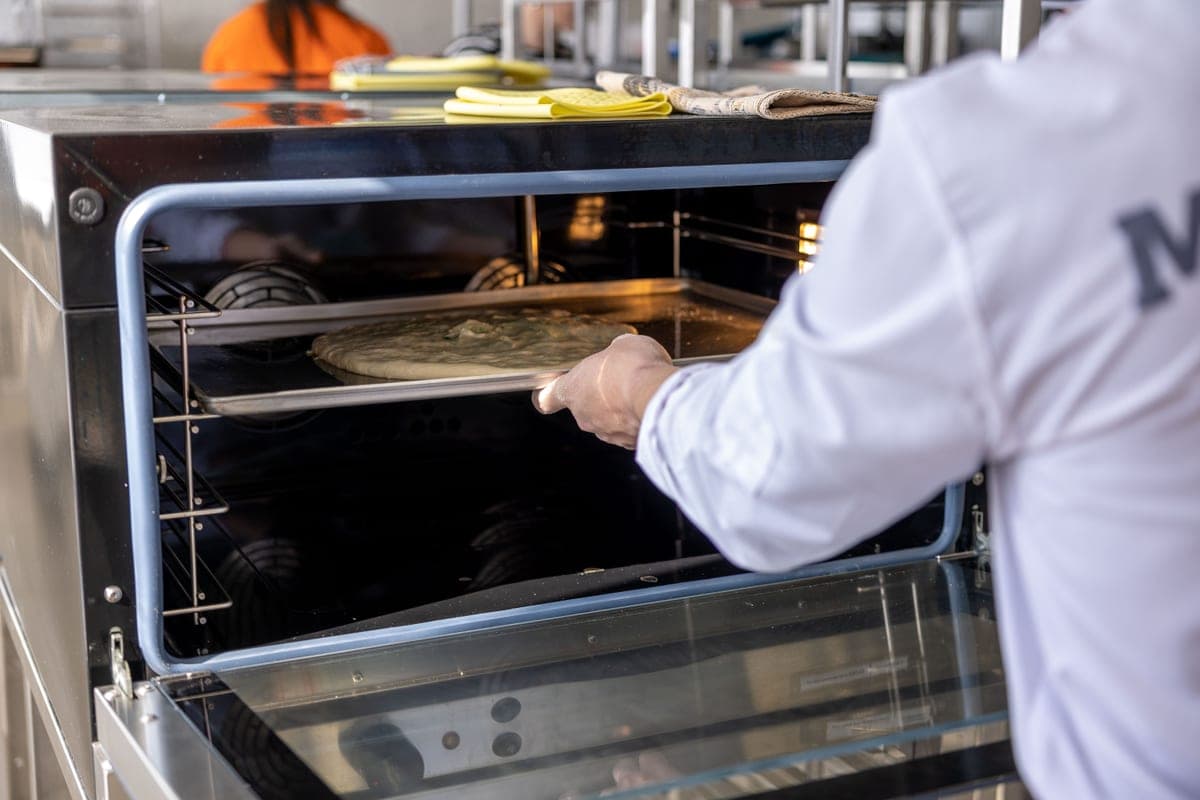
- Preheat longer than the maker's stated time. Published figures are the chamber reaching temperature. The floor lags — 20 minutes to the number usually means closer to 30 for the stone. How long to preheat lists the published figure for every oven here.
- Point an infrared thermometer at the center of the floor, from outside the mouth.
- Also read the front and the back. The spread tells you where the hot spot is and therefore how much turning the pizza will need.
- If the reading is low, wait rather than turning the flame up. More flame heats the air, which you are not measuring and which is not cooking your base.
Managing the stone between pizzas
Each pizza takes heat out of the floor. On a thin stone that shows up by the second or third bake as slower browning underneath.
The fix is time, not flame. Give the stone two or three minutes with the burner up and let conduction bring the surface back. Launching into a floor that has dropped 150 F produces the pale base again, and adding flame only widens the gap between a hot ceiling and a cool floor.
This is the mechanism behind the stone-thickness argument that runs through this whole site: a 0.8 in floor simply has more stored energy to give, so the pause arrives later or not at all.
Quick picks
Ranked for fit, not for hype. Every figure below is the maker’s own published number, and “n/p” means they do not publish it — which is itself worth knowing. Tap a row for the full write-up, or go straight to the listing.
| # | Oven | Best for | Max pizza | Weight | Price |
|---|---|---|---|---|---|
| 1 |  Etekcity 1080Reads to 1130 F with adjustable emissivity. | Reading a stone that is actually at 900 F | n/p | n/p | $24.99 · Check on Amazon |
| 2 |  Etekcity 800Reads to 1382 F with a 16:1 distance-to-spot ratio. | The widest margin over your oven | n/p | n/p | $28.99 · Check on Amazon |
Max pizza and weight are the makers’ published figures, sourced on each write-up below. Neither is a measurement we took, and no column here is a score — we have not cooked on these ovens and will not pretend otherwise.
Top pick · Reading a stone that is actually at 900 F
Etekcity Lasergrip 1080 Infrared Thermometer
Etekcity · Accessory
Reads to 1130 F with adjustable emissivity. The range matters: a thermometer that stops at 750 F cannot tell you anything useful about a pizza oven floor.
Published specification
- Range
- -58 F to 1130 F
- Emissivity
- Adjustable, 0.1 to 1.0
- Distance-to-spot
- 12:1
- Not for
- Measuring people
What it does well
- 1130 F clears a 950 F stone with margin, which is the only spec that matters here
- Adjustable emissivity is what lets it read dark cordierite accurately rather than defaulting to 0.95 and being wrong
- 12:1 means a usable reading from about 14 in — outside the oven mouth, not inside it
What you give up
- Infrared reads a surface, never an air temperature. The number is your stone, not your oven
- A 12:1 cone averages a wide patch at distance, so stand close and read the center
- Cheap infrared units drift; treat it as a repeatable relative reading, not a laboratory value
Buy it if
Every oven without a built-in stone-temperature readout, which is most of them.
Skip it if
Ovens with a digital floor probe already fitted, like the Ooni Connect hub models.
Where these numbers came from
Pick 2 · The widest margin over your oven
Etekcity Infrared Thermometer 800
Etekcity · Accessory
Reads to 1382 F with a 16:1 distance-to-spot ratio. The tighter cone is the real upgrade: a smaller measured patch means you can read the center of the stone rather than an average of it.
Published specification
- Range
- -58 F to 1382 F
- Distance-to-spot
- 16:1
- Not for
- Measuring people
What it does well
- 16:1 measures a smaller patch than a 12:1 unit at the same distance, which matters when the front and back of a stone differ by 100 F
- 1382 F means the tool is never the limiting factor, including on a wood fire's floor
- Same adjustable-emissivity family as the 1080
What you give up
- The extra range above about 1000 F is headroom you will never use on a pizza stone
- Still a surface reading, with all the same caveats
Buy it if
Wood-fired cooks and anyone mapping hot and cold spots across a large stone.
Skip it if
A buyer for whom the 1080 is cheaper — the difference is marginal for gas ovens.
Where these numbers came from
Too hot is a real failure mode
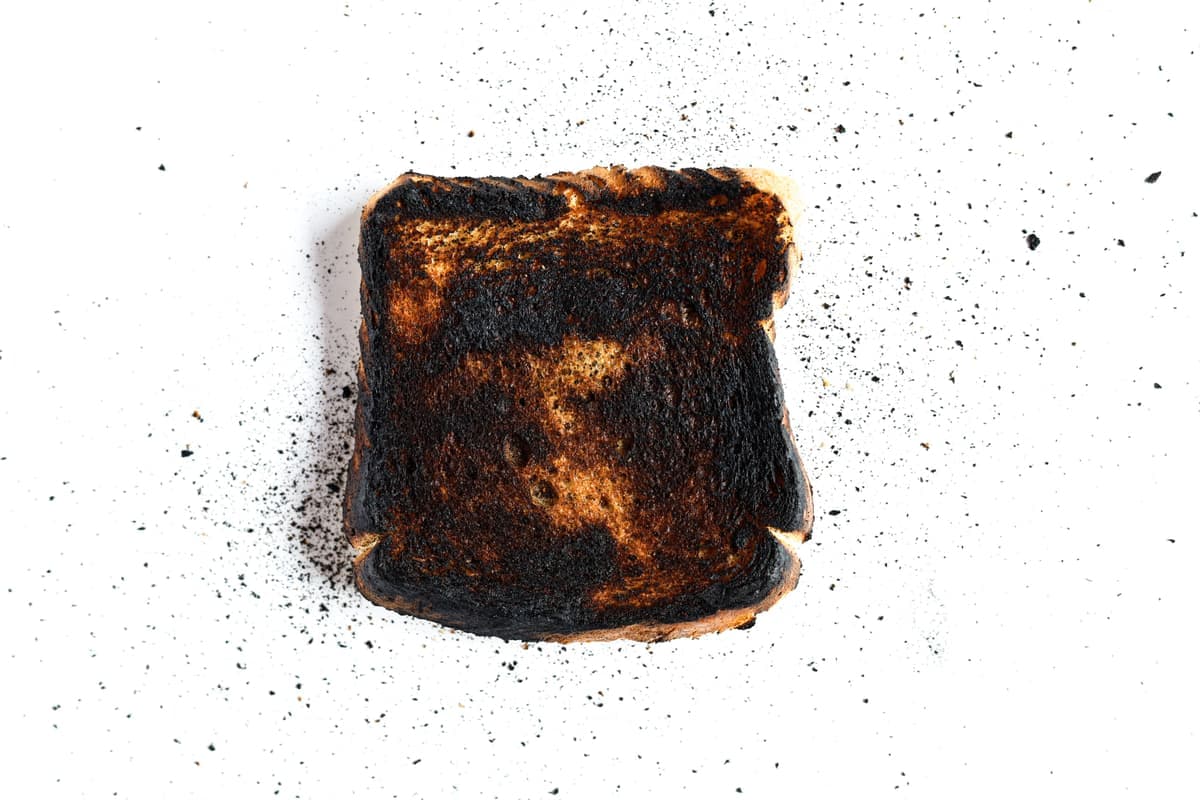
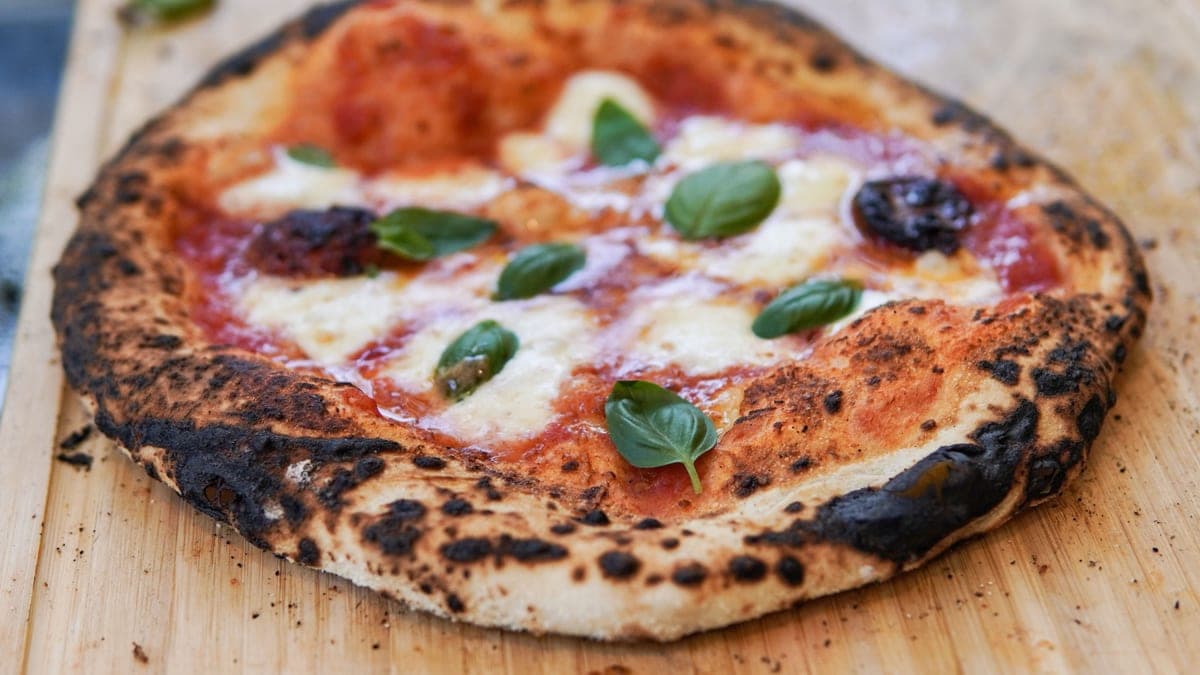
The instinct is that hotter is better and it is not. A floor at 950 F with a New York-style dough on it burns the base in ninety seconds while the cheese has barely begun to melt. Blackening is not the same as charring, and a bitter carbon layer is not leoparding.
If your bases blacken before the top is done, the fix is a cooler stone, not a shorter bake — see why one side burns for the full diagnostic.
How these picks were made
We did not cook on these ovens. Every figure on this page is the maker’s or the listing’s published specification, cited on each write-up so you can check it in one click. The ranking comes from matching those published capabilities to a stated use case — space, pizza size, fuel, and how many pizzas you cook in a row. Where a maker does not publish a number, we say so instead of estimating one.
The full version of that argument, including what we deliberately do not claim, is on our methodology page.