Head-to-head comparisons
Solo Stove Pi Prime vs Ooni Koda 2
Two compact gas ovens at similar money. One publishes its burner rating and its tank runtime. The other gives you two more inches of pizza — and that turns out to matter more.
The short answer
The Koda 2, for the extra two inches. 14 in against 12 in is the difference between having turning room around a 12 in pizza and having none, and it is the most common cause of a burnt edge. The Pi Prime wins on transparency — a published 15,000 BTU burner and a 20-hour tank runtime, which nobody else discloses — and on its 304 stainless body.
| Oven | Fuel | Max pizza | Peak temp | Stone | Weight |
|---|---|---|---|---|---|
| Ooni Koda 2 | Propane | 14" | 950 F | 0.6" | 35.27 lb |
| Solo Stove Pi Prime | Propane | 12" | 950 F | not published | 30 lb |
Every figure is the maker's own published number. Blank cells mean the maker does not publish it, which is a finding rather than an omission on our part.
Why two inches decides it
Most home cooks make 11 to 12 in pizzas, because that is what a standard dough ball stretches to and what fits a dinner plate. Put a 12 in pizza in the Pi Prime's 13 in opening and you have around half an inch of clearance per side.
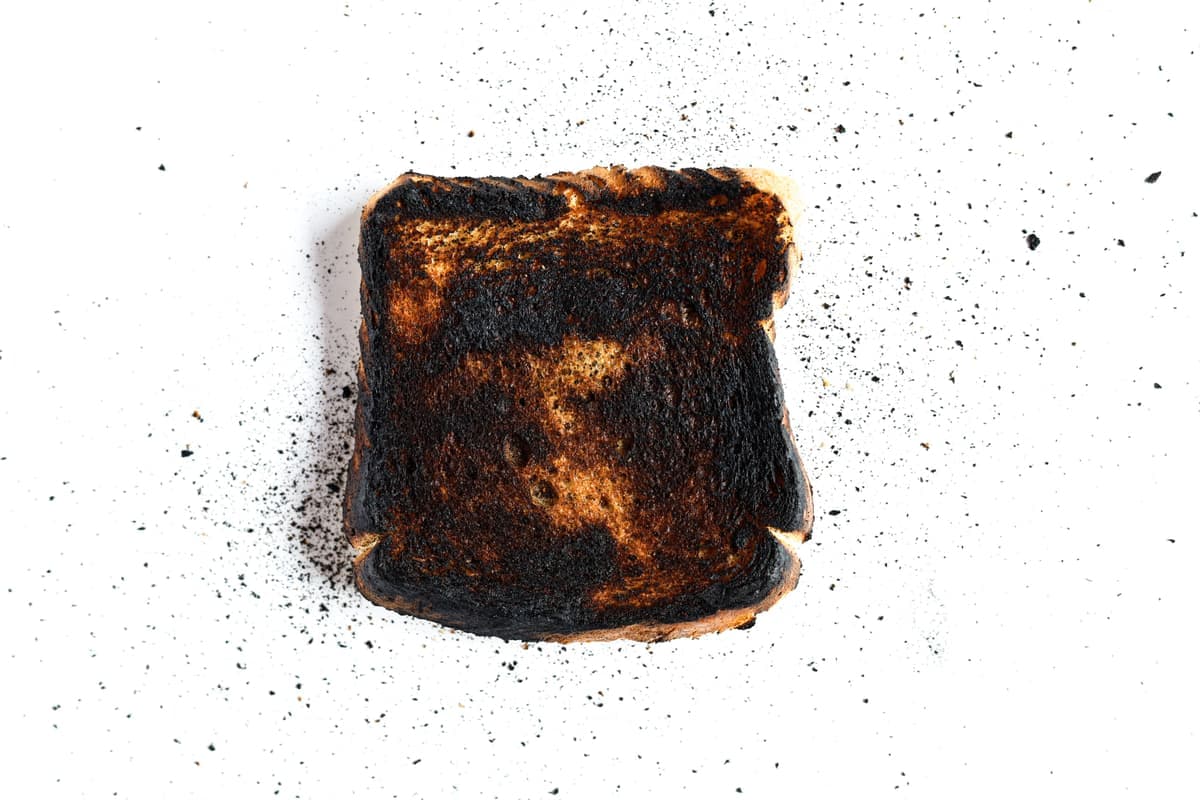
That is not enough to get a turning peel under the rim, and in a single-burner oven turning is how you get even cooking. The result is the classic outcome described in why one side of your pizza burns.
The Koda 2's 14 in chamber gives a 12 in pizza about an inch per side. Not generous, but workable — and workable is the whole difference.
Why the Pi Prime is still on this site
Because it publishes numbers nobody else does. 15,000 BTU for the burner and up to 20 hours on high from a 20 lb cylinder. Ooni publishes no BTU figure for the Koda line at all, which means you cannot calculate a runtime for the Koda 2 — and the runtime guide can only be written because Solo Stove disclosed theirs.
It also publishes an honest 90-second bake rather than the 60 seconds everyone else claims. That is a slower oven and Solo Stove says so, which is a small act of integrity worth noticing in a category full of identical marketing claims.
Materials and shape
The Pi Prime is 304 stainless throughout; the Koda 2 uses Ooni's usual powder-coated carbon steel. For an appliance living outdoors under a cover, stainless is the better material — powder coat chips and what is under it rusts.
The Pi Prime's demi-dome chamber reflects radiant heat back down onto the pizza more evenly than a flat top, which is the same principle as a brick oven. Its wide 13 in mouth makes turning easier and loses heat faster, which is part of why the bake is 90 seconds rather than 60.
What each maker publishes, and what neither does
Ooni publishes the Koda 2's weight at 35.27 lb and its cordierite floor at 0.6 in, so both of the specifications this site leans on are available for it. Solo Stove publishes an approximate 30 lb and no stone thickness at all. Neither maker publishes a preheat time for these two models.
What Ooni does publish is a temperature range of 375 F to 950 F, which makes the Koda 2 usable for flatbreads and vegetables rather than only for 60-second pizza. Solo Stove publishes a peak only.
Quick picks
Ranked for fit, not for hype. Every figure below is the maker’s own published number, and “n/p” means they do not publish it — which is itself worth knowing. Tap a row for the full write-up, or go straight to the listing.
| # | Oven | Best for | Max pizza | Weight | Price |
|---|---|---|---|---|---|
| 1 |  Ooni Koda 2The compact Koda, now with a published temperature range that starts at 375 F. | Small patios and two-person cooking | 14" | 35.27 lb | $498.95 · Check on Amazon |
| 2 |  Solo Stove Pi PrimeA demi-dome over a cordierite stone, 304 stainless throughout, and — almost uniquely here — a published 15,000 BTU bu... | The one maker that publishes its burner rating | 12" | 30 lb | $399.99 · Check on Amazon |
Max pizza and weight are the makers’ published figures, sourced on each write-up below. Neither is a measurement we took, and no column here is a score — we have not cooked on these ovens and will not pretend otherwise.
Top pick · Small patios and two-person cooking
Ooni Koda 2 Propane Gas Pizza Oven
Ooni · Propane
The compact Koda, now with a published temperature range that starts at 375 F. It is the model to buy when the space, not the budget, is the constraint.
Published specification
- Max temperature
- 950 F. The Amazon listing publishes a 375 F to 950 F range; Ooni's own spec page publishes the peak only
- Max pizza
- 14 in, cooked in about 60 seconds
- Stone
- Cordierite, 0.6 in / 15 mm thick — the same floor thickness as the Koda 16
- Weight
- 35.27 lb unboxed (16 kg), 46.96 lb boxed
- External size
- Ooni publishes 545 x 472 x 333 mm, which is 21.5" x 18.6" x 13.1". Its imperial column prints the depth as 28.4", which contradicts both the metric figure and the 21.93" boxed dimension
- Body
- Powder-coated carbon steel, stainless internal base and legs, aluminum nose
- Fuel
- Propane, 28 mBar regulator and hose included. No natural-gas variant
- Format
- Folding legs, single-piece body, no assembly
- In the box
- Oven, stone, regulator and hose, Torx key, matchstick lighter, battery
- Warranty
- 1 year standard, extended to 5 years on registration with Ooni within 60 days
What it does well
- 14 in is the smallest size where a 12 in pizza still has turning room — 12 in ovens do not
- A published low end of 375 F makes it usable for flatbreads and vegetables, not only for 60-second pizza
- The lightest and cheapest way into the current Koda generation
What you give up
- No natural-gas variant — if you have an outdoor gas point, the Koda 16 is the nearest Ooni at a similar price that can use it
- Ooni's published imperial dimensions are wrong for this oven. The spec page prints a 28.4 in depth against a metric figure of 472 mm, which is 18.6 in, and a box only 21.93 in deep. Measure against the metric conversion
- Ooni publishes no BTU input rating, and no preheat time for this model — the Koda 16 at least gets a published 20 minutes
- 14 in caps the pizza size permanently — this is not a capacity you grow into
Buy it if
Two-to-four-person households on a patio where footprint decides the purchase.
Skip it if
Anyone who wants 16 in pizzas now or later.
Pick 2 · The one maker that publishes its burner rating
Solo Stove Pi Prime Propane Pizza Oven
Solo Stove · Propane
A demi-dome over a cordierite stone, 304 stainless throughout, and — almost uniquely here — a published 15,000 BTU burner and a published 20-hour runtime on a 20 lb cylinder.
Published specification
- Max temperature
- 950 F; about 15 minutes to preheat
- Bake time
- Listing states 90 seconds, not 60
- Opening
- 13 in wide
- Body
- 20.5 in wide x 15.5 in tall, 304 stainless steel
- Weight
- About 30 lb
- Burner
- 15,000 BTU
- Fuel runtime
- Up to 20 hours on high from a 20 lb LPG cylinder
What it does well
- Solo Stove publishes both a BTU figure and a tank runtime. Almost nobody else in this category does, and it is the reason our propane runtime guide can use real arithmetic
- The demi-dome pushes heat back down onto the pizza rather than out the front — a genuinely different shape from the flat-top Kodas
- 304 stainless rather than powder-coated carbon steel: the better material for something that lives outdoors
- About 30 lb, so it stays in the carry-it-yourself class
What you give up
- The listing's own claim is a 90-second bake, not 60. That is an honest number and it is also a slower oven
- 13 in opening means 12 in pizzas, and the stone thickness is not published
- Propane only, and the wide mouth that makes turning easy also loses heat faster on a cold evening
Buy it if
The buyer who wants to compare burners on paper before buying, and who values a stainless body outdoors.
Skip it if
Anyone who has decided 16 in is the minimum.
Where these numbers came from
Which to buy
Koda 2 for the turning clearance, the published low-temperature range and the current-generation platform. It is the better pizza oven of the two.
Pi Prime if the stainless body matters because the oven lives outside year-round, if you want to plan fuel purchases with real numbers, or if a maker's willingness to publish honest specifications is something you want to reward.
How these picks were made
We did not cook on these ovens. Every figure on this page is the maker’s or the listing’s published specification, cited on each write-up so you can check it in one click. The ranking comes from matching those published capabilities to a stated use case — space, pizza size, fuel, and how many pizzas you cook in a row. Where a maker does not publish a number, we say so instead of estimating one.
The full version of that argument, including what we deliberately do not claim, is on our methodology page.