Head-to-head comparisons
Ooni Karu 2 Pro vs Ooni Koda 16
Two Ooni ovens, both 16 inches, both 950 F. One has a dial and one has a fire — and that single difference decides how often the oven gets used.
The short answer
Koda 16 unless you will genuinely light a fire. Both cook 16 in pizzas at 950 F. The Karu 2 Pro adds wood and charcoal, a glass door and a food probe, and costs 22.5 lb, a fixed installation, ash cleanup and the price of a separate gas burner if you want both fuels. Owners consistently overestimate how often they will use wood.
| Oven | Fuel | Max pizza | Peak temp | Stone | Weight |
|---|---|---|---|---|---|
| Ooni Koda 16 | Propane | 16" | 950 F | 0.6" | 40.1 lb |
| Ooni Karu 2 Pro | Multi-fuel | 16" | 950 F | 0.6" | 62.6 lb |
Every figure is the maker's own published number. Blank cells mean the maker does not publish it, which is a finding rather than an omission on our part.
Same size, same temperature, different appliance
It is worth being precise about what is and is not different here. Both publish 950 F. Both cook a 16 in pizza — the Karu 2 Pro on a 17 in cooking surface, the Koda 16 on a 16 in stone. Both use a 0.6 in cordierite floor. On the numbers that describe the pizza, these two are close to identical.
What differs is everything about the operation. One is 40.1 lb with folding legs and a dial. The other is 62.6 lb standing 32.4 in tall on legs, with a firebox, a chimney, and no dial at all.
What the Karu adds
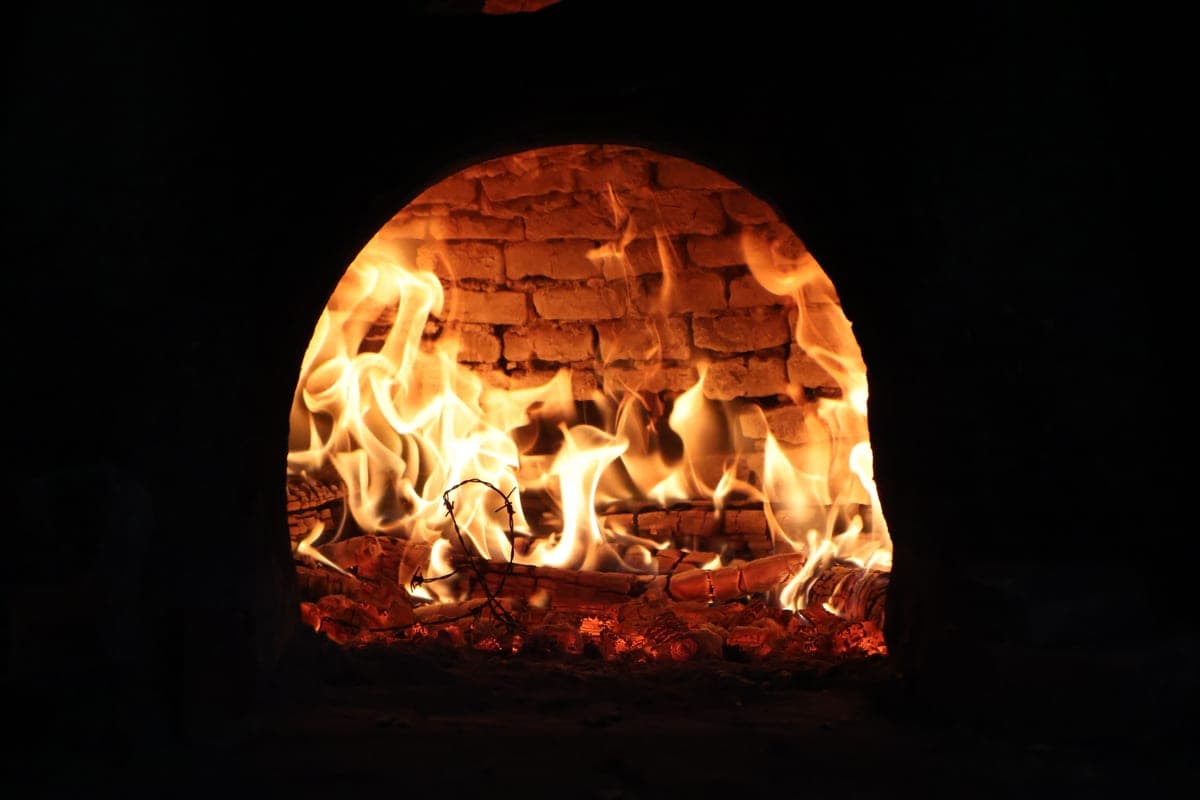
Wood and charcoal, which produce the live rolling flame that chars a rim in a way a burner does not. That difference is real; the smoke-flavor difference mostly is not, for reasons the fuel guide sets out.
A full glass door, which is the feature that makes wood firing manageable — you read the fire without opening the oven and losing the chamber. Without one, wood cooking is a frustrating loop of checking and disturbing.
A digital temperature hub and food probe, which turn a wood oven into a genuine roasting oven. That matters because a lit wood fire produces far more heat than four pizzas need, and using the rest of it is what makes lighting it worthwhile.
What it costs
22.5 lb and a permanent site. 62.6 lb, 32.4 in tall on legs, with a 32.4 by 19.8 in footprint. The Koda 16 folds up and goes away; this does not.
Attention. A fire needs feeding on the same schedule that dough needs stretching. This is the real cost and it is the one that determines whether the oven gets used in October.
Ash and a chimney. Every session ends with cleanup that a gas oven does not have.
The gas burner is separate. If you want the flexibility to use gas on a weeknight, that is an additional purchase — so the Karu 2 Pro's real multi-fuel price is higher than its listed one, and the comparison against the Koda 16 tightens accordingly.
Quick picks
Ranked for fit, not for hype. Every figure below is the maker’s own published number, and “n/p” means they do not publish it — which is itself worth knowing. Tap a row for the full write-up, or go straight to the listing.
| # | Oven | Best for | Max pizza | Weight | Price |
|---|---|---|---|---|---|
| 1 |  Ooni Koda 16Still the most sensible first gas oven anyone buys. | The default first oven | 16" | 40.1 lb | $498.00 · Check on Amazon-23% |
| 2 |  Ooni Karu 2 ProThe biggest multi-fuel oven Ooni makes: wood or charcoal out of the box, gas with a separate burner, a fully glazed d... | Wood flavor at 16 inches | 16" | 62.6 lb | $849.00 · Check on Amazon |
Max pizza and weight are the makers’ published figures, sourced on each write-up below. Neither is a measurement we took, and no column here is a score — we have not cooked on these ovens and will not pretend otherwise.
Top pick · The default first oven
Ooni Koda 16 Propane Gas Pizza Oven
Ooni · Propane
Still the most sensible first gas oven anyone buys. 16 inches is the size where a 12-inch pizza stops feeling like a tight squeeze, and at 40 lb one person can carry it.
Published specification
- Max temperature
- 950 F (500 C), reached in about 20 minutes
- Stone
- 16 in cordierite, 0.6 in thick
- External size
- 25" L x 23.2" W x 14.7" H
- Weight
- 40.1 lb unboxed
- Fuel
- Propane, or a separate natural-gas version for a gas line
- Warranty
- 1 year standard, 5 years on registration with Ooni
- Gas input
- Ooni does not publish a BTU input rating for the Koda line
What it does well
- The 16 in stone is the real argument for this model over the 12 in ovens — a 12 in pizza sits inside it with room to turn, which is what actually stops a burnt edge
- One-piece body with folding legs: no assembly, and it is the largest oven here a single person carries comfortably
- There is a natural-gas variant, so a household with a gas line can stop buying cylinders entirely — rare in this category
What you give up
- 0.6 in stone stores less heat than the 0.8 in floors on the newer Koda 2 Pro and the Gozney Arc, so back-to-back bakes need a longer recovery pause
- Single burner across the back: no dual-zone control, so everything cooks at one temperature
- No door and no glass, so the heat you lose between launches is heat you re-earn with the flame
Buy it if
Someone buying their first serious outdoor oven who wants 16 in capacity and does not want to think about fuel beyond turning a dial.
Skip it if
Anyone who wants wood flavor, and anyone cooking two different things at once — that is the Koda 2 Pro or the Karu.
Where these numbers came from
Pick 2 · Wood flavor at 16 inches
Ooni Karu 2 Pro Multi-Fuel Outdoor Pizza Oven
Ooni · Multi-fuel
The biggest multi-fuel oven Ooni makes: wood or charcoal out of the box, gas with a separate burner, a fully glazed door so you can watch, and a digital hub with a food probe.
Published specification
- Max temperature
- 950 F (500 C) in about 15 minutes
- Cooking area
- 17 in wide, 5.7 in internal height
- Stone
- 0.6 in cordierite
- External size
- 32.4" L x 19.8" W x 32.4" H
- Weight
- 62.6 lb unboxed, 86.6 lb boxed
- Fuel
- Wood or lump charcoal as standard; gas burner sold separately
- Included
- Glass door, tray door, fuel tray and grate, digital hub with probe
What it does well
- A full glass door on a wood oven is rare and it changes how the oven is used — you manage the fire by watching it rather than by opening it
- 17 in of cooking width is the largest wood-capable surface here, and it takes a 16 in pizza
- Wood, charcoal, or gas from one body: the fuel decision stops being permanent
- The food probe makes it a genuine roasting oven, not only a pizza oven
What you give up
- The gas burner is a separate purchase, so 'multi-fuel' costs more than the listed price
- 0.6 in stone under a 17 in surface — thinner than the Gozney Arc's floor, so recovery between pizzas is slower than the size suggests
- 62.6 lb and 32 in tall on legs: this is a fixed installation in practice
- Wood means ash, a chimney to clean, and a fire to feed while you cook
Buy it if
Someone who actually wants the wood-fired part, cooks 16 in pizzas, and is willing to tend a fire.
Skip it if
Anyone whose real requirement is dinner in 20 minutes on a Tuesday. That is a gas oven.
Where these numbers came from
The honest test
Ask how many times in the last year you did something that took forty-five minutes of active attention purely for enjoyment on a weekday. If the answer is "often", buy the Karu. If it is "rarely, but I keep meaning to", buy the Koda 16 and spend the difference on a thicker stone and a good peel.
Nobody regrets the gas oven they used forty times. Plenty of people regret the wood oven they used four times.
How these picks were made
We did not cook on these ovens. Every figure on this page is the maker’s or the listing’s published specification, cited on each write-up so you can check it in one click. The ranking comes from matching those published capabilities to a stated use case — space, pizza size, fuel, and how many pizzas you cook in a row. Where a maker does not publish a number, we say so instead of estimating one.
The full version of that argument, including what we deliberately do not claim, is on our methodology page.