Wood-fired and multi-fuel
Wood, charcoal or gas: what each fuel actually does
The flavor argument is smaller than the marketing suggests and the attention argument is bigger. Here is what changes when you change fuel, and what does not.
The short answer
Wood changes the char, not the flavor — a 90-second bake is far too short for smoke to penetrate. Charcoal gives most of wood's live-flame behavior with a fraction of the attention. Gas changes nothing about the pizza except that it lets you cook one on a Tuesday. Choose on how much attention you want to spend, not on an imagined taste difference.
The smoke-flavor claim, examined
The idea that a wood-fired pizza tastes smoky is the category's most durable piece of folklore, and the bake time argues against it. Smoke flavor comes from smoke compounds depositing on and absorbing into a food's surface, and that is a slow process — the reason barbecue is cooked for hours rather than minutes.
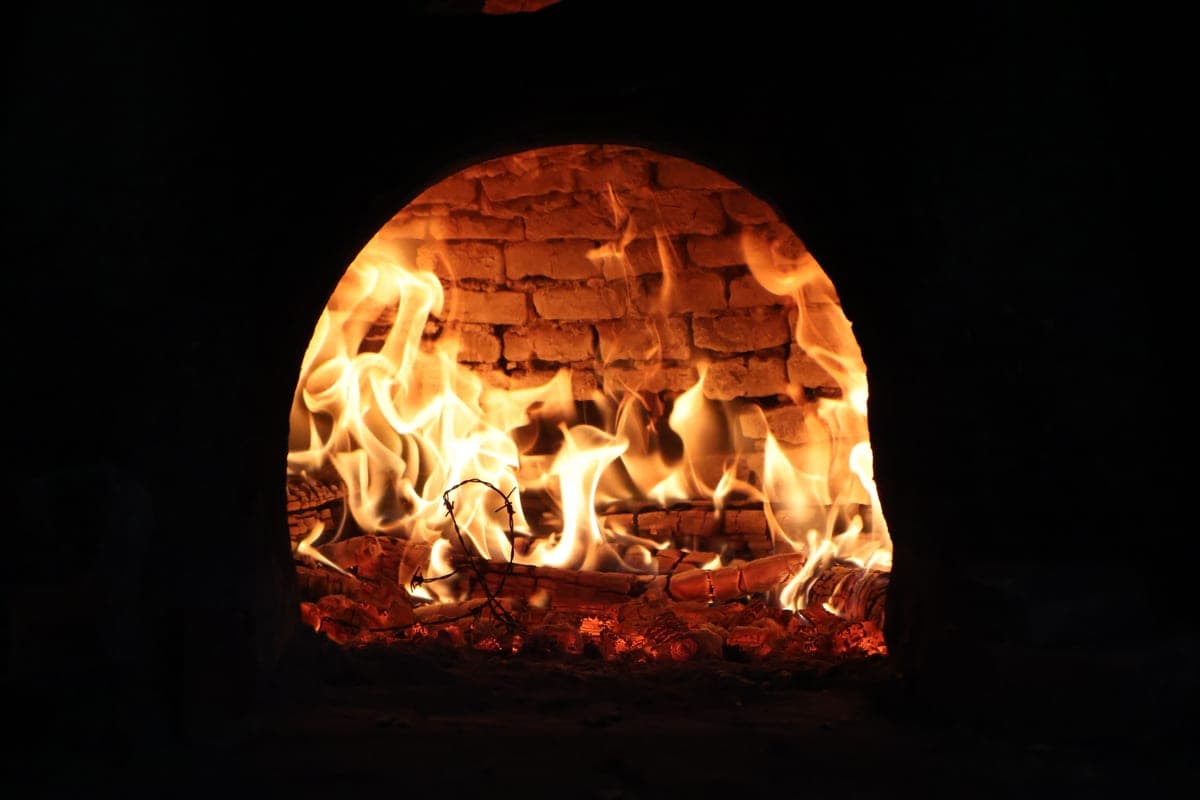
A Neapolitan pizza is in the oven for 60 to 90 seconds. Whatever is happening in that time, meaningful smoke penetration is not it. What you are tasting when a wood-fired pizza tastes different is mostly char: the leopard-spotted blistering on the rim produced by a live, moving flame licking across the ceiling and down the side of the dough.
That is a real difference and it is worth wanting. It is just not the difference people describe, and knowing which one you are buying changes what you should buy.
Charcoal is the underrated answer
Every multi-fuel oven on this site accepts lump charcoal, and in a small firebox it outperforms wood on nearly every practical axis.
| Wood | Lump charcoal | Gas | |
|---|---|---|---|
| Live flame for char | Best | Good | Limited |
| Temperature control | Poor | Fair | Excellent |
| Attention while cooking | Constant | Occasional | None |
| Time to temperature | Longest | Medium | Shortest |
| Smoke while cooking | High | Low | None |
| Cleanup | Ash + chimney | Ash | None |
A practical comparison of the three fuels in a home-sized pizza oven chamber. Temperature control is the axis that most affects whether an oven gets used on a weeknight.
Charcoal lights faster, burns steadier, produces far less smoke and needs feeding less often. It still gives you a live flame, which is the thing that actually differentiates a fire from a burner. The one thing it does not give you is the rolling flame of a well-fed wood fire at full song — but a small firebox rarely produces that anyway.
The wood you buy matters more than the species
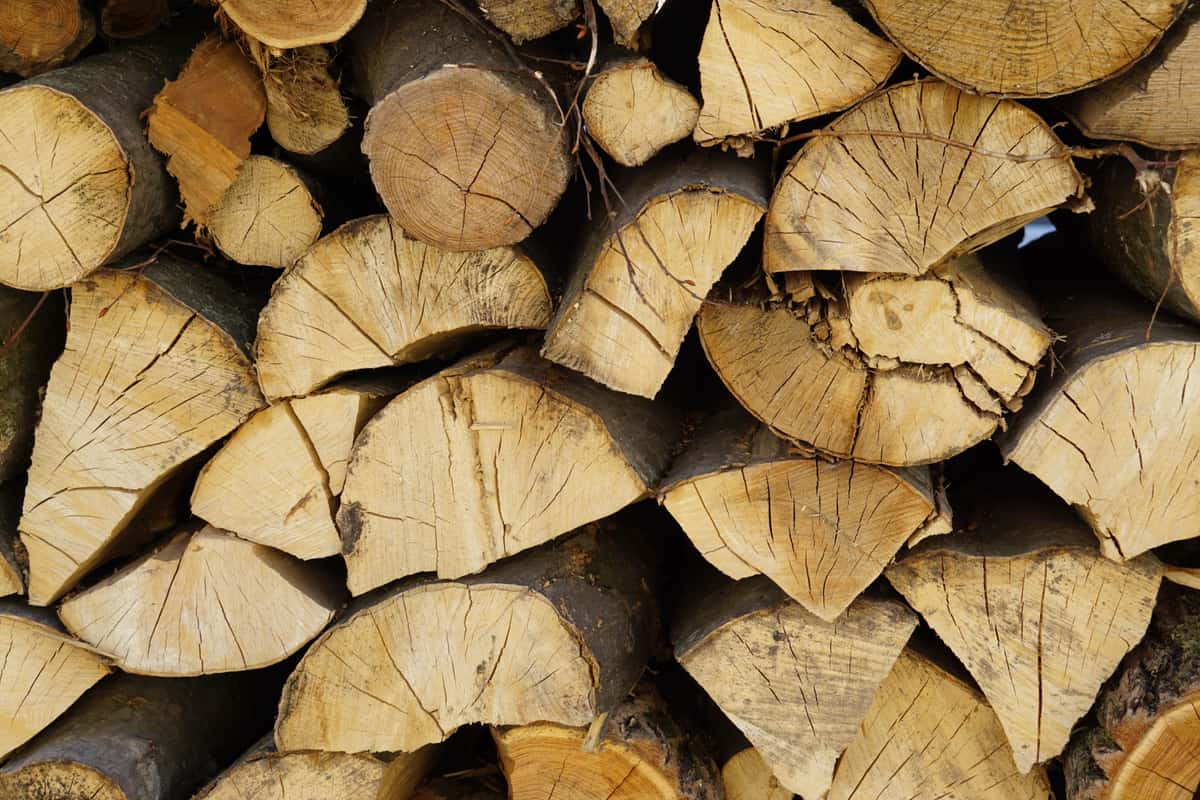
Two rules, in order of importance. Kiln-dried, under about 20 percent moisture. Wet wood spends its energy boiling water instead of heating your stone, and it produces the acrid, sooty smoke that genuinely does get onto food in an unpleasant way. This single variable accounts for most bad wood-firing experiences.
Cut small. These fireboxes take kindling, not split logs — an Ooni Karu 2's fuel tray is a few inches across. Wood sold specifically for pizza ovens is genuinely a different product from firewood, and the premium is for the sizing, not the marketing.
The gas case, made properly
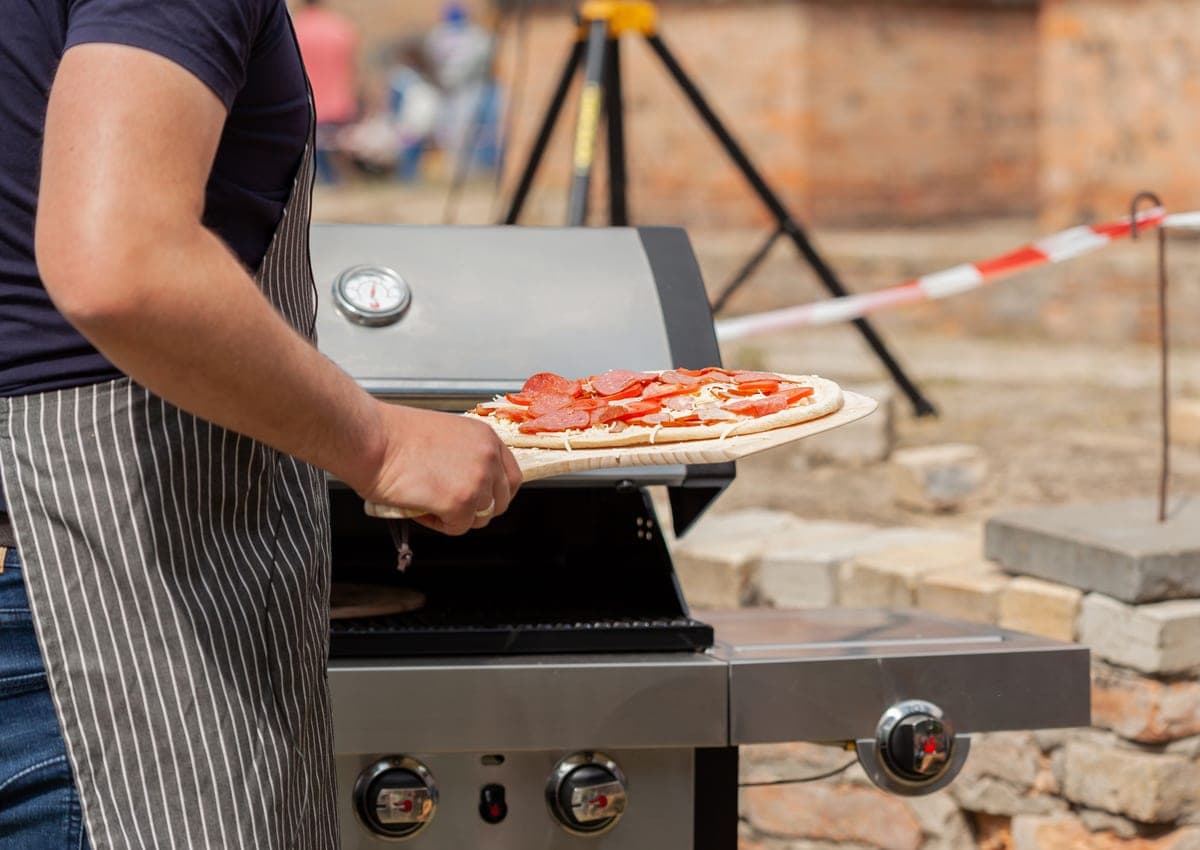
Gas does not make a better pizza. It makes a pizza that happens. The single strongest predictor of whether a home pizza oven produces good pizza is how many times it gets used, because this is a skill and skills need repetitions — and gas is the fuel that survives a Tuesday.
The observed pattern among people who own both is consistent: gas on weeknights, wood on weekends, and the wood sessions get better because the weeknight sessions built the technique. If you are buying your first oven and the choice is a good gas oven or a compromised multi-fuel one, buy the good gas oven.
Or refuse the choice
Two answers here decline to pick. An oven sold with both fuel systems lets you choose per session — an Ooni Karu 2 bought as a bundle with its gas burner is the example on sale now, since the Bertello Grande, which ran gas and wood simultaneously, is no longer sold on Amazon. And the Ninja Woodfire is an electric outdoor oven with a pellet smoke box, which produces genuine wood smoke with no fire to manage at all. Neither is a compromise so much as a different answer to the same question.
Quick picks
Ranked for fit, not for hype. Every figure below is the maker’s own published number, and “n/p” means they do not publish it — which is itself worth knowing. Tap a row for the full write-up, or go straight to the listing.
| # | Oven | Best for | Max pizza | Weight | Price |
|---|---|---|---|---|---|
| 1 |  Ooni Karu 2 ProThe biggest multi-fuel oven Ooni makes: wood or charcoal out of the box, gas with a separate burner, a fully glazed d... | Wood flavor at 16 inches | 16" | 62.6 lb | $849.00 · Check on Amazon |
| 2 |  Gozney RoccboxThe original portable stone-floor oven, and still the only 12 in oven with retractable legs, a carry strap, an insula... | The one that travels and still holds heat | 12" | 44 lb | $399.00 · Check on Amazon-20% |
| 3 |  Karu 2 bundle, peel + gas burnerThe Karu 2 sold with the two things it otherwise lacks: its gas burner and a 12 in perforated peel. | Both fuels and a peel in one order | 12" | 33.6 lb | $602.20 · Check on Amazon-5% |
Max pizza and weight are the makers’ published figures, sourced on each write-up below. Neither is a measurement we took, and no column here is a score — we have not cooked on these ovens and will not pretend otherwise.
Top pick · Wood flavor at 16 inches
Ooni Karu 2 Pro Multi-Fuel Outdoor Pizza Oven
Ooni · Multi-fuel
The biggest multi-fuel oven Ooni makes: wood or charcoal out of the box, gas with a separate burner, a fully glazed door so you can watch, and a digital hub with a food probe.
Published specification
- Max temperature
- 950 F (500 C) in about 15 minutes
- Cooking area
- 17 in wide, 5.7 in internal height
- Stone
- 0.6 in cordierite
- External size
- 32.4" L x 19.8" W x 32.4" H
- Weight
- 62.6 lb unboxed, 86.6 lb boxed
- Fuel
- Wood or lump charcoal as standard; gas burner sold separately
- Included
- Glass door, tray door, fuel tray and grate, digital hub with probe
What it does well
- A full glass door on a wood oven is rare and it changes how the oven is used — you manage the fire by watching it rather than by opening it
- 17 in of cooking width is the largest wood-capable surface here, and it takes a 16 in pizza
- Wood, charcoal, or gas from one body: the fuel decision stops being permanent
- The food probe makes it a genuine roasting oven, not only a pizza oven
What you give up
- The gas burner is a separate purchase, so 'multi-fuel' costs more than the listed price
- 0.6 in stone under a 17 in surface — thinner than the Gozney Arc's floor, so recovery between pizzas is slower than the size suggests
- 62.6 lb and 32 in tall on legs: this is a fixed installation in practice
- Wood means ash, a chimney to clean, and a fire to feed while you cook
Buy it if
Someone who actually wants the wood-fired part, cooks 16 in pizzas, and is willing to tend a fire.
Skip it if
Anyone whose real requirement is dinner in 20 minutes on a Tuesday. That is a gas oven.
Where these numbers came from
Pick 2 · The one that travels and still holds heat
Gozney Roccbox Outdoor Pizza Oven
Gozney · Multi-fuel
The original portable stone-floor oven, and still the only 12 in oven with retractable legs, a carry strap, an insulated skin and a detachable burner you can swap for wood.
Published specification
- Max temperature
- 950 F (500 C), 20 to 30 minutes on gas
- Max pizza
- 12 in, about 60 seconds
- Weight
- 20 kg (about 44 lb)
- Fuel
- Propane or butane as standard; wood burner sold separately
- Floor
- Double-layer stone floor with dense insulation
- Included
- Detachable gas burner and a professional pizza peel
- Warranty
- 1 year standard, 5 years on registration within 60 days
What it does well
- Retractable legs plus a carry strap: it is the only oven in this registry designed from the outset to be picked up and taken somewhere
- The detachable burner is the cleanest gas-to-wood swap in the category — no second oven, no permanent commitment either way
- A peel is in the box, which quietly removes the most common forgotten purchase
- Cannot run on natural gas — Gozney is explicit about this, which is more than several rivals manage
What you give up
- 44 lb is heavy for a 12 in oven; the portability is about form, not mass
- Gozney does not publish external dimensions or stone thickness on the Roccbox page, so two comparable numbers are missing
- The wood burner is an extra purchase, so the multi-fuel headline costs more than the sticker
Buy it if
Someone who wants one oven for the patio and the campsite, and who might want wood later without buying twice.
Skip it if
Anyone who needs pizzas larger than 12 in.
Where these numbers came from
Pick 3 · Both fuels and a peel in one order
Ooni Karu 2 Multi-Fuel Pizza Oven, Ultimate Bundle with 12 in Perforated Peel and Gas Burner
Ooni · Multi-fuel
The Karu 2 sold with the two things it otherwise lacks: its gas burner and a 12 in perforated peel. Same oven, same glass door and 0.6 in stone — the bundle removes the second-burner trap and the first accessory purchase.
Published specification
- Max temperature
- 950 F, reached in about 15 minutes per the listing
- Stone
- 13.3 in cordierite, 0.6 in (15 mm)
- Max pizza
- 12 in
- Weight
- 33.6 lb, oven unboxed
- In the bundle
- Karu 2 oven, Karu 2 gas burner, 12 in perforated peel
- Fuel
- Wood or charcoal, or propane through the included burner
- Door
- Borosilicate glass with ClearView, built-in thermometer
- Warranty
- 1 year, extended to 5 years on registration with Ooni
What it does well
- Both fuel systems arrive together, so you are not left permanently on whichever fuel the oven shipped with
- A correctly sized 12 in perforated peel in the box — the accessory every oven needs first
- The same glass door and built-in thermometer as the standalone Karu 2, which is the feature that makes wood firing manageable
What you give up
- Still a 12 in chamber: turning room around a 12 in pizza is tight, and the one-side burn problem is real
- You pay for the gas burner up front whether or not you end up using gas
- No cover and no infrared thermometer in this bundle — the built-in gauge reads the chamber, not the stone
Buy it if
Someone who wants to cook on wood and on gas from the first evening without placing a second order.
Skip it if
Anyone certain they will only ever burn wood — the standalone Karu 2 is the same oven without the burner.
How these picks were made
We did not cook on these ovens. Every figure on this page is the maker’s or the listing’s published specification, cited on each write-up so you can check it in one click. The ranking comes from matching those published capabilities to a stated use case — space, pizza size, fuel, and how many pizzas you cook in a row. Where a maker does not publish a number, we say so instead of estimating one.
The full version of that argument, including what we deliberately do not claim, is on our methodology page.