Wood-fired and multi-fuel
Choosing wood for a pizza oven
Two variables decide almost everything, and neither of them is the species on the label. Moisture and size are the whole game.
The short answer
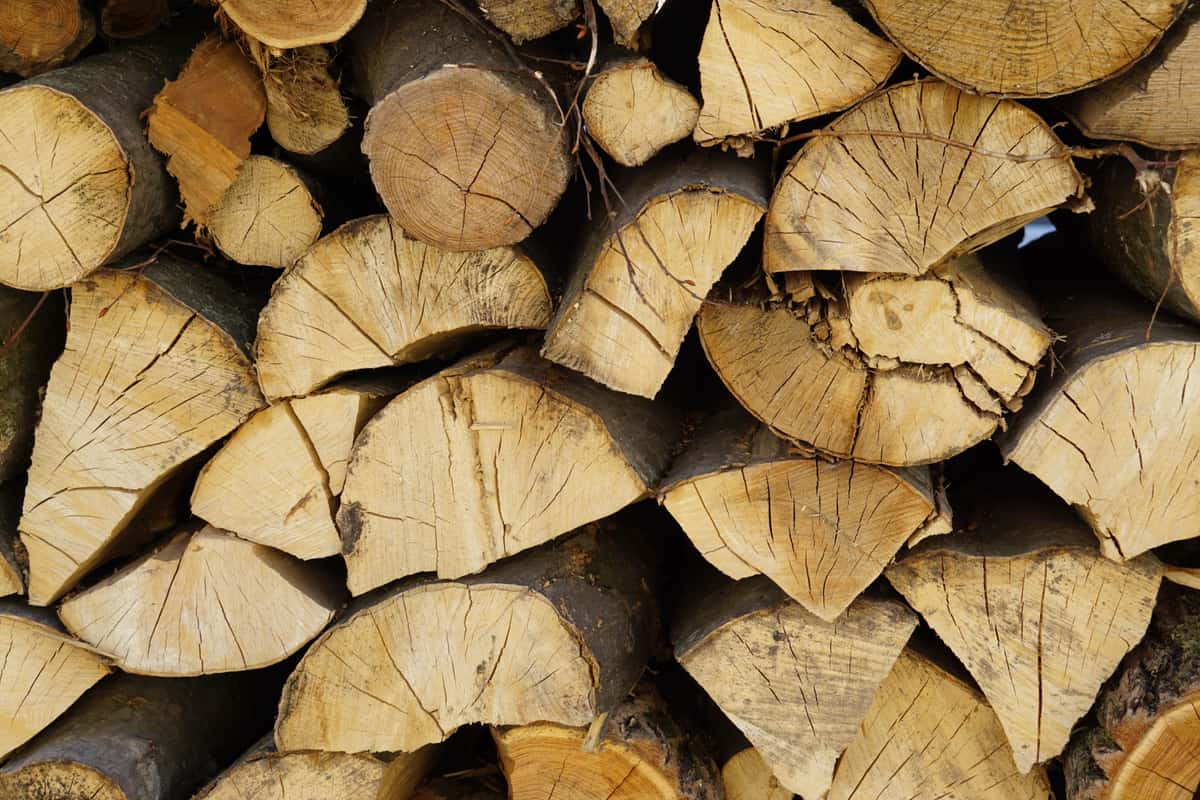
Buy kiln-dried hardwood at under about 20 percent moisture, cut to roughly finger-to-wrist thickness. Moisture content is the single variable that most affects how your oven behaves; piece size is second. Species matters far less than either, and at a 90-second bake it is close to irrelevant.
Moisture is the whole argument
Wood that still holds water spends its energy boiling that water off before it can heat anything. The practical symptoms are unmistakable once you know them: the fire is hard to establish, the chamber will not climb past a disappointing plateau, and the smoke is thick, white and acrid rather than thin and blue.
That acrid smoke is also the one that genuinely taints food. The pleasant version of wood-fired character comes from a clean, hot fire; the unpleasant version comes from a smoldering wet one. Almost every complaint about wood-fired pizza tasting "like a bonfire" traces back to this.
Kiln-dried stock is typically sold at under 20 percent moisture, and that is the specification to buy on. Seasoned wood — air-dried outdoors for a year or more — can be just as good and is far more variable, because it depends entirely on how it was stored.
Size: these fireboxes are tiny
This surprises people who have owned a fireplace. The fuel tray in an Ooni Karu 2 is a few inches across. A Gozney Roccbox's wood burner is smaller still. Split logs do not fit, and forcing one in blocks the airflow the fire needs.
Aim for pieces roughly finger to wrist thickness and six to eight inches long. That is genuinely different stock from firewood, which is why wood sold specifically for pizza ovens costs more per pound — you are paying for the cutting, not for a marketing story. Pellets and cooking wood compared covers what to actually buy, and which ovens take which fuel.
How much you actually need
More than first-time buyers expect, because the fire has two phases with very different appetites. Bringing a cold oven up to temperature consumes the bulk of it; holding temperature while you cook consumes surprisingly little, as long as you keep feeding steadily rather than letting the fire collapse and rebuilding it.
The practical advice is to have visibly more wood than you think you need, split small, within arm's reach before you light anything. Running out mid-session means the chamber cools while you go and find more, and a cooled stone is a slow recovery — the same problem covered in how hot a pizza oven should be.
Species, briefly
Hardwoods — oak, beech, ash, maple, and fruit woods like apple and cherry — burn hotter and longer per piece than softwoods and produce less resinous smoke. That is the entire case, and it is a real one.
What is not real is the idea that a specific hardwood imparts a signature flavor to a 90-second pizza. As covered in wood vs charcoal vs gas, smoke penetration at that bake time is negligible. Buy on dryness and size; treat species as a tiebreaker.
Storing it
Dry wood that gets rained on stops being dry wood, and reabsorbs moisture faster than it lost it. Keep it off the ground, under cover, with air movement around it — a rack against a wall under an overhang is ideal, a sealed plastic bin is not, because trapped humidity has nowhere to go.
Bring the evening's wood inside a few hours beforehand if the weather has been damp. Cold, slightly damp surface wood is noticeably harder to light than the same wood at room temperature.
How these picks were made
We did not cook on these ovens. Every figure on this page is the maker’s or the listing’s published specification, cited on each write-up so you can check it in one click. The ranking comes from matching those published capabilities to a stated use case — space, pizza size, fuel, and how many pizzas you cook in a row. Where a maker does not publish a number, we say so instead of estimating one.
The full version of that argument, including what we deliberately do not claim, is on our methodology page.