Wood-fired and multi-fuel
The best wood pellets for a pizza oven
Start with an awkward fact: most pizza ovens do not burn pellets at all. Buying the wrong fuel for your oven is the most common mistake in this corner of the category.
The short answer
Check your oven first. A Ninja Woodfire burns pellets — about half a cup per cook — and so do pellet-fed ovens like the Ooni Fyra. The Ooni Karu 2, Karu 2 Pro, Gozney Roccbox and Bertello burn wood and charcoal, not pellets. If yours takes pellets, buy a small resealable bag rather than a 20 lb sack. If it burns wood, you want short kiln-dried pieces instead.
This page exists because the search that brings people here is usually asked by somebody who has not yet checked which fuel their oven takes — and because the obvious purchase, a 20 lb bag of BBQ pellets, is the wrong one for almost every pizza oven.
Which ovens take pellets, and which do not
Pellet-fed ovens have a hopper or a small fuel tray sized for compressed pellets. The Ooni Fyra is the best-known example. Pellets are the only fuel these take and there is no alternative.
The Ninja Woodfire is a different case again, and the one most readers here actually own. It is a 700 F electric oven — the heat is electrical — and the pellets are there purely for smoke. Ninja publishes the quantity: half a cup of pellets per cook. That is a genuinely tiny amount, and it is the single most important number on this page, because it is what makes a 20 lb sack an absurd purchase. The Woodfire review covers the rest of the oven.
Wood and charcoal ovens do not take pellets. The Ooni Karu 2 and Karu 2 Pro, the Gozney Roccbox and the Bertello line all burn split wood or charcoal in a firebox. Pellets poured into one of these burn far too fast and produce ash rather than sustained heat. If this is your oven, skip to the cooking wood below.
How we judged these, before the ranking
We have not burned any of these. This site does not claim hands-on testing anywhere, and pellets are no exception. What we compared is what each maker publishes, and in this corner of the market that is unusually thin, so the criteria are correspondingly simple:
- Bag size against actual consumption. This is the criterion that decides the page. An oven burning half a cup at a time has a storage problem, not a supply problem.
- What the maker publishes about composition — whether the named wood is the whole pellet or a flavoring over a cheaper base.
- Whether the product is sized for a pizza oven at all, as opposed to a grill product that happens to work.
The thing pellet makers do not advertise
A bag labeled hickory is not necessarily hickory. Most BBQ pellets are built on a base of a cheaper, denser hardwood — usually oak or alder — with the named flavor wood blended in. That is not fraud and it is not a secret, but it is rarely on the front of the bag.
Bear Mountain says so themselves, on their own website: typically BBQ pellets are 100 percent natural hardwood, but that does not necessarily mean the pellets are 100 percent of the type of wood listed on the bag. That is an unusually candid thing for a maker to publish about its own category, and it is the reason Bear Mountain is on this page.
Lumber Jack takes the other approach and sells single-species bags — 100% Oak, 100% Hickory, 100% Cherry — as separate products alongside its blends. If the species genuinely matters to you, that is the distinction to buy on.
The honest footnote: at a 90-second pizza bake, none of this is likely to be detectable. Smoke flavor is a function of time in smoke, and a pizza is in the oven for barely longer than a minute. Our fuel comparison makes the same argument about wood generally, and it applies with more force to half a cup of pellets. Buy the species you like the idea of; do not expect to taste the difference.
Quick picks
Ranked for fit, not for hype. Every figure below is the maker’s own published number, and “n/p” means they do not publish it — which is itself worth knowing. Tap a row for the full write-up, or go straight to the listing.
| # | Oven | Best for | Max pizza | Weight | Price |
|---|---|---|---|---|---|
| 1 |  Kona Pizza Blend, 2 lbThe right bag size for the job. | A pellet oven you use occasionally | n/p | 2 lb | $15.95 · Check on Amazon |
| 2 | 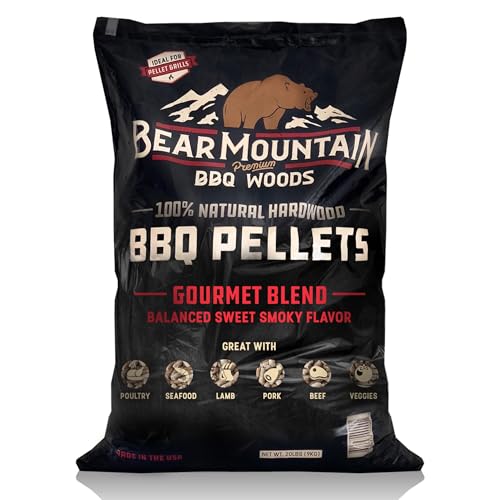 Bear Mountain Gourmet, 20 lbThe value option, and the brand whose own website is unusually straight about what a flavored pellet actually contains. | Buying fuel by the sack | n/p | 20 lb | $22.99 · Check on Amazon |
| 3 |  Lumber Jack Competition, 20 lbThe pellet to buy if the species matters to you, because Lumber Jack sells single-species bags at 100 percent of the... | Knowing exactly which woods you bought | n/p | 20 lb | $26.45 · Check on Amazon-15% |
| 4 |  FiveOaks mini oak, 5 inThe correct answer for a Karu, a Roccbox or a Bertello, none of which take pellets. | Ovens that burn wood, not pellets | n/p | 14 lb | $36.99 · Check on Amazon |
Max pizza and weight are the makers’ published figures, sourced on each write-up below. Neither is a measurement we took, and no column here is a score — we have not cooked on these ovens and will not pretend otherwise.
Top pick · A pellet oven you use occasionally
Kona Wood Pellets Pizza Blend, 2 lb Resealable Bag
Kona · Accessory
The right bag size for the job. A pellet-fed pizza oven burns a few handfuls per session and a Ninja Woodfire wants half a cup, so 2 lb resealable is a season of cooking rather than a storage problem.
Published specification
- Bag size
- 2 lb, resealable
- Listed for
- Ooni and Big Horn pellet pizza ovens, per the listing title
- Species
- Sold as a pizza blend. Kona does not publish a species breakdown for this bag
What it does well
- 2 lb is the honest quantity for this use. The alternative on the shelf is a 20 lb sack sized for a smoker that runs for eight hours
- Resealable, which matters more than it sounds: pellets are compressed sawdust and they disintegrate into unusable powder once they take on damp
- Cheap enough to keep a spare bag without thinking about it
What you give up
- The species blend is not published, so you cannot compare it against a named-wood pellet on paper
- Cost per pound is several times a 20 lb bag's. You are paying for the packaging size, and if you own a pellet smoker as well that is money wasted
- The listing names Ooni and Big Horn pellet ovens. Neither the Karu 2 nor the Karu 2 Pro on this site burns pellets, so check your own oven before buying
Buy it if
A Ninja Woodfire owner, or anyone with a pellet-fed oven who cooks a handful of times a season and does not also run a pellet smoker.
Skip it if
Anyone cooking weekly, or anyone already keeping 20 lb bags for a smoker — burn from that sack instead.
Where these numbers came from
Pick 2 · Buying fuel by the sack
Bear Mountain All Natural Gourmet Blend Wood Pellets, 20 lb
Bear Mountain · Accessory
The value option, and the brand whose own website is unusually straight about what a flavored pellet actually contains. If you cook often enough to finish 20 lb, this is the sensible shelf.
Published specification
- Bag size
- 20 lb. A 40 lb bag and a 2-pack are separate listings
- Composition
- All-natural hardwood, no flavorings, fillers or additives, per Bear Mountain
- Blend
- Gourmet Blend — a multi-species blend rather than a single named wood
What it does well
- Cost per pound is a fraction of a 2 lb specialty bag, and a pizza oven uses so little per session that one sack lasts a very long time
- Bear Mountain's own site states plainly that a pellet being 100 percent natural hardwood does not necessarily mean the pellets are 100 percent of the wood named on the bag — candor almost nobody else in the category offers
- Widely stocked, so re-buying does not become a hunt
What you give up
- A 20 lb sack is a storage problem for an oven that burns half a cup at a time. Pellets absorb moisture and crumble, so you need a sealed container, not the bag
- A blend, so you cannot attribute a flavor to a species — and at a 90-second bake you would not detect it anyway
- It is a smoker and grill pellet that happens to work, not a pellet designed around a pizza oven's very small burn
Buy it if
Anyone who already runs a pellet grill or smoker, or who cooks in a pellet-fed oven often enough to get through the bag within a year.
Skip it if
The occasional cook with nowhere dry to keep 20 lb of compressed sawdust.
Where these numbers came from
Pick 3 · Knowing exactly which woods you bought
Lumber Jack Competition Blend Maple-Hickory-Cherry BBQ Pellets, 20 lb
Lumber Jack · Accessory
The pellet to buy if the species matters to you, because Lumber Jack sells single-species bags at 100 percent of the named wood alongside this blend. That is the whole point of difference in this category.
Published specification
- Bag size
- 20 lb. A 40 lb bag is a separate listing
- Blend
- Maple, hickory and cherry
- Range
- Lumber Jack also lists 100% Oak, 100% Hickory and 100% Cherry as separate products
What it does well
- Lumber Jack publishes single-species pellets — 100% Oak, 100% Hickory, 100% Cherry — as distinct products, so the named wood on the bag is the wood in the bag rather than a flavoring over a cheaper base
- Maple, hickory and cherry is a mild, unaggressive combination, which is the right direction for pizza where you do not want a smoked-brisket note
- Same low cost per pound as any 20 lb sack
What you give up
- The same 20 lb storage problem as any grill-sized bag, and worse if you are buying it purely for a pizza oven
- Built and marketed for competition BBQ smoking over hours. A 90-second pizza bake will not resolve the difference between this and a cheaper blend
- Lumber Jack does not publish a moisture content figure, which is the specification that actually predicts how a pellet burns
Buy it if
Someone who wants the named species to be real, and who has a smoker or grill to use the rest of the bag in.
Skip it if
A pizza-oven-only household. You will not finish it, and you will not taste it.
Where these numbers came from
Pick 4 · Ovens that burn wood, not pellets
FiveOaks Kiln Dried Oak Pizza Oven Wood, Mini 5 Inch
FiveOaks Firewood · Accessory
The correct answer for a Karu, a Roccbox or a Bertello, none of which take pellets. Small, kiln-dried, and cut short enough to actually fit a portable oven's firebox — which ordinary firewood is not.
Published specification
- Piece length
- Approximately 5 in, sized for portable oven fireboxes
- Quantity
- Approximately 14 lb, listed as 1,000 cubic inches
- Species and drying
- Kiln-dried oak, listed as a product of the USA
What it does well
- 5 in pieces are the specification that matters. A portable oven's firebox will not take standard 16 in firewood, and splitting it down yourself is the reason most people give up on wood
- Kiln-dried rather than seasoned, which is the moisture question our wood guide argues matters more than the species on the label
- Oak is dense, so it burns longer per piece than a softer hardwood and needs feeding less often
What you give up
- Cost per pound is far above local firewood. You are paying for kiln drying and for somebody else cutting it short. With a saw and a dry stack you do not need this at all
- 14 lb is not much wood. Expect a handful of cooking sessions, not a season
- Useless for the Ninja Woodfire and any other pellet-fed oven, which is the more common case among readers arriving from a pellet search
Buy it if
An Ooni Karu, Gozney Roccbox or Bertello owner without a saw, a woodpile or the patience for either.
Skip it if
Anyone with access to properly seasoned local hardwood and a way to cut it short, or anyone whose oven burns pellets.
Where these numbers came from
The storage problem nobody mentions
Pellets are compressed sawdust held together by the wood's own lignin, not by glue. That is what makes them clean-burning, and it is also their weakness: they absorb atmospheric moisture and swell, then crumble into powder that will not feed through a hopper and will not light properly.
A bag left open in a garage over a damp winter is frequently ruined. If you buy 20 lb, decant it into a sealed container with the lid actually closed — not the bag with the top rolled over. This is the real argument for the 2 lb resealable option for anybody cooking occasionally: you are buying less fuel and much less risk of throwing fuel away.
If your oven burns wood, not pellets
You need small pieces, and that is the specification that matters far more than the species.
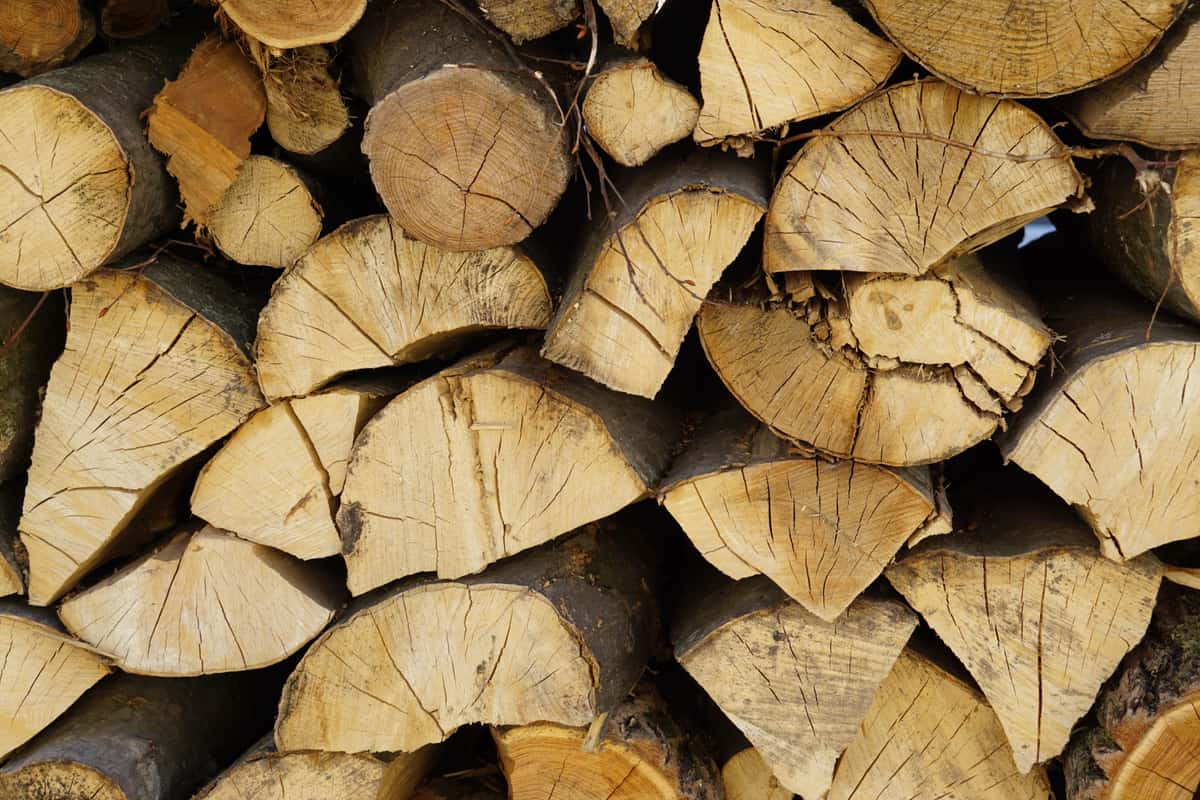
A portable oven's firebox is a few inches across. Standard 16 in firewood does not fit, and splitting it down yourself is the point at which most people quietly give up on wood cooking. Cooking wood sold in roughly 5 to 6 in pieces exists specifically to solve that, and it is the single reason it is worth paying a premium over a local woodpile.
The other variable is moisture. Kiln-dried beats seasoned, and both beat whatever has been sitting under a tarp — wet wood spends its energy boiling off water instead of making heat, produces acrid smoke and will not get an oven to temperature. Choosing wood for a pizza oven argues in full that moisture and piece size decide almost everything, and the species on the label decides almost nothing.
What we would actually buy
- Ninja Woodfire owner, cooking occasionally — the 2 lb resealable bag. At half a cup per cook it will last a very long time, and it will not be ruined by damp first.
- Pellet oven owner cooking most weeks, or you already own a pellet smoker — a 20 lb bag, decanted into a sealed container. The cost per pound is a fraction of the small bags.
- You want the named species to be real — Lumber Jack, which publishes single-species bags rather than only blends.
- Karu, Roccbox or Bertello owner — not pellets at all. Short kiln-dried hardwood, and read the wood guide first.
How these picks were made
We did not cook on these ovens. Every figure on this page is the maker’s or the listing’s published specification, cited on each write-up so you can check it in one click. The ranking comes from matching those published capabilities to a stated use case — space, pizza size, fuel, and how many pizzas you cook in a row. Where a maker does not publish a number, we say so instead of estimating one.
The full version of that argument, including what we deliberately do not claim, is on our methodology page.
Questions people actually ask
+Can you use wood pellets in an Ooni Karu?
+How many pellets does a pizza oven use?
+Are pizza oven pellets different from BBQ pellets?
+Do wood pellets actually add flavor to pizza?
+How should you store wood pellets?
+What wood is best for a pizza oven?
Sources for this page