Indoor and electric ovens
Chefman High-Heat Indoor Pizza Oven: the cheapest 800 F in the category
Eight hundred degrees on a kitchen counter, from the lightest oven in the category, with a stone and a peel already in the box. What it does not publish about that stone is the part you have to decide about.
The short answer
Buy the Chefman if you want the highest published indoor peak per dollar and can live with an unpublished stone. It states 800 F, a 300 F floor, 1,700 W, 23.32 lb and a 12 in capacity, and it ships a stone and a peel. It does not publish stone thickness, preheat time or recovery — and at this price that omission is the trade rather than a scandal.
Chefman is not a pizza company. It is a countertop appliance brand, and this is a countertop appliance that happens to reach a temperature the rest of its own catalog does not. That framing explains both what is good about it and what is missing.
What Chefman publishes
| Specification | Published figure |
|---|---|
| Temperature range | 300 F to 800 F (150 C to 425 C) |
| Power | 1,700 W at 120 V |
| Max pizza | 12 in (30 cm) |
| Dimensions | 18.7 x 17 x 10.94 in |
| Weight | 23.32 lb |
| Elements | Dual, top and bottom, independently usable |
| Presets | Neapolitan, New York, Thin Crust, Pan, Frozen, Manual |
| Model | RJ25-PO12-SS |
| Certification | cETL approved, one-year assurance |
| In the box | Pizza stone and pizza peel |
| Stone thickness | Not published |
| Stone material | Not published |
| Preheat time | Not published |
From Chefman's own product page, except where noted.
Eight hundred degrees is the number that buys the oven
Among the electric ovens on this site, 800 F sits second — above the Breville Pizzaiolo's 750 F and the Cuisinart's 700 F, below the Ooni Volt 2's 850 F. It is 250 to 300 F above what a domestic oven can do, and that gap is the entire reason a countertop pizza oven exists at all.
| Oven | Published peak | Published low | Weight |
|---|---|---|---|
| Ooni Volt 2 | 850 F | 70 F | 38.8 lb |
| Chefman Indoor 800 | 800 F | 300 F | 23.32 lb |
| Breville Pizzaiolo | 750 F | not published | not published |
| Ninja Artisan MO201 | 700 F | 90 F | 30.83 lb |
| Cuisinart CPZ-120 | 700 F | 350 F | 25 lb |
Published peak temperature, electric ovens on this site.
At 800 F you are in genuine pizza-oven territory for New York and thin crust, and at the very edge of Neapolitan. The 50 F the Volt 2 has over it is the difference between a bake that chars the rim and one that browns it — real, and smaller than the price gap between them.
It publishes a fuller sheet than its price suggests
The 300 F floor is not unusual in this category — the Ooni Volt 2 publishes 70 F and the Cuisinart 350 F — but the fact that Chefman publishes a range at all, along with a model number, a current rating, external dimensions and a weight to two decimal places, is more than a budget appliance brand has to do. Most of what is missing from this sheet is missing from the more expensive sheets too.
The 300 F floor does buy one specific thing: a Frozen preset, which only the Breville Pizzaiolo also offers here. Pizza oven vs regular oven makes the point that a frozen pizza is formulated for 400 to 425 F and is ruined at 950 F — an oven that can go down to 300 F simply does both jobs, and most of this category cannot.
Weight, and why 23 pounds is a specification
At 23.32 lb this is the lightest oven in the indoor category that publishes a weight, and the difference is not trivial: the Ooni Volt 2 is 38.8 lb and the Ninja Artisan is 30.83 lb.
A countertop oven 15 lb lighter than the Volt 2 is one you will actually lift into a cupboard between sessions rather than surrender a permanent slab of worktop to. For a small kitchen that is a real argument, and it is one the heavier ovens here cannot answer.
Quick picks
Ranked for fit, not for hype. Every figure below is the maker’s own published number, and “n/p” means they do not publish it — which is itself worth knowing. Tap a row for the full write-up, or go straight to the listing.
| # | Oven | Best for | Max pizza | Weight | Price |
|---|---|---|---|---|---|
| 1 |  Chefman Indoor 800A 12 in countertop oven that publishes an 800 F peak, a 300 F low end and a 1,700 W draw. | Entry-level countertop oven with published specs | 12" | 23.32 lb | $199.98 · Check on Amazon-60% |
Max pizza and weight are the makers’ published figures, sourced on each write-up below. Neither is a measurement we took, and no column here is a score — we have not cooked on these ovens and will not pretend otherwise.
Top pick · Entry-level countertop oven with published specs
Chefman High-Heat Indoor Electric Pizza Oven 800°F
Chefman · Electric
A 12 in countertop oven that publishes an 800 F peak, a 300 F low end and a 1,700 W draw. It publishes less than the Volt 2 about how it holds heat, but between Chefman and its listing you get enough numbers to check it.
Published specification
- Max temperature
- 800 F; published range 300 F to 800 F
- Max pizza
- 12 in
- Power
- 1,700 W at 120 V, per the Amazon listing. Chefman's own product page does not state a wattage
- Size
- 18.7" x 17" x 10.94"
- Weight
- 23.32 lb
- Presets
- Neapolitan, New York, Thin Crust, Pan and Frozen, plus Manual
- In the box
- Pizza stone and pizza peel
- Certification
- cETL approved; Chefman gives a 1-year assurance
What it does well
- Publishes a 300 F low end as well as the 800 F peak, so pan and frozen pizza are in range rather than only a fast bake
- A stone and a peel in the box, which removes the first accessory purchase
- At 23.32 lb it is the lightest oven on its roundup that publishes a weight
What you give up
- No published stone thickness and no published preheat time — the two numbers that predict how well it copes with consecutive pizzas
- 800 F is 50 F below the Ooni Volt 2's 850 F, which is the end of the range where a Neapolitan bake lives
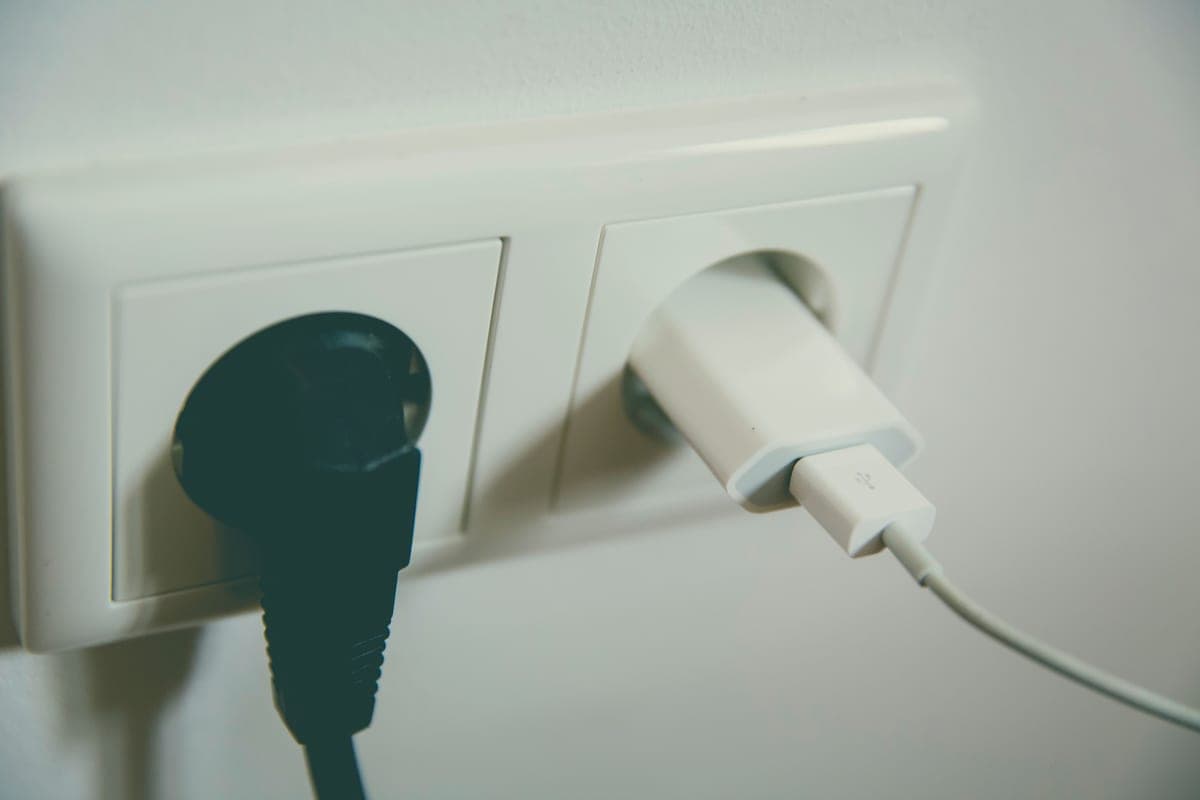
- 1,700 W is about 14.2 A at 120 V, so on a 15 A kitchen circuit it needs that circuit to itself — see power requirements
Buy it if
A kitchen that wants hotter-than-domestic pizza from a countertop oven, without stepping up to a premium model.
Skip it if
Anyone chasing a 60-second Neapolitan bake, or a kitchen where the same outlet also runs a kettle or a toaster.
1,700 watts, and what that leaves on the circuit
1,700 W at 120 V is 14.2 A. A standard kitchen circuit carries 15 A, so the oven fits with about 0.8 A spare — which is to say it fits alone and nothing else on that breaker can run with it.
That puts it in the middle of the field: better than the Cuisinart at a full 15.0 A and the Ninja Artisan at a published 15 A, worse than the Ooni Volt 2 at 13.3 A. The power requirements guide has the full table and the practical test for finding out what shares your circuit.
The honest gap: nothing is published about the stone
This site ranks ovens on four published specifications, and stone thickness is one of them, because the floor is what cooks the base and a thicker floor carries more consecutive bakes. Chefman publishes neither the thickness nor the material of the stone it ships.
That is not an accusation — plenty of good ovens publish less than they should — but it is a real blank in the specification, and it is the blank that predicts how the third pizza of the evening comes out. If consecutive pizzas are the point of the purchase, the ovens that publish a floor thickness are the ones to compare.
The one-year assurance is also the shortest cover in this category, against two years from Ooni on the Volt 2 and three from Cuisinart on the CPZ-120.
What we cannot tell you
We have not used this oven. Unresolved by anything Chefman publishes: stone thickness and material, preheat time, recovery between pizzas, how accurate the presets are, and whether 800 F is measured at the stone or in the air. Those are the questions that separate a good 800 F oven from a nominal one, and they are not answerable from a specification sheet.
How these picks were made
We did not cook on these ovens. Every figure on this page is the maker’s or the listing’s published specification, cited on each write-up so you can check it in one click. The ranking comes from matching those published capabilities to a stated use case — space, pizza size, fuel, and how many pizzas you cook in a row. Where a maker does not publish a number, we say so instead of estimating one.
The full version of that argument, including what we deliberately do not claim, is on our methodology page.
Questions people actually ask
+How hot does the Chefman pizza oven get?
+Does the Chefman indoor pizza oven come with a stone?
+Can the Chefman do frozen pizza?
+Will the Chefman trip a kitchen breaker?
+Chefman or Ooni Volt 2?
Sources for this page